Antelope Canyon from Phoenix: The Honest Day-Trip Math
Nine hours of driving around a one-hour canyon walk. That is the Phoenix day trip stripped to its bones, and it can work. But run the numbers before you commit, because the overnight version is a far better trip for almost everyone.
 Written with Daniel Begay, Navajo guide & Southwest canyon specialist
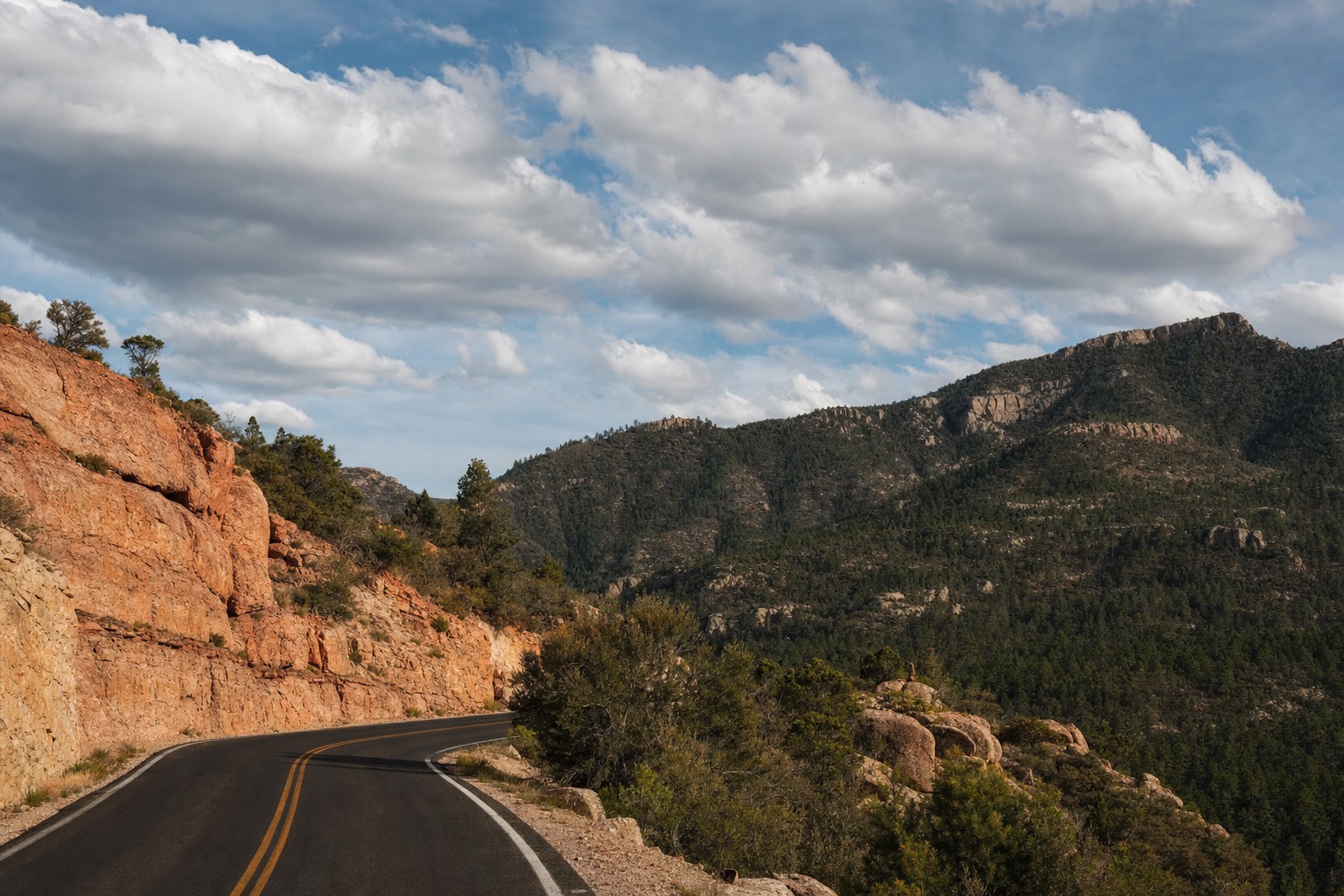
Short answer
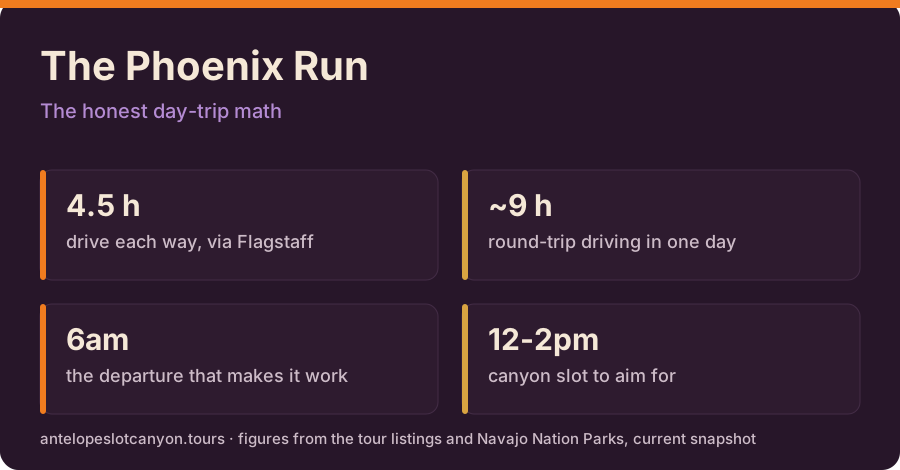
Antelope Canyon is about 4.5 hours from Phoenix each way, via I-17 to Flagstaff and US-89 north to Page. A single-day round trip is feasible with a midday entry slot booked well ahead, but roughly nine hours of driving makes an overnight in Page the smarter play.
Guests on my Monument Valley tours who started in Phoenix all tell a version of the same story: they underestimated Arizona. On a map the state looks compact. On the road, Phoenix to Page crosses from saguaro desert up through Flagstaff's pines and back down into red-rock country, and the miles are honest ones. As a Navajo guide I love that drive, but I also tell people plainly that the canyon at the end runs on a reservation system that does not forgive sloppy timing. Here is the real math.
How long is the drive from Phoenix to Antelope Canyon?
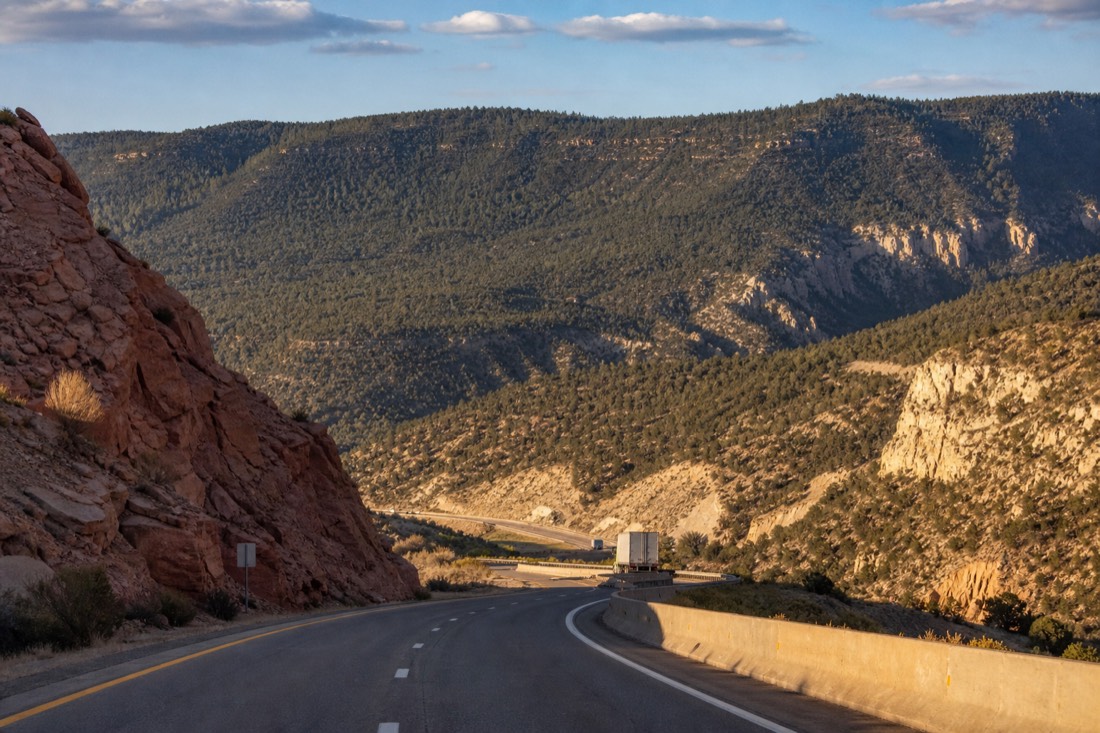
Plan on about 4.5 hours each way. The standard route runs I-17 north to Flagstaff, then US-89 north past Cameron and the Vermilion Cliffs country into Page. Add stops and holiday traffic and many drivers see closer to five hours door to door, so a round trip consumes roughly nine driving hours.
The route itself is simple, which is its one mercy. You climb almost a mile in elevation between Phoenix and Flagstaff, and in winter that matters: I-17 and Flagstaff get real snow while Phoenix sits at 70 degrees. Check conditions before a cold-season run.
North of Flagstaff, US-89 opens into the Navajo Nation, and services spread out. Cameron is the traditional stop, then it is long, beautiful emptiness to Page. Fuel in Flagstaff regardless of your gauge reading.
The kicker is the clock. Access to every section of the canyon is guided-only through operators authorized by Navajo Nation Parks and Recreation, with a $15 per person tribal permit in the mix, and your entry time is fixed when you book. Arizona skips daylight saving while the Navajo Nation observes it, so in summer, clocks an hour apart coexist within a few miles of Page. Confirm the operator's time zone in your confirmation email, and treat your arrival deadline as 45-60 minutes before the entry hour.
Can you really do Antelope Canyon as a day trip from Phoenix?
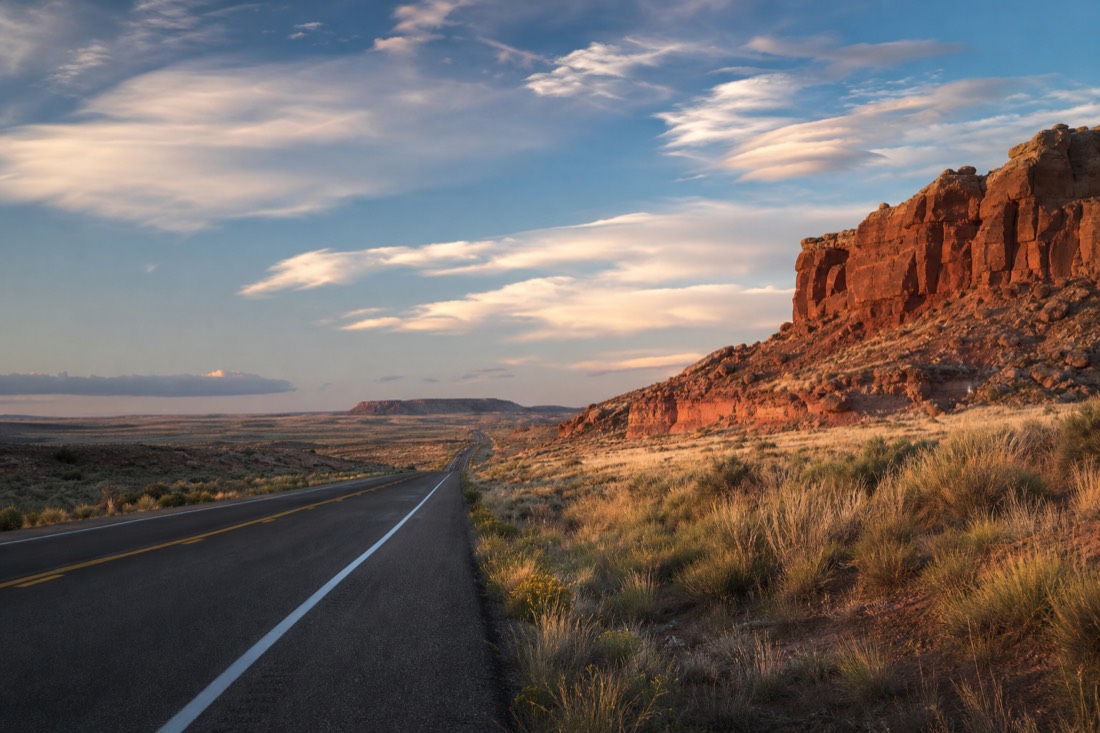
Yes, it is feasible, and people do it every week. A workable single-day plan leaves Phoenix by about 6 a.m., books a canyon slot between roughly 12 and 2 p.m., and accepts getting home around 9 or 10 at night. It works. It is also a grind, and it leaves zero margin for problems.
Here is a timing plan that actually closes:
| Time (Page clock) | Move |
|---|---|
| 6:00 a.m. | Leave Phoenix, fueled, coffee handled |
| 8:15 a.m. | Quick Flagstaff stop, check US-89 conditions |
| 10:45 a.m. | Arrive Page with buffer in hand |
| 11:15 a.m. | Check in for a midday entry slot |
| 12:00-1:30 p.m. | Navajo-guided canyon walk |
| 2:00-3:00 p.m. | Late lunch, optional quick Horseshoe Bend stop |
| 3:00-7:45 p.m. | Drive home, dinner stop in Flagstaff |
Notice what this plan does not include: a missed alarm, a road closure, an entry slot that sold out because you booked late. Slots in the popular midday window are the first to go, and travelers report booking months ahead for peak dates. A day trip is a bet that nothing wobbles.
It also spends your best canyon hours in a car. The midday slot exists because that is when overhead light pours in, which is convenient for day-trippers, but everything else about the day is compromise. Which is why I push most people toward the next section.
Should you drive up and back, or stay overnight in Page?
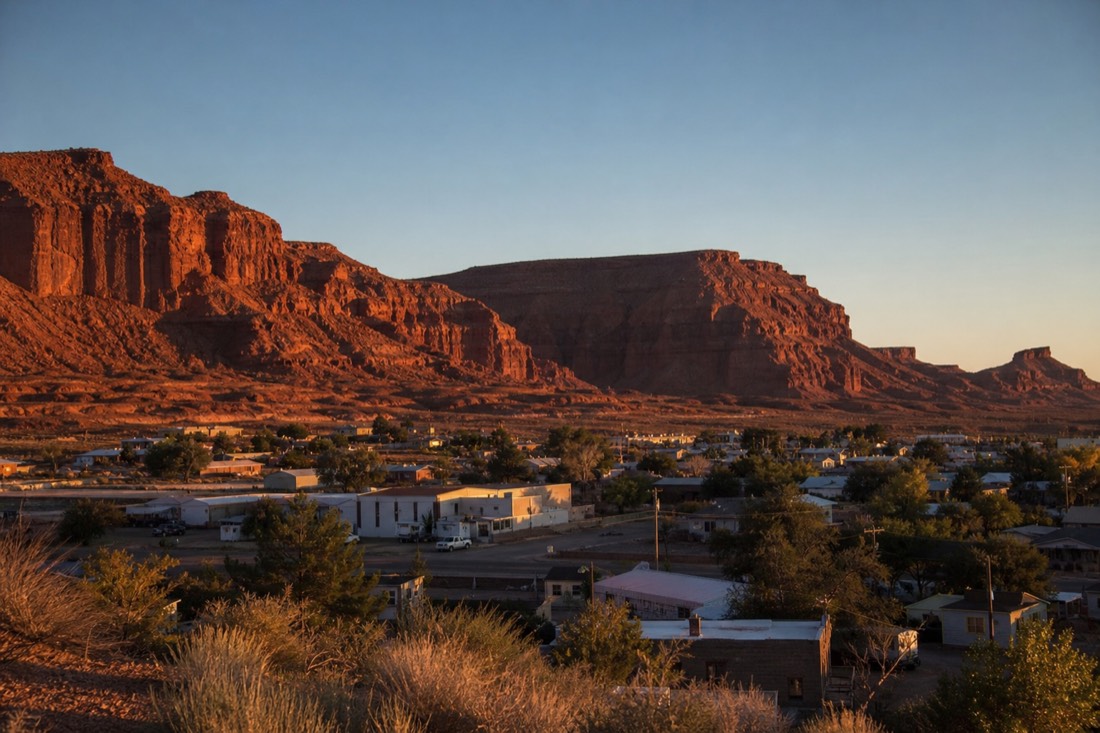
Stay overnight if you possibly can. One night in Page converts a nine-hour driving gauntlet into two easy half-days, lets you take a calmer morning canyon slot, and puts Horseshoe Bend, the Glen Canyon Dam overlook and Lake Powell on the table. The day trip saves a hotel bill and costs you the whole experience around the canyon.
The comparison, honestly laid out:
| Factor | Day trip | Overnight in Page |
|---|---|---|
| Driving pattern | ~9 h in one day | ~4.5 h on each of two days |
| Canyon slot flexibility | Locked to midday | Any slot, including quieter mornings |
| Margin for delays | Almost none | A full evening of slack |
| Extras possible | Maybe a rushed Horseshoe Bend | Horseshoe Bend, dam overlook, lake time |
| Cost difference | Fuel only | Adds one hotel night |
| Fatigue factor | Severe, one driver suffers | Mild |
Page is small and built for exactly this stopover; the where-to-stay guide walks through the hotel strip and the lakeside options. An evening arrival also means you can watch sunset over Lake Powell instead of watching your mirrors on I-17.
There is a middle path worth naming: some Phoenix travelers fold the canyon into a bigger loop, pairing it with Sedona on the way up or back. If that is your shape, the Sedona routing guide covers the northern half of that drive in detail.
Which canyon entry should Phoenix travelers book?
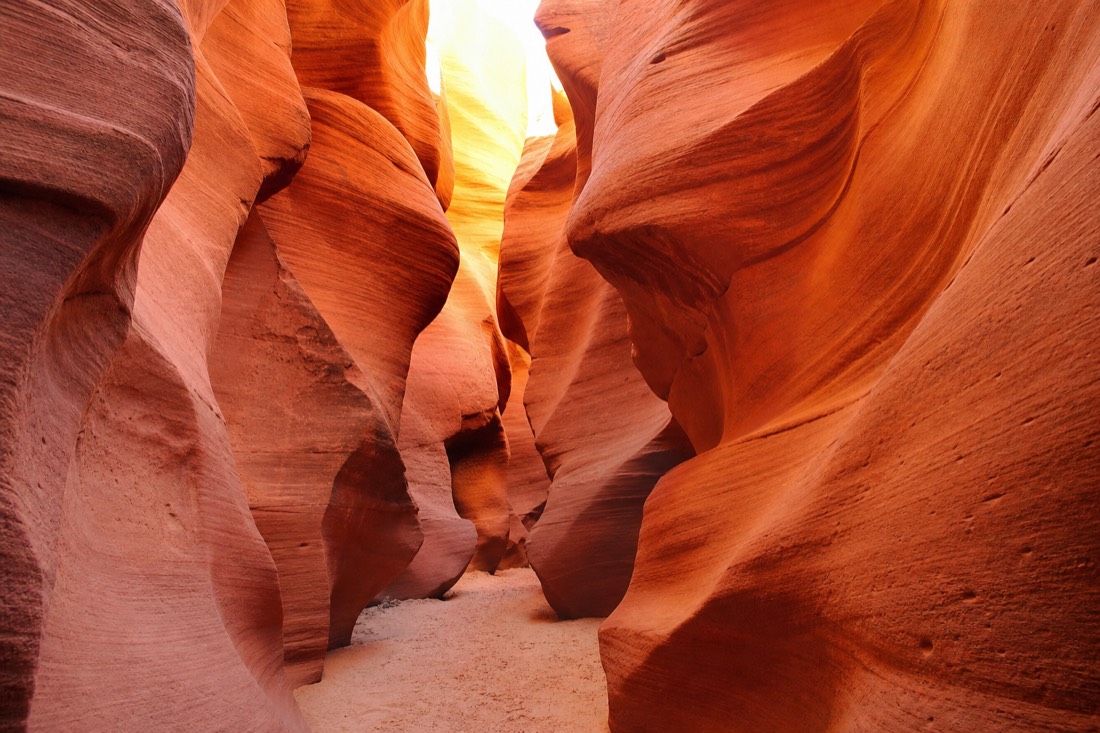
For most first-timers driving from Phoenix, Lower Antelope Canyon is the booking: about an hour inside, ladders and stairs that most fitness levels handle, and the strongest social proof of any section. Day-trippers should grab a midday slot; overnighters can take a quieter morning one.
Lower's flagship listing carries a 4.7 rating across 8,861 GetYourGuide reviews with a Top Rated badge, and recent visitors consistently describe it as the section that over-delivers on expectations. On the ground, the walks are run by the Navajo family operations at the canyon, Ken's Tours among them. If the drive math above works for you, settle the important half first: book the Lower Antelope Canyon walk and check live availability and prices on GetYourGuide. The drive plans itself around the slot, never the other way around.
Upper Antelope is the beam canyon, flatter underfoot and famous for the midday light shafts in season. Canyon X is the quieter, budget-friendlier third option that Reddit threads keep recommending for crowd-averse travelers. Cancellation depends on the exact ticket: the checked AACT Upper and Lower Viator listings allow a full refund when canceled at least 24 hours ahead. Canyon X on Viator is nonrefundable for customer cancellations, while the checked GetYourGuide Canyon X listing allows cancellation at least four days ahead. Reconfirm the chosen option at checkout.
Whichever you choose, book before you plan anything else. The canyon does not hold seats for people who drove far.
What is the best time of year for the Phoenix run?
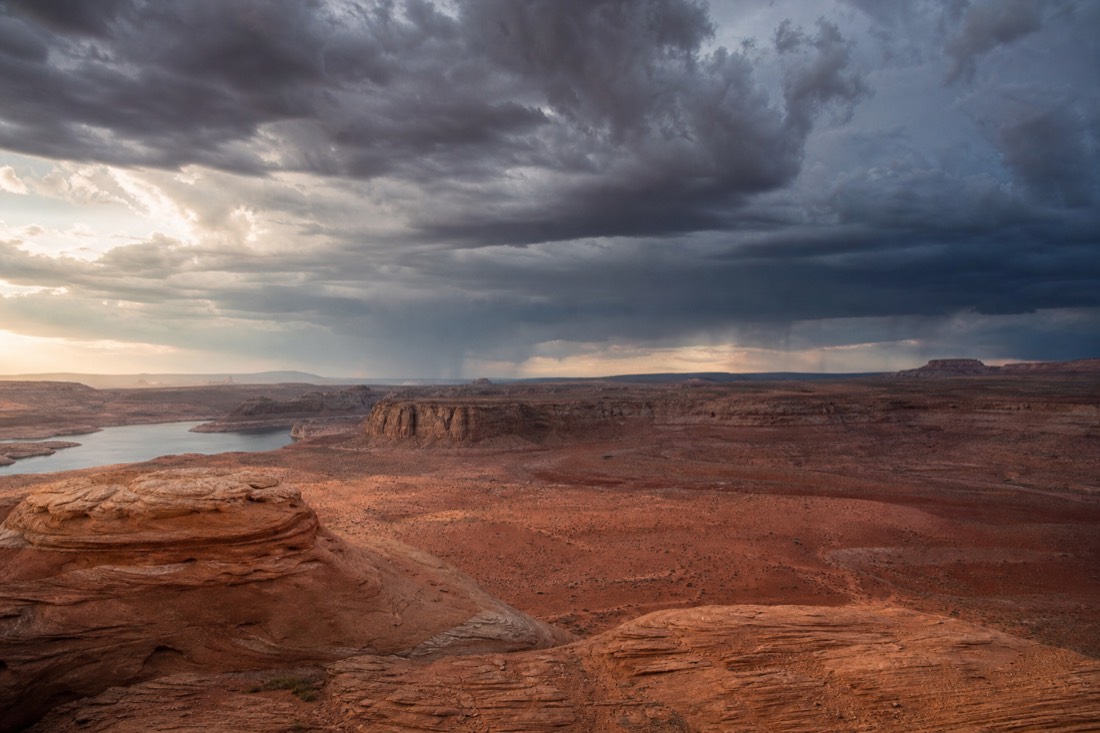
Spring and fall are the sweet spots: mild in both Phoenix and Page, full light in the canyon, manageable crowds at the edges of peak. Summer works but brings 110-degree Phoenix departures and monsoon storms that can cancel canyon entries between July and September. Winter is quiet and cheap, with snow possible around Flagstaff.
Month-by-month considerations for this specific drive:
| Season | Drive conditions | Canyon picture |
|---|---|---|
| Mar-May | Excellent, wildflowers on I-17 | Beams begin late March, crowds build |
| Jun | Hot start in Phoenix, dry roads | Long days, strong light, pre-monsoon |
| Jul-Sep | Monsoon storms possible both ends | Flash-flood cancellations happen on short notice |
| Oct | Prime, cool and clear | Beam season winds down mid-month |
| Nov-Feb | Watch Flagstaff snow and ice | Soft light, smallest crowds, lowest prices |
The monsoon deserves respect, not fear. I live with this weather on Navajo land: a storm cell miles upstream can push water through a slot canyon under a blue sky, which is why operators cancel decisively when the National Weather Service posts warnings, and refunds depend on the booked product’s terms. The 1997 flood in Lower Antelope killed 11 people, and everything about how these canyons are run today traces back to that day. If your July entry gets scrubbed, that is the system working. Build a backup afternoon around Lake Powell and take the refund gracefully. The best-time guide goes deeper on months and light.
Does the overnight in Page really cost more than the day trip?
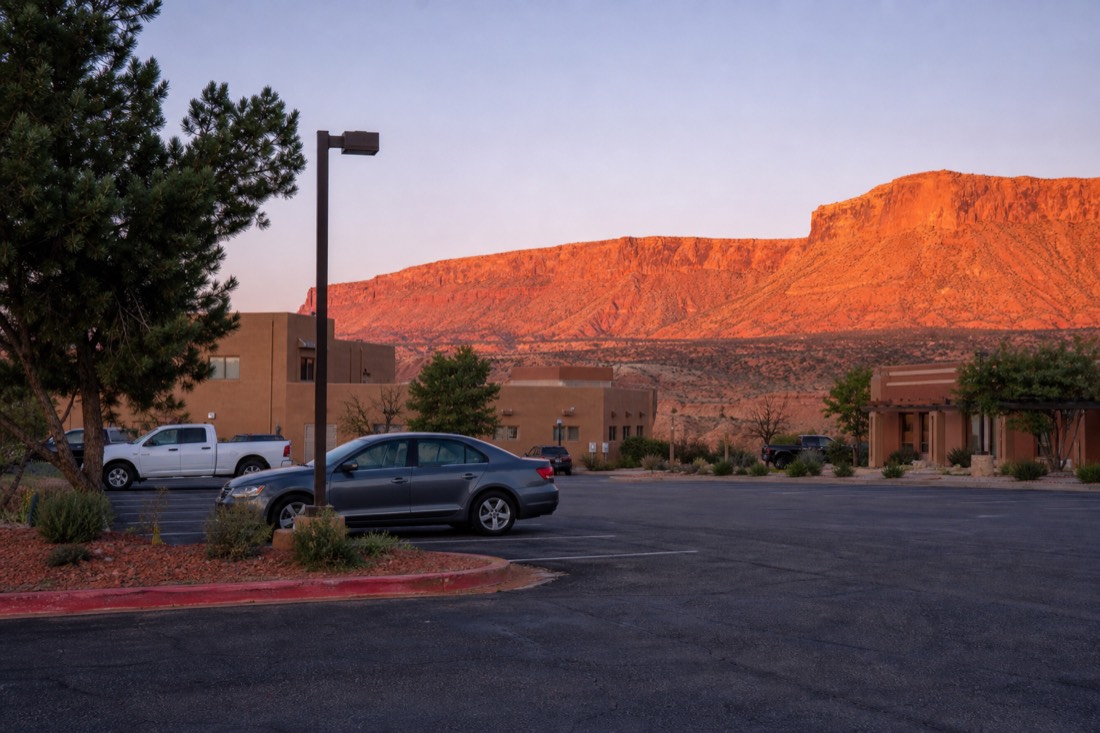
On paper the overnight adds one hotel night and one extra dinner; everything else, fuel, the canyon entry, the $15 Navajo permit, Horseshoe Bend parking, costs the same on both plans. What the day trip spends instead is roughly sixteen waking hours, one driver's alertness, and every bit of slack if weather cancels the entry.
Run the ledger honestly and the gap is narrower than most people assume, because the fixed costs of this trip do not care how many days you take. I keep the dollar figures off this table on purpose; hotel rates swing by season and the live price of the canyon entry sits on the listing. What the table shows is which line items move.
| Line item | Day trip | Overnight in Page |
|---|---|---|
| Fuel for ~9 hours of driving | Same | Same, split across two days |
| Canyon entry with a Navajo guide | Same, live price on the listing | Same |
| Navajo Nation permit | $15 per person, per location, per day | Same |
| Horseshoe Bend parking | Per vehicle, if you squeeze it in | Per vehicle, at a calm hour |
| Lodging | None | One night, flexible rate in monsoon season |
| Meals | Lunch on the road, dinner at home | Adds a Page dinner and breakfast |
| Waking hours committed | About sixteen, most of them in a car | Two easy half-days |
| Exposure if a monsoon storm cancels the entry | Nine hours of driving for nothing, refund for the tour only | Refund, sleep, try the next morning |
| Slot choice | Midday only | Any, including the calmer mornings |
That last pair of rows is the real argument. Operators cancel decisively when the National Weather Service posts flash-flood watches, and refunds depend on the booked product’s terms, but a refund does not give a day-tripper back the drive. An overnighter shifts a night and walks the canyon tomorrow. Between July and September that difference alone is worth the room. Outside monsoon season the case is softer, and the tickets and cost guide totals both versions with the permit and parking folded in.
Where should you stop between Flagstaff and Page on US-89?
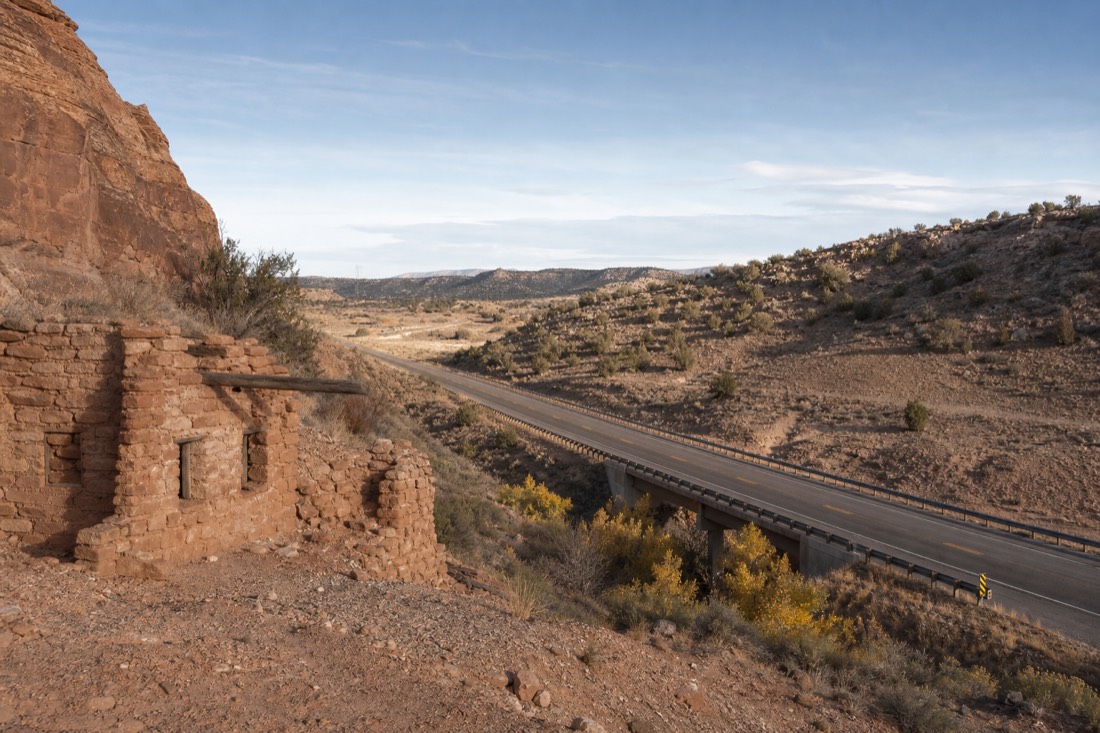
Fuel and eat in Flagstaff, stretch at Cameron Trading Post about fifty minutes north, then treat the remaining seventy-five-odd minutes to Page as one uninterrupted leg. Horseshoe Bend sits just south of town on the same highway, so it can be a stop on the way in or out without any detour.
North of Flagstaff, US-89 drops off the plateau and onto the Navajo Nation, and the stops thin out to a short list. That is not a complaint; the emptiness is most of the drive's beauty. It just means you plan the stops rather than discover them.
| Stop | Where on the run | What it is for | Allowance |
|---|---|---|---|
| Flagstaff | Where I-17 ends and US-89 begins | Fuel to full, food, restrooms, the last big-town services | 15-30 min |
| Cameron Trading Post | About 50 minutes north of Flagstaff | Frybread, restrooms, Navajo arts, a real leg stretch on the Little Colorado | 15-20 min |
| The US-89A fork | North of Cameron | Stay on US-89 for Page; the 89A branch heads toward the North Rim country instead | No stop, just the right turn |
| Echo Cliffs stretch | The long empty miles before Page | Photos from pullouts; no services to count on | 10 min if the light is good |
| Horseshoe Bend | Just south of Page on US-89 | The overlook, city parking fee per vehicle, short sandy walk | About an hour |
| Page | Arrival | Check-in desks 45-60 minutes before your entry | Buffer, not a stop |
Two things I would say as someone who drives Navajo Nation highways for work. Cameron is worth the stop even if you are not hungry, because it is the last easy restroom and the trading post has been a crossroads for reservation families for generations; treat it as a place, not a rest area. And the highway itself carries livestock and local traffic, so hold your speed honest and skip the temptation to make up time on the empty stretch. The things-to-do guide picks up the stops once you reach town.
When should you leave Phoenix, season by season?
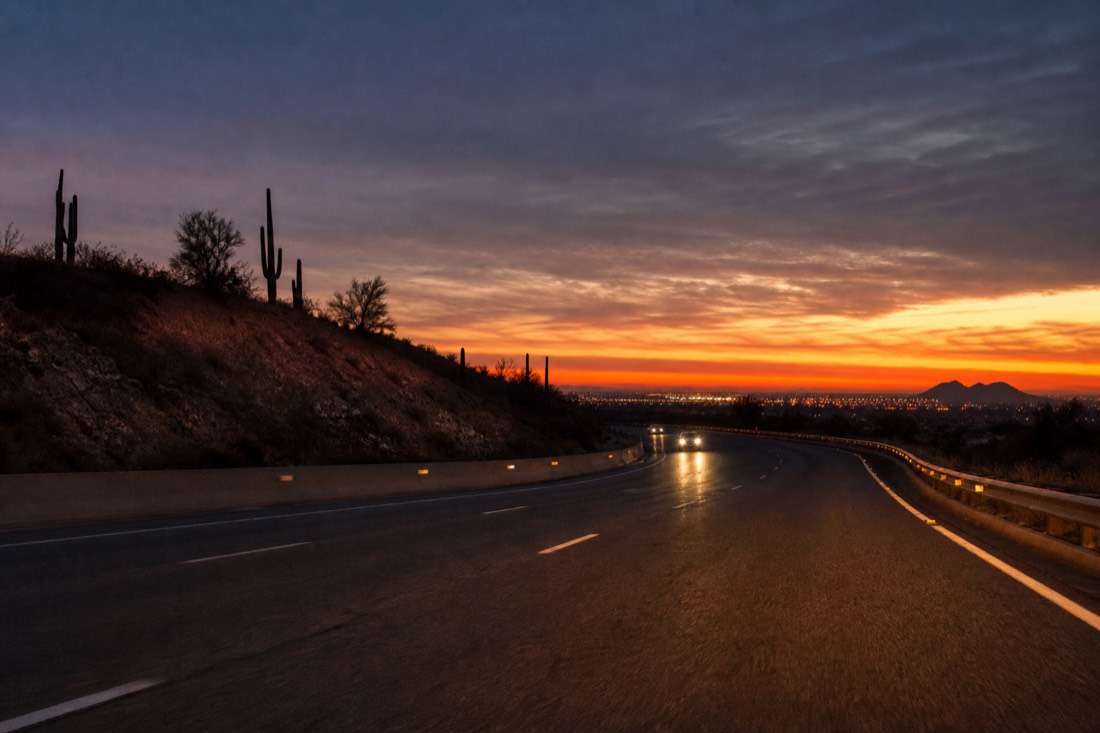
In summer, leave before dawn to beat the 110-degree afternoons on both ends and to be off the road before monsoon cells build. In winter, wait for first light so I-17 and Flagstaff ice has a chance to soften. Spring and fall let you leave at a civilized hour. The canyon slot still decides everything.
The earlier table in this guide covers what each season does to the drive and the canyon. This one is narrower: what time the car should roll, given the season, and why. It assumes the midday slot the day trip forces; overnighters can relax every row by hours.
| Season | Departure allowance | The reason |
|---|---|---|
| Mar-May | Around 6 a.m. | Comfortable temperatures both ends, daylight for the whole run north |
| Jun | Before dawn | Phoenix heat builds fast; the desert half of I-17 is kinder in the dark |
| Jul-Sep | Before dawn, and prefer the earliest slot you can get | Monsoon storms build in the afternoon; morning entries are less exposed to cancellation and you drive home ahead of the cells |
| Oct | Around 6 a.m. | Prime conditions; beam season winds down mid-month |
| Nov-Feb | After first light | I-17 near Flagstaff and US-89 can carry ice; check ADOT conditions the night before |
The monsoon row is the one I press on. On Navajo land I plan every summer day around the sky after lunch, and the canyon operators do the same, cancelling off National Weather Service watches, sometimes mid-day. A morning entry does not make you immune, but it puts your canyon hour and your first two hours of the drive home before the usual build-up. The flash-flood explainer covers why the cancellations are not negotiable.
Winter runs the other way. The canyon is open, quiet and softly lit, but the mountain half of the drive is the risk, and a dawn departure into ice on the Flagstaff grade helps nobody. Let the sun work first.
What does a worked two-day plan from Phoenix look like?
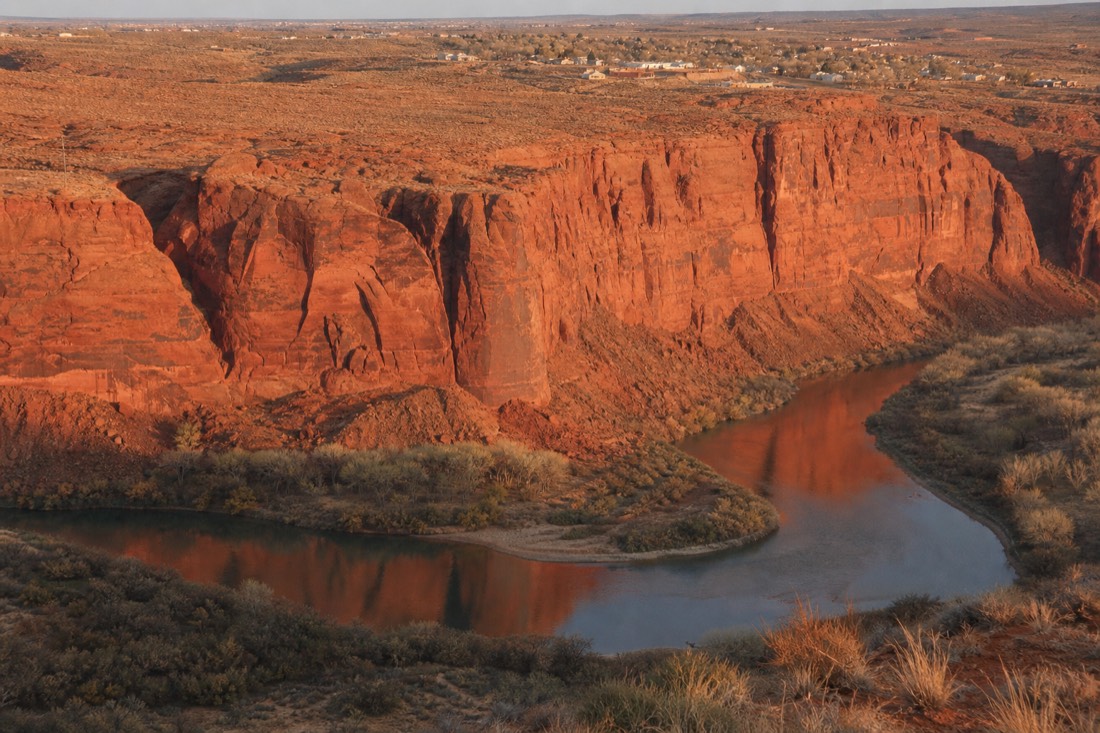
Leave Phoenix after lunch on day one, arrive Page for Horseshoe Bend at golden hour and dinner in town. Day two: a morning canyon entry, the free dam overlook or Hanging Garden, lunch, and an easy drive home with a Flagstaff dinner. Same miles as the day trip, none of the misery.
This is the shape I hand to Phoenix guests who ask, and it is built around one fact from the booking data: morning slots are consistently the last to sell out and the calmest inside the canyon. The overnight is what makes them reachable.
| Day and time (Page clock) | Move |
|---|---|
| Day 1, early afternoon | Leave Phoenix fueled; I-17 north to Flagstaff |
| Day 1, mid-afternoon | Flagstaff stop, then US-89 north via Cameron |
| Day 1, late afternoon | Horseshoe Bend as the light warms; city parking fee per vehicle |
| Day 1, evening | Check in on the Lake Powell Boulevard strip, walk to dinner |
| Day 2, early morning | Coffee, then the check-in desk 45-60 minutes ahead of the entry |
| Day 2, morning | Navajo-guided canyon walk, roughly an hour inside |
| Day 2, late morning | Glen Canyon Dam overlook or Hanging Garden, both free |
| Day 2, midday | Lunch in Page, then US-89 south |
| Day 2, late afternoon | Cameron leg stretch, Flagstaff dinner |
| Day 2, evening | Home to Phoenix, ahead of the day-trippers still driving |
Book the entry first, then the room; slots are the scarcer resource. The where-to-stay guide sorts the strip from the lakeside options, and for most first-timers the strip is right: minutes from the check-in desks, dinner on foot. If your dates fall between July and September, take a flexible hotel rate so a weather-cancelled entry can slide a day. Cancellation depends on the exact ticket: the checked AACT Upper and Lower Viator listings allow a full refund when canceled at least 24 hours ahead. Canyon X on Viator is nonrefundable for customer cancellations, while the checked GetYourGuide Canyon X listing allows cancellation at least four days ahead. Reconfirm the chosen option at checkout.
Is there a guided tour that runs from Phoenix to Antelope Canyon?
Phoenix-based day tours exist through various operators, but the canyon entry itself always happens with an authorized Navajo guide regardless of who drives you north. Most independent travelers self-drive from Phoenix and book the canyon entry directly, which is the approach this guide covers.
Can I visit Horseshoe Bend on the same Phoenix day trip?
If your timing holds, yes. The overlook sits just south of Page with a city-run parking fee and a short walk from the lot. On a tight day-trip schedule it costs about an hour. Overnight visitors can catch it at sunrise or sunset instead, which is far better.
How far ahead should I book the canyon entry?
For midday slots between March and October, think in months, not weeks. Shoulder-season and morning slots are more forgiving. Book the entry first, then arrange lodging and the drive around it.
Is the drive doable in winter?
Usually, yes, but I-17 near Flagstaff and US-89 can see snow and ice. Check Arizona DOT conditions the night before and morning of. The canyon itself stays open year-round outside of weather closures, with softer light and far thinner crowds.
Your next booking step
Lower Antelope with a Navajo guide
Have a travel date in mind? A timed walk among Lower’s sculpted walls, with entry and the Navajo permit included. Check the date before arranging the rest of this part of your trip.
General starting point — confirm the exact party and date
Select a date to load the Viator schedule. Availability and final price are confirmed on Viator.
Check dates for Lower Antelope with a Navajo guide
Ken’s Tours, Lower entrance; arrive 30 minutes early. Return to the same site. Steel stairs and narrow passages; no bags or tripods. Not recommended during pregnancy or with spinal/cardiovascular conditions. Customer cancellation: full refund at least 24 hours before departure; reconfirm at checkout.
Compare routes, adjust your plan & budget
Phoenix to Antelope Canyon is about 4.5 hours each way. The real day-trip math, why an overnight in Page usually wins, and how to time the canyon entry slot. These are different experiences, not interchangeable admission tickets. All listed guiding is in English.
A timed walk among Lower’s sculpted walls, with entry and the Navajo permit included. 60 minutes; English; from Page. Ken’s Tours, Lower entrance; arrive 30 minutes early. Return to the same site. Steel stairs and narrow passages; no bags or tripods. Not recommended during pregnancy or with spinal/cardiovascular conditions. Customer cancellation: full refund at least 24 hours before departure; reconfirm at checkout.
A 14-hour road day with a Lower Canyon visit, Horseshoe Bend, breakfast, lunch and regional transport. 840 minutes; English; from Phoenix. Phoenix/Scottsdale/Tempe pickup arrangements; contact supplier at least one week ahead. Hotel pickup is not guaranteed. Returns to the region. Use age 5+ conservatively: narrative minimum 3 conflicts with booking bands starting at 5. Nonrefundable terms and partial canyon-only weather refunds; check current conditions before paying. Moderate fitness; not recommended during pregnancy.
Guided road transport from Phoenix to the canyon country around Page. 900 minutes; English; from Phoenix. Phoenix pickup details confirmed by provider. Canyon entry, food and tips extra. Confirm door-to-door duration and children before paying; allow a full 15-hour day. Not suitable during pregnancy or with back/fitness limitations.
Upper’s beam corridor with a Navajo guide; fees and taxes included. 80 minutes; English; from Page. Adventurous Antelope Canyon Tours, Highway 98; arrive 30 minutes early. Return to the same base. Ages 8+; moderate fitness. Sandy walking and the outdoor stair/hill exit; no guaranteed beams. Not recommended during pregnancy or with spinal/cardiovascular conditions. Customer cancellation: full refund at least 24 hours before departure; reconfirm at checkout.
Affiliate links: we may earn a commission at no extra cost to you. Schedule dates are not confirmed seats.