Flash Floods at Antelope Canyon: The Real Risk and How Tours Manage It
Slot canyons flood from storms you cannot see. Here is the history handled straight, the season that matters, and how the guided system manages the risk today.
 Written with Daniel Begay, Navajo guide & Southwest canyon specialist
Short answer
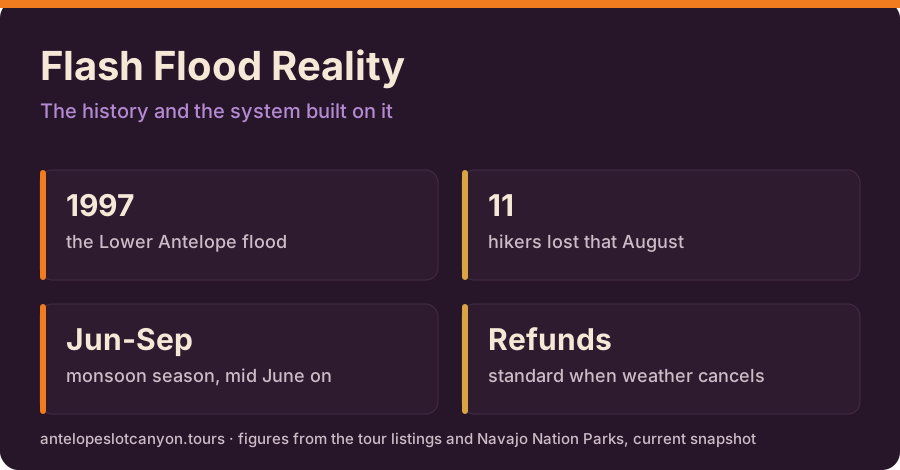
Flash floods are the one serious danger at Antelope Canyon: in August 1997 a flood in Lower Antelope Canyon killed 11 hikers, and that event reshaped access. Today the risk is actively managed. Monsoon season runs roughly mid-June through September, operators watch upstream storms, and tours cancel with refunds when weather threatens.
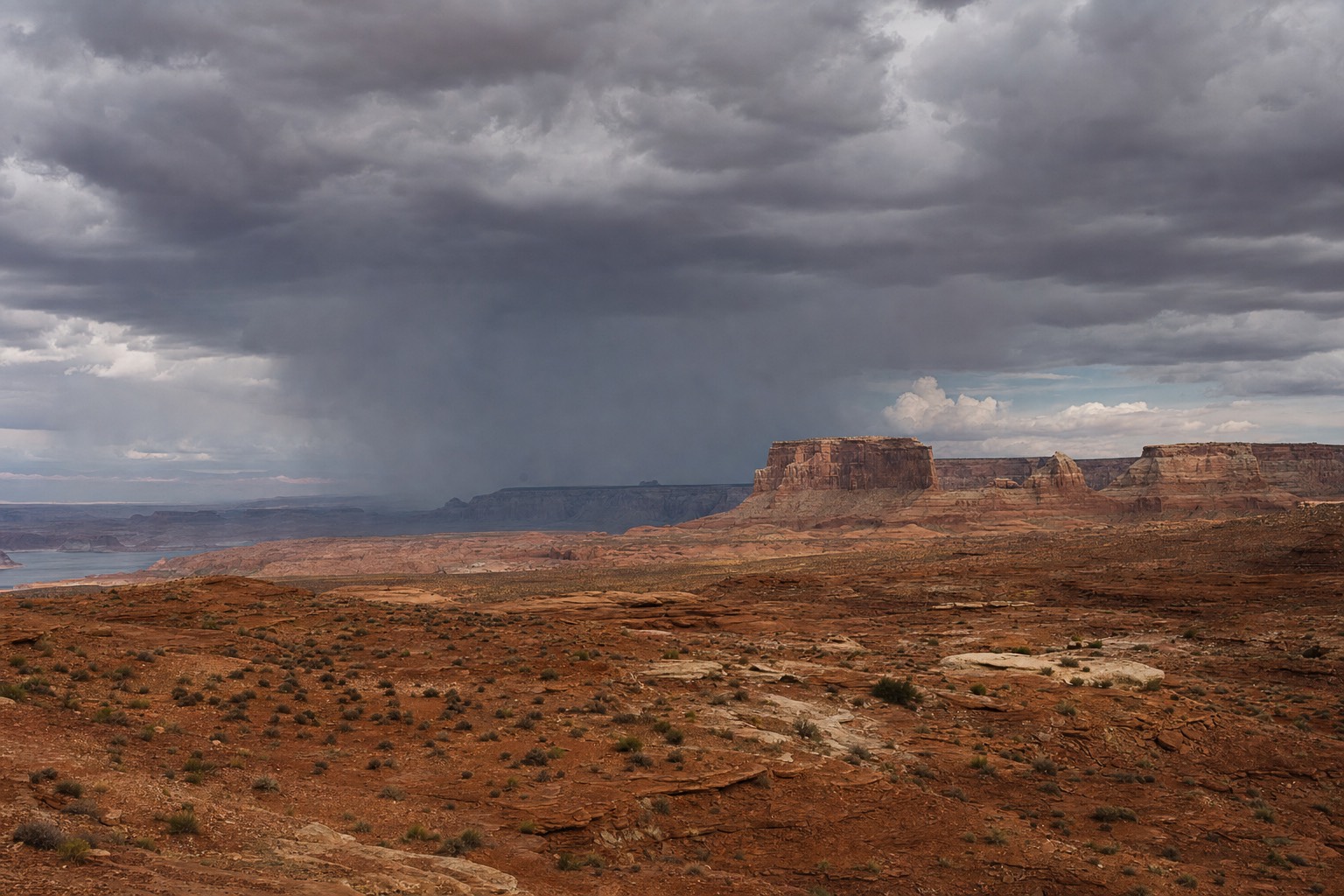
Monsoon storms on the Colorado Plateau do their damage from miles away. I guide on Navajo land, and I build every summer around the same fact the canyon operators do: rain you never see can send a wall of water down a slot canyon under a blue local sky. That is not a reason to skip Antelope Canyon. It is the reason the canyon runs the way it runs, with guides, monitoring, and cancellations that override any tour schedule. This guide handles the history straight, without drama, and then explains the system that stands between that history and your visit.
What happened at Antelope Canyon in 1997?
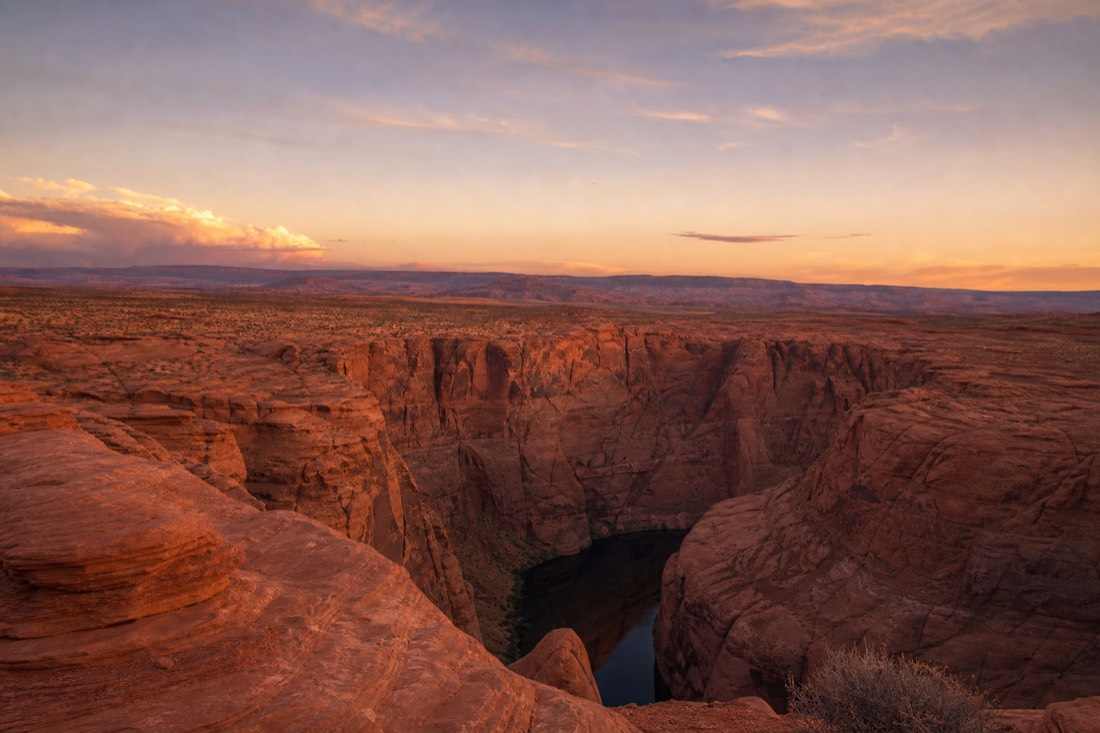
In August 1997, a flash flood swept through Lower Antelope Canyon and killed 11 hikers. The storm that caused it fell miles upstream, not at the canyon itself. That event reshaped how the canyon is run: access rules tightened, and safety infrastructure and storm monitoring became the baseline for every tour since.
The people who run Lower Antelope today do not hide this history, and neither should a guide that sends you there. Ken's Tours' own account of the canyon's history carries the 1997 flood as part of its legacy, and the changes that followed are the reason the modern visit looks the way it does. I will not dramatize the event beyond the facts, because the facts carry their own weight: eleven people, a storm nobody at the canyon saw falling, and a lesson the whole guiding system absorbed. When your tour gets canceled on a sunny afternoon decades later, this is the memory doing its job.
When is flash flood season at Antelope Canyon?
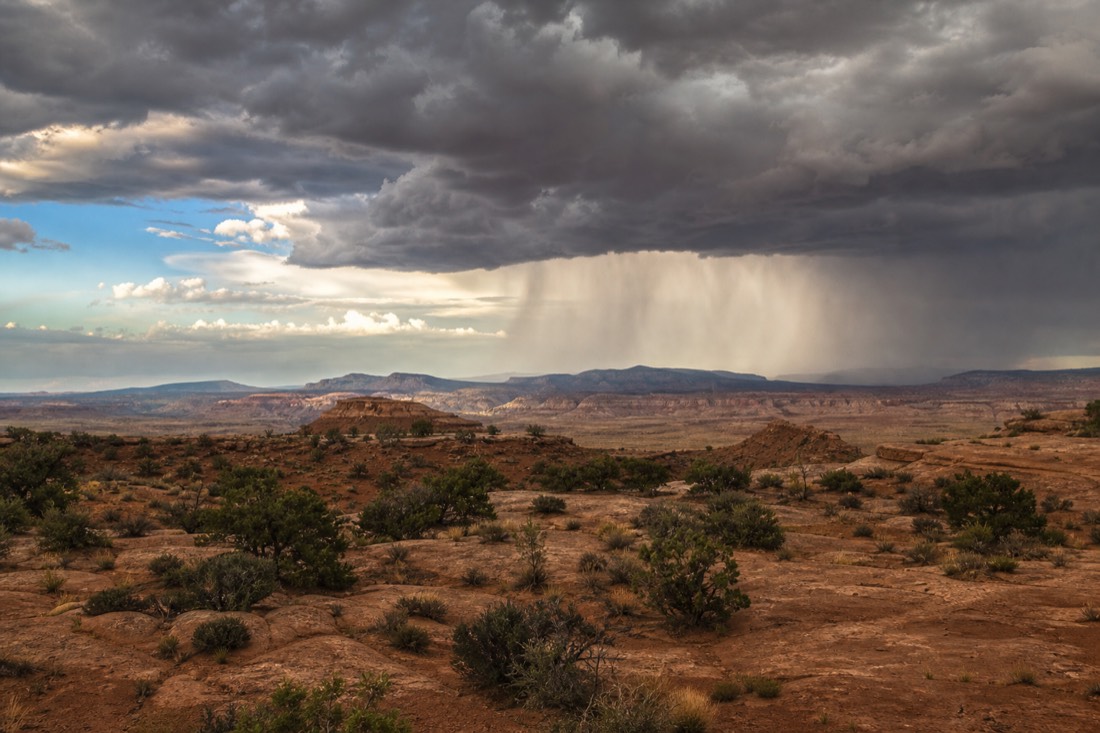
Monsoon season runs roughly mid-June through September, when afternoon thunderstorms build over the plateau and drain toward the slot canyons. July through September is the peak cancellation window, sometimes mid-day. The rest of the year carries far less storm activity, though operators treat any rain forecast seriously.
| Months | Storm pattern | What it means for your tour |
|---|---|---|
| October to May | Low storm activity | Cancellations uncommon; the calm planning window |
| Mid to late June | Monsoon season begins | Watch forecasts; warnings can arrive with the first storms |
| July and August | Peak monsoon; afternoon cells build fast | Highest cancellation likelihood, occasionally mid-day |
| September | Monsoon tapers but stays live | Still a real cancellation window into month's end |
Monsoon afternoons follow a rhythm every plateau guide knows: clear mornings, towers of cloud by lunch, cells dumping rain somewhere by mid-afternoon. That rhythm is why early slots are the double win in summer, cooler and less likely to meet a storm. If your dates are flexible, the best time to visit guide weighs the monsoon window against beams and crowds, and the monsoon backup plan covers what to do with a canceled afternoon in Page.
How do tour operators manage the risk today?
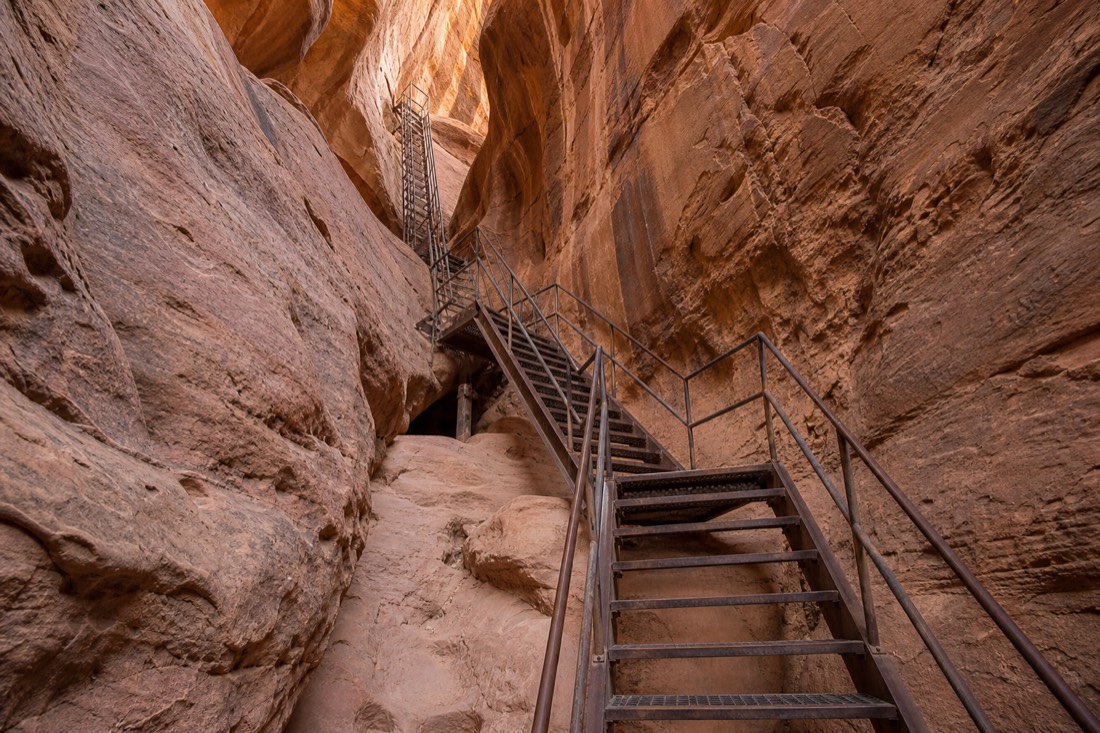
Operators and Navajo Nation Parks track National Weather Service alerts and upstream conditions in real time, and they close canyons or pull tours when storms threaten, sometimes in the middle of the day. Since 1997, engineered stairways, ladders, and exit routes have gone into Lower. A canceled tour is the system working.
| Layer | What actually happens |
|---|---|
| Forecast watch | NWS watches and warnings are tracked daily; upstream rain counts, not just the sky over Page |
| Closure authority | Operators and Navajo Nation Parks cancel preemptively, before water arrives |
| Mid-day pulls | Tours already underway can be cut short when a warning lands |
| In-canyon infrastructure | Lower's stairways, ladders, and exit routes were added in the era after 1997 |
| Your part | Book flexible terms in monsoon months and keep your operator's contact handy on tour day |
What I want travelers to internalize is the asymmetry. Operators cancel on the possibility of water because the alternative is unrecoverable, and no refund conversation compares. Guides here live with this drainage year-round; when they call a day, the call is grounded in information you and I do not have from the parking lot. Nobody who understands slot canyons argues with a closure.
Can it flood when it is not raining at the canyon?
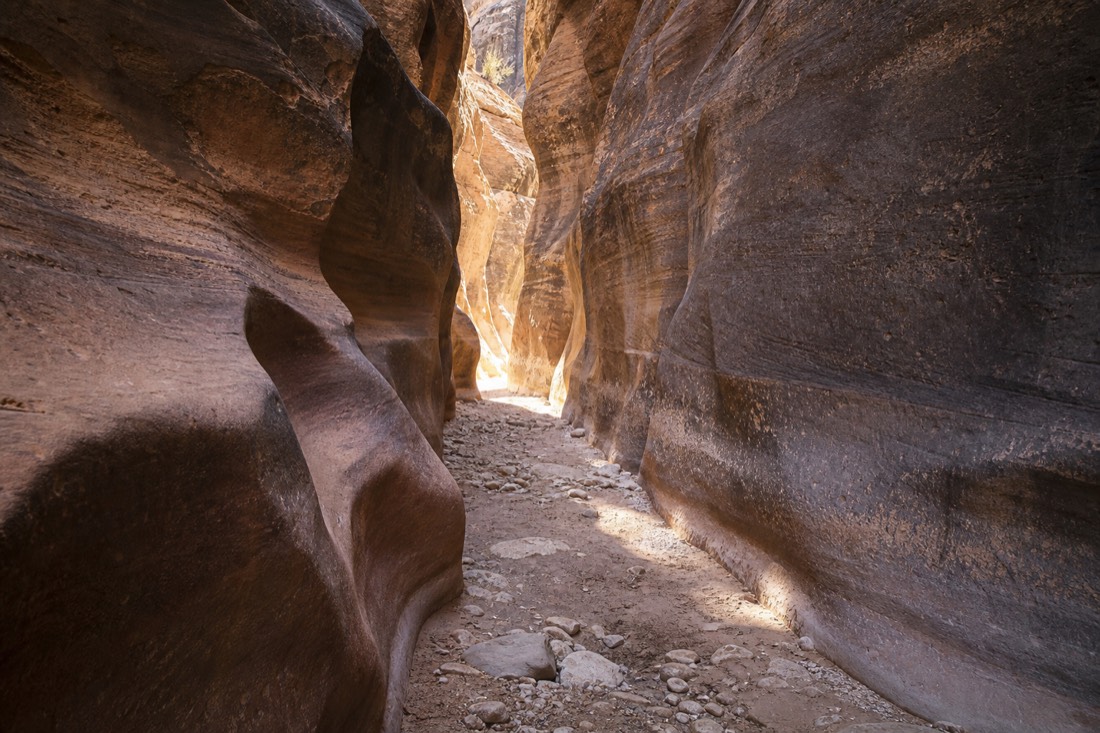
Yes, and that is the entire danger. A slot canyon drains a large upstream basin, so a storm miles away can push water through under a clear local sky. The 1997 flood worked exactly that way. This is why operators cancel on regional forecasts that look absurd from a sunny parking lot.
Look at the walls when you visit: the polish, the flutes, the logs sometimes wedged high overhead. All of it is the signature of water moving with force through a passage narrower than a hallway. The same carving that makes the canyon photogenic is the mechanism that makes it dangerous in a storm, which is a thing I tell guests about every slot and wash on Navajo land, not just this famous one. The practical takeaway is simple. Never judge canyon safety by the sky above you, and never wish your operator had been braver with the weather. The system is built on respecting rain you cannot see.
What happens to your booking if weather cancels the tour?
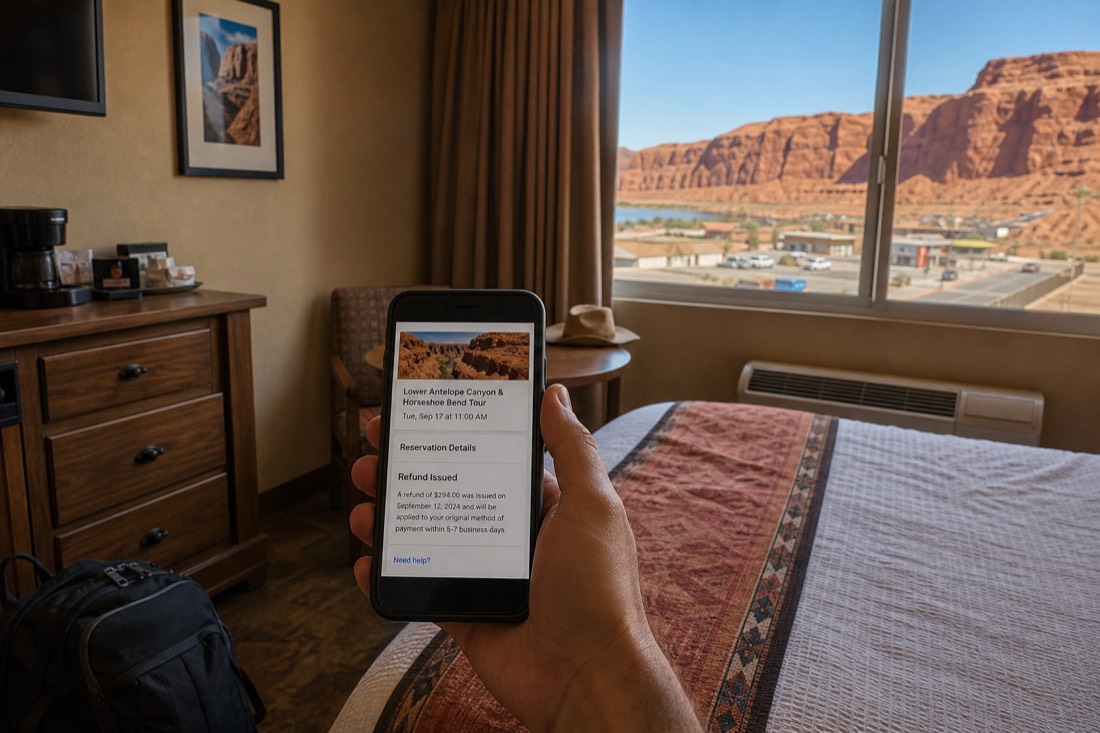
When the operator cancels for weather, refunds are the standard outcome. Read the terms on your listing before booking a monsoon date. Cancellation depends on the exact ticket: the checked AACT Upper and Lower Viator listings allow a full refund when canceled at least 24 hours ahead. Canyon X on Viator is nonrefundable for customer cancellations, while the checked GetYourGuide Canyon X listing allows cancellation at least four days ahead. Reconfirm the chosen option at checkout.
| Listing | Traveler-side cancellation terms |
|---|---|
| Lower Antelope Canyon, Viator | Free cancellation |
| Lower Antelope Canyon, GetYourGuide | Terms not stated upfront on our check; confirm on the listing |
| Upper Antelope Canyon, GetYourGuide | Refund only with cancellation 5 or more days ahead |
| Upper Antelope Canyon, Viator (AACT) | Cancel up to 24 hours ahead |
| Canyon X, GetYourGuide | Cancel up to 4 days ahead |
| Kayak and hike, Viator | Free cancellation |
| Las Vegas day tour, Viator | Free cancellation |
The distinction to hold onto: operator weather cancellations refund you regardless of the table above, per current visitor reports; the table governs when you change your own mind. The full pricing picture, permits included, sits in the tickets and cost guide.
Should flash flood risk stop you from booking?
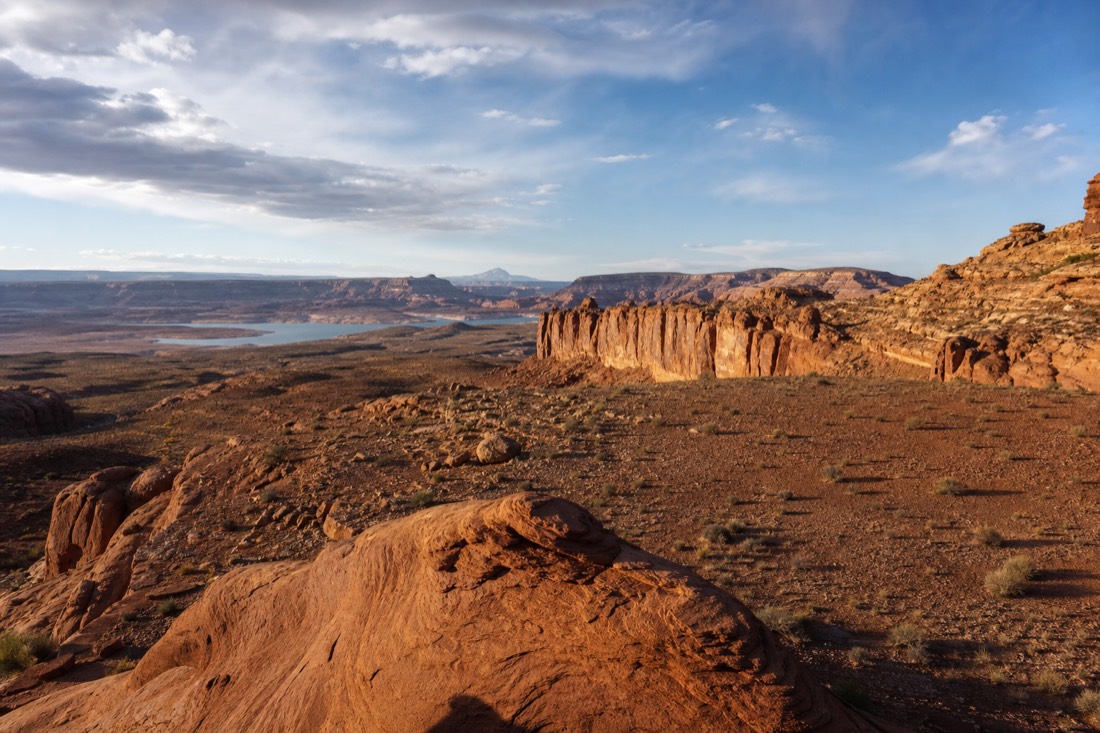
No. The risk is real, and it is exactly why the guided system exists: professional monitoring, preemptive closures, engineered exits, and refunds when weather wins. Book with flexible terms in monsoon months, favor morning slots, and treat any cancellation as the system protecting you rather than a trip ruined.
Perspective helps here. Thousands of visitors walk these canyons in an ordinary week, under guides whose families have read this weather for generations, inside a system rebuilt around the hardest lesson the canyon ever taught. The traveler's share of the work is small: flexible booking terms in summer, a morning slot, a backup plan for the afternoon, and zero arguments with a closure. Families weighing this alongside ladders and little legs can pair this guide with the kids, seniors, and mobility guide; the safety calculus does not change by age, because the operators make the same call for every group in the wash.
What does a weather cancellation actually look like on the day?
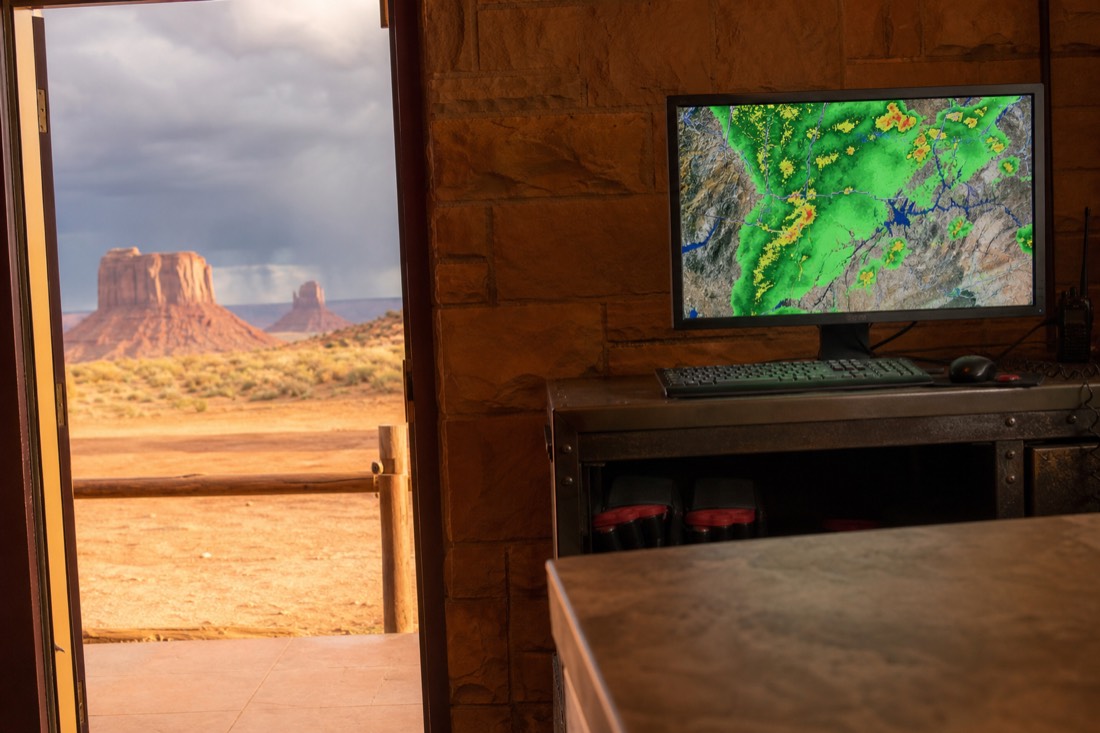
It starts before you wake: operators track real-time weather tools and National Weather Service alerts, and a watch over the upstream basin can close a canyon before the first departure. On the day, guides can cut a tour short mid-walk. Afterward the operator refunds in full, and the canyon may stay shut a further day to let conditions settle.
The sequence below is a planning allowance assembled from what the operators publish and what visitors report, not a script for your specific tour. Ken's Tours describes real-time tracking tools, communication gear, and evacuation plans as standing parts of its monsoon operation. Dixie's states a full refund when tours are cancelled for weather, and Upper's Antelope Canyon Tours says the same for extreme-weather cancellations by the operator. In between those two ends sits the part travelers rarely see: a decision made by people reading rain that is falling somewhere you cannot.
| When | What happens | What you do |
|---|---|---|
| Night before | Forecast and NWS watches reviewed; the upstream basin counts, not just Page | Check the operator's message channel and confirm your slot |
| Check-in, 30 to 45 minutes early | Waivers signed, headcount taken, guides briefed on conditions | Have your confirmation and the operator's contact on your phone |
| Watch or warning lands before departure | Operator or Navajo Nation Parks closes the canyon preemptively | Wait for the operator's word; do not drive out to the site to argue |
| Mid-walk change | Guides evacuate the group by the bolted stairways and exit routes | Follow the guide immediately; the route is rehearsed |
| Same day | Full refund from the operator, per published policy | Switch to the monsoon backup plan |
| Next morning | Canyon may stay closed a day after upstream flooding to let it settle | Rebook only when the operator reopens; keep terms flexible |
The line I want travelers to hold is the third one. When the call comes, it comes from people whose families have read this drainage for generations and who watched the radar while you slept. Nobody in a parking lot has better information than they do. If the season worries you, the flagship listing carries the friendliest terms in our lineup: the Lower Antelope Canyon walk on Viator at 4.9 from 7,298 reviews with free cancellation, so a rebooked day costs you nothing but patience.
How did the canyon change after 1997?
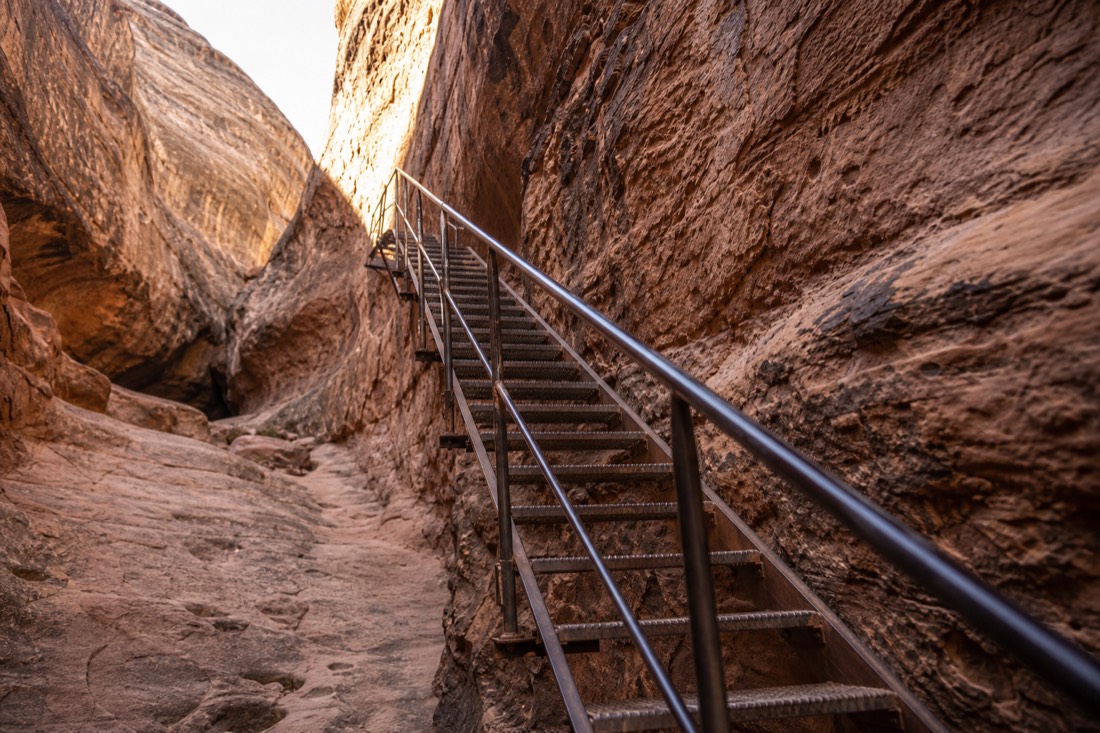
After the August 1997 flood the Navajo Nation closed Lower Antelope for a year. It reopened only after Ken's Tours won permission to bolt metal stairwells through the canyon walls for a faster, safer exit, built by the family themselves. Access became guided-only, group sizes were capped, and real-time weather tracking became routine.
The history is on the operators' own pages, and it explains the furniture you walk on. Ken's Tours recounts that its founders were guiding that day, that the Nation shut the area for a year, and that trespass and vandalism during the closure pushed the Nation to ask the family to reopen tours so someone would watch over the canyon. Kenneth Young set one condition: metal stairwells bolted throughout the walls so groups could get out fast. The Nation agreed, and Kenneth, his son Kenny Young, and his son-in-law Lloyd Pahi built the original flights. Dixie Ellis, Kenneth's sister, later opened the second Lower operation, and Dixie's FAQ confirms today that every ladder carries a handrail and is bolted into the rock. Upper's operators date the guided-only rule to the same year.
| Change since 1997 | Detail | Source |
|---|---|---|
| One-year closure | Navajo Nation closed Lower Antelope after the flood | Ken's Tours history |
| Bolted metal stairwells | Condition of reopening; built by the Young family for quicker, safer exit | Ken's Tours history |
| Handrails on every ladder | All ladders railed and bolted into the canyon walls | Dixie's Lower Antelope FAQ |
| Guided-only access | Canyon unavailable to the public without an authorized operator since 1997 | Antelope Canyon Tours FAQ; Navajo Nation Parks |
| Group size caps | Groups of 15 or fewer per guide at Lower | Dixie's Lower Antelope FAQ |
| Real-time weather tracking | Operators monitor storms with live tools during monsoon | Ken's Tours monsoon page |
| Communication and evacuation plans | Reliable comms and clear evacuation routes as standing practice | Ken's Tours monsoon page |
| Weather refunds | Full refund when the operator cancels for weather | Dixie's and Antelope Canyon Tours FAQs |
I keep the 1997 flood guide separate for readers who want the event itself handled fully. This section is about the aftermath, because the aftermath is what you walk on. Every bolted flight in Lower is a decision made after that August, and the reason a guide can move a group out of the slot in minutes is that a family insisted on it before they would take anyone back in.
Which monsoon weeks carry the most risk, and what should you book?
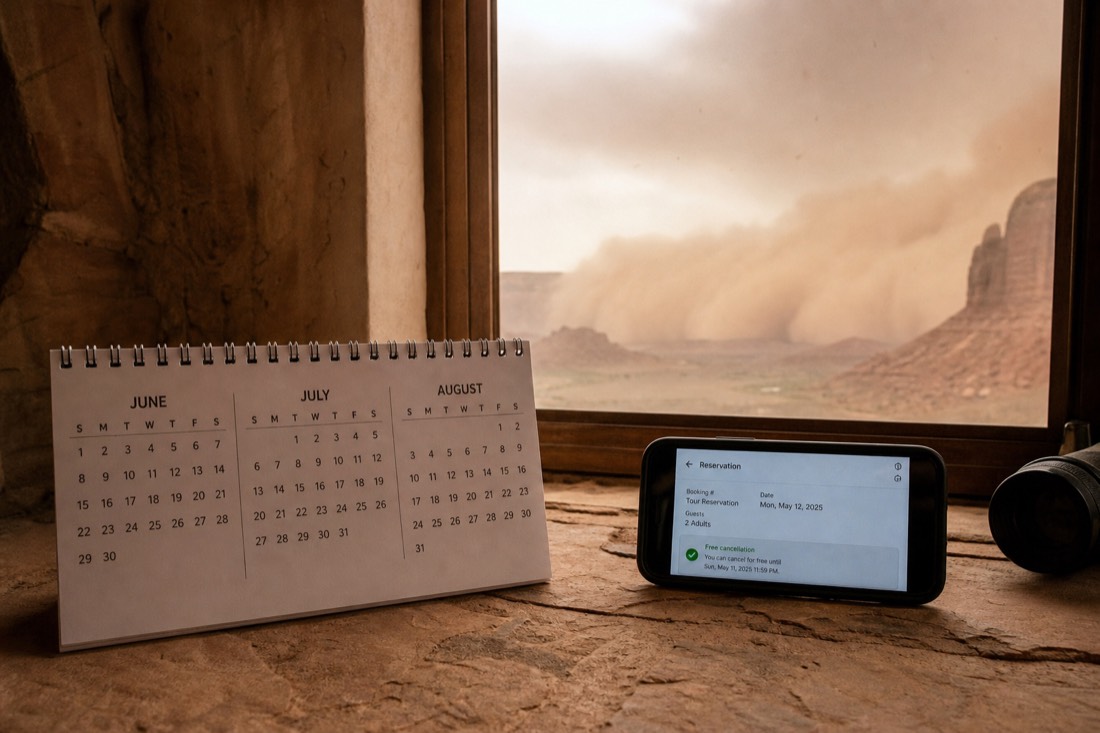
Northern Arizona's monsoon runs June 15 through September 30 by the Lower operator's own calendar. The first warnings can land in late June, as one did on June 26, 2026; July and August are the peak; September stays live. Inside that window book morning slots on listings with free or 24-hour cancellation.
The earlier month table describes the storm pattern. This one pairs each stretch of the season with the booking terms that fit it, because the traveler's only real lever in monsoon season is the flexibility of the ticket. Documented dates anchor the edges: the operator-stated June 15 start, the June 26, 2026 National Weather Service warning telling people to get out of Antelope Canyon and nearby slots, the August 1997 flood, and the September 30 close. Everything in the terms column comes from the listings in our lineup as we checked them.
| Window | Monsoon status | Documented marker | Terms to favor | Slot to book |
|---|---|---|---|---|
| Before June 15 | Outside the operator's monsoon calendar | Calm planning window | Any terms | Any; midday if chasing beams |
| June 15 to 30 | Season opens | NWS flash flood warning issued June 26, 2026 | Free cancellation or 24-hour terms | Morning |
| July | Peak | Midday July slots at Upper sell out months out; peak cancellation window | Free cancellation preferred | First departure |
| August | Peak | The 1997 flood was an August event | Free cancellation preferred | First departure |
| September | Tapering but live | Operator calendar runs to September 30 | Free cancellation or 24-hour terms | Morning |
| From October | Outside the calendar | Cancellations uncommon | Any terms | Any |
Which listings carry which terms is laid out in the cancellation table earlier in this guide. The short version for a July or August date: the Lower walk on Viator, the kayak trip, and the Las Vegas day tour offer free cancellation; the Upper tour by Adventurous Antelope Canyon Tours on Viator allows changes to 24 hours; Canyon X asks four days; the Upper listing on GetYourGuide asks five. In August they mean paying for a beam you may never see, so weigh that honestly against the light beams guide before you commit. Cancellation depends on the exact ticket: the checked AACT Upper and Lower Viator listings allow a full refund when canceled at least 24 hours ahead. Canyon X on Viator is nonrefundable for customer cancellations, while the checked GetYourGuide Canyon X listing allows cancellation at least four days ahead. Reconfirm the chosen option at checkout.
What does monsoon season mean on Navajo land, from a guide's side?
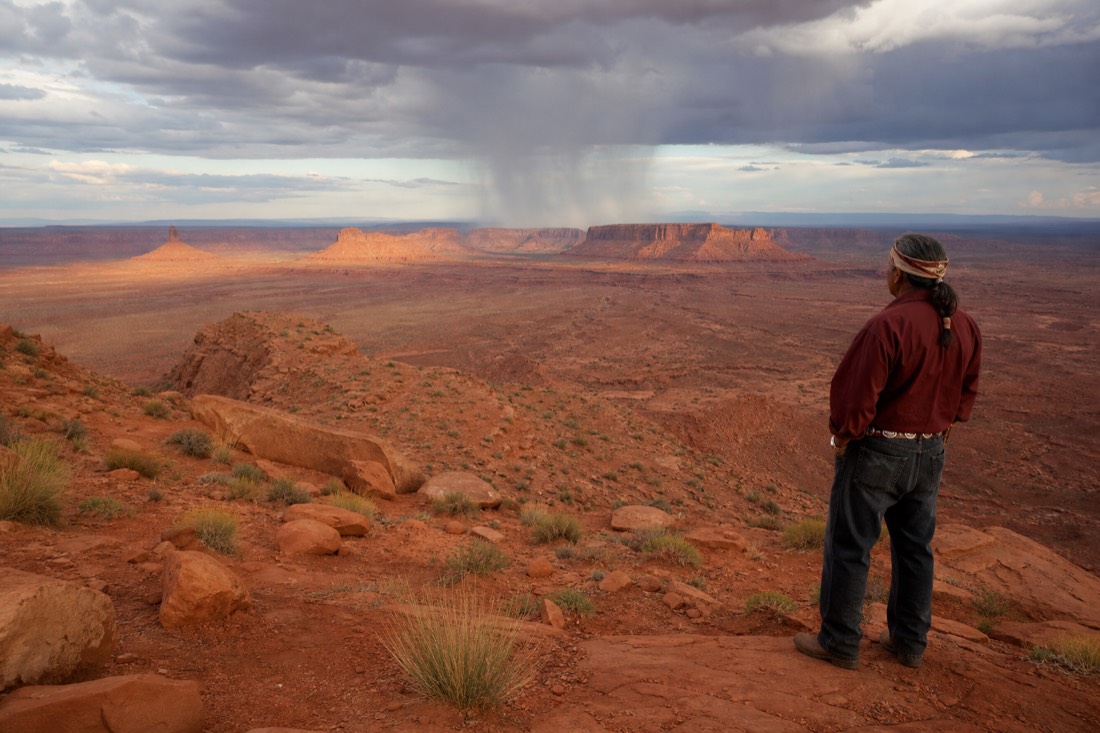
Rain is not the enemy here. On Navajo land the monsoon is the season that brings the desert back to life, treated with respect rather than dread. What guides watch for is the hazard set that rides in with it: floods in the slots, lightning on the rim, dust storms on the highway, and heat between storms.
I guide in Monument Valley, and the monsoon shapes my working summer the way it shapes the canyon operators'. Ken's Tours puts it well on its own page: for the Navajo Nation this is a sacred season of renewal and prayer, and the rains are part of a cycle that connects people to the land. That framing is not decoration. It is why a cancellation is delivered without apology and received, by anyone who understands the place, without complaint. The water is doing what it has always done. Our job is to be somewhere else when it does. The hazards are broader than the slot itself, and the operators say so in their packing advice.
| Monsoon hazard | Where it bites | What operators do | What you carry or do |
|---|---|---|---|
| Flash flood | Slot canyons, from rain far upstream | Track live weather, close preemptively, evacuate by bolted exits | Follow the guide; never enter a wash on your own |
| Lightning | Exposed rims and open desert, Horseshoe Bend included | Hold or cancel departures | Leave open ground when cells build; afternoons especially |
| Dust storms, haboobs | Highways and open plateau | Delay tours in poor visibility | Pull over if a wall of dust crosses the road; wait it out |
| High winds | Rims, parking lots, open trails | Cancel or delay as needed | Secure hats and gear; keep children back from edges |
| Heat between storms | Everywhere; up to 100 degrees at the canyon site | Warn guests to hydrate 24 hours ahead | Water, brimmed hat, sunscreen, morning slots |
| Rain and slick rock | Trails and canyon floors | Advise waterproof shoes and rain jackets | Grippy waterproof footwear, a light shell |
The kit column is Ken's own list for the season: waterproof shoes, a lightweight rain jacket, a brimmed hat that serves against sun and rain alike, plus Dixie's standing advice to hydrate the day before. My addition from the guiding side is a habit rather than an object. Look at the horizon at lunch. If towers of cloud are standing over the plateau, the afternoon belongs to the storm, and the things to do in Page list has plenty that sits under a roof.
Has anyone died at Antelope Canyon?
Yes. In August 1997 a flash flood in Lower Antelope Canyon killed 11 hikers, caused by a storm miles upstream. That event reshaped access: tightened rules, added stairways and exit routes, and the storm monitoring that governs every modern tour.
Do Antelope Canyon tours cancel often in summer?
Cancellations concentrate in monsoon season, roughly mid-June through September, when afternoon storms build over the plateau. Operators cancel preemptively on weather service alerts, sometimes mid-day, and refunds are the standard outcome when they do.
Will I get a refund if the operator cancels for weather?
Yes, refunds depend on the booked product’s terms when the cancellation comes from the operator for safety. Cancellation depends on the exact ticket: the checked AACT Upper and Lower Viator listings allow a full refund when canceled at least 24 hours ahead. Canyon X on Viator is nonrefundable for customer cancellations, while the checked GetYourGuide Canyon X listing allows cancellation at least four days ahead. Reconfirm the chosen option at checkout.
Is Upper Antelope Canyon safer than Lower?
The safety layer is the system, not the section. Both canyons sit in the same drainage, both are monitored the same way, and closures apply across the wash when storms threaten. Choose between them on terrain and light, and let the operators own the weather call.
Your next booking step
Lower Antelope with a Navajo guide
Have a travel date in mind? A timed walk among Lower’s sculpted walls, with entry and the Navajo permit included. Check the date before arranging the rest of this part of your trip.
General starting point — confirm the exact party and date
Select a date to load the Viator schedule. Availability and final price are confirmed on Viator.
Check dates for Lower Antelope with a Navajo guide
Ken’s Tours, Lower entrance; arrive 30 minutes early. Return to the same site. Steel stairs and narrow passages; no bags or tripods. Not recommended during pregnancy or with spinal/cardiovascular conditions. Customer cancellation: full refund at least 24 hours before departure; reconfirm at checkout.
Compare routes, adjust your plan & budget
The honest history and the current system: the 1997 Lower Antelope flood, monsoon season timing, how operators monitor and cancel, and what a cancellation means for your booking. These are different experiences, not interchangeable admission tickets. All listed guiding is in English.
A timed walk among Lower’s sculpted walls, with entry and the Navajo permit included. 60 minutes; English; from Page. Ken’s Tours, Lower entrance; arrive 30 minutes early. Return to the same site. Steel stairs and narrow passages; no bags or tripods. Not recommended during pregnancy or with spinal/cardiovascular conditions. Customer cancellation: full refund at least 24 hours before departure; reconfirm at checkout.
Upper’s beam corridor with a Navajo guide; fees and taxes included. 80 minutes; English; from Page. Adventurous Antelope Canyon Tours, Highway 98; arrive 30 minutes early. Return to the same base. Ages 8+; moderate fitness. Sandy walking and the outdoor stair/hill exit; no guaranteed beams. Not recommended during pregnancy or with spinal/cardiovascular conditions. Customer cancellation: full refund at least 24 hours before departure; reconfirm at checkout.
Two Canyon X sections on Taadidiin’s guided hiking route. Choose the hiking option. 90 minutes; English; from Page. Taadidiin Tours, Highway 98; arrive 30 minutes early, using Arizona/Phoenix time. Return to the same site. Steep access trail. Permit is listed as included but the API’s old fee amount conflicts with current operator information; confirm the final total. Guide service fee extra. No tripod on hiking option. Nonrefundable for customer cancellation on Viator; read the exact weather-cancellation terms.
Affiliate links: we may earn a commission at no extra cost to you. Schedule dates are not confirmed seats.