Things to Do in Page, Arizona Beyond the Slot Canyons
Most visitors give Page one canyon hour and drive away. The town rewards the ones who stay: a river bend you will never forget, a vast blue lake in red stone, free overlooks, and quiet trails. Here is the honest menu, with times and costs.
 Written with Daniel Begay, Navajo guide & Southwest canyon specialist
Short answer
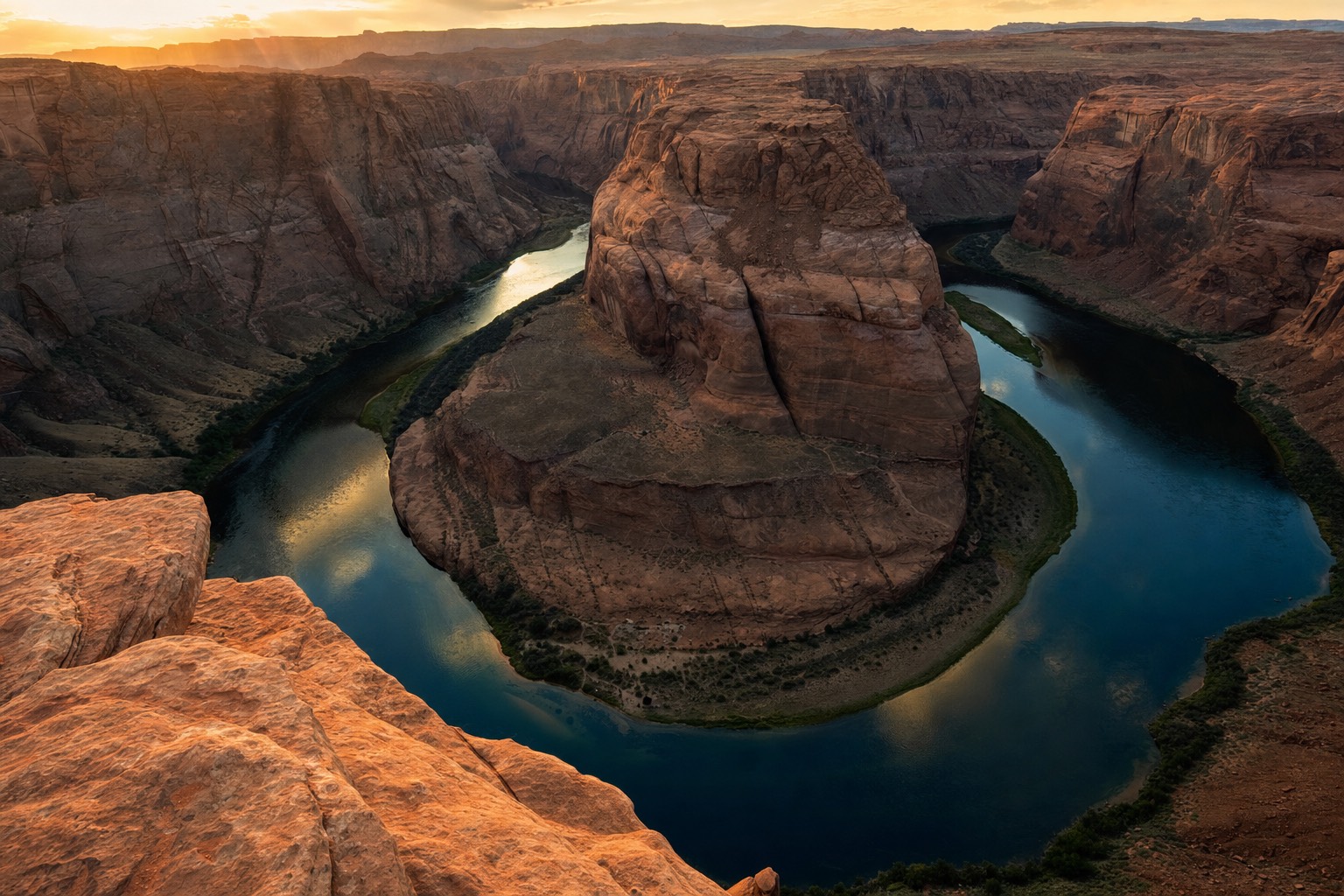
Beyond the slot canyons, Page packs Horseshoe Bend, Lake Powell boating and kayaking from Antelope Point and Wahweap, the free Glen Canyon Dam overlook, lakeview points, the town's Rim Trail and the short Hanging Garden hike. A full extra day covers the highlights; two days lets the lake breathe.
The first thing I tell guests who ask about Page is that the town outworks its size. A few thousand people on a mesa, built for dam workers, now the hub for some of the most photographed landscape in America. The slot canyons get the fame, and they earn it, but I have watched too many travelers drive four hours home an hour after their canyon walk ended, past a river bend and a five-hundred-mile lake they never looked at. Give Page the rest of the day. Better, give it a whole one.
What is there to do in Page besides the slot canyons?
Six things worth your time: Horseshoe Bend, Lake Powell from Antelope Point or Wahweap, the Glen Canyon Dam overlook, the Wahweap viewpoint, the Rim Trail circling town, and the Hanging Garden hike. Half cost nothing. Only the water activities need a booking; the rest run on your own clock.
Here is the whole menu with the honest numbers:
| Attraction | Time needed | Cost | Guide needed? |
|---|---|---|---|
| Horseshoe Bend overlook | 1-1.5 h | City-run parking fee per vehicle | No |
| Lake Powell kayak to the canyon's lake side | ~4 h | Tour price on the listing | Guided tour handles logistics |
| Antelope Point and Wahweap marinas | 1 h to all day | Recreation-area entrance applies | No, unless you book a boat |
| Glen Canyon Dam overlook | 30 min | Free | No |
| Wahweap viewpoint | 30 min | Recreation-area entrance applies | No |
| Rim Trail | 1-2 h | Free | No |
| Hanging Garden trail | ~1 h | Free | No |
Notice the shape of that table: after the slot canyons, which are guided-only under Navajo Nation rules, almost everything else around Page is self-serve. That makes the town ideal for the day around your canyon slot, because the fixed appointment sits in a sea of flexible ones.
The Lake Powell entries deserve one framing note up front. The lake and its shoreline sit inside Glen Canyon National Recreation Area, managed by the National Park Service, which is separate from the Navajo Nation land the slot canyons occupy. Different land, different rules, different fees. The kayak route to Antelope Canyon's drowned lower end is a water trip on NPS-managed lake, not a Navajo-guided slot walk, and this guide treats them as the different experiences they are.
Is Horseshoe Bend worth the stop?
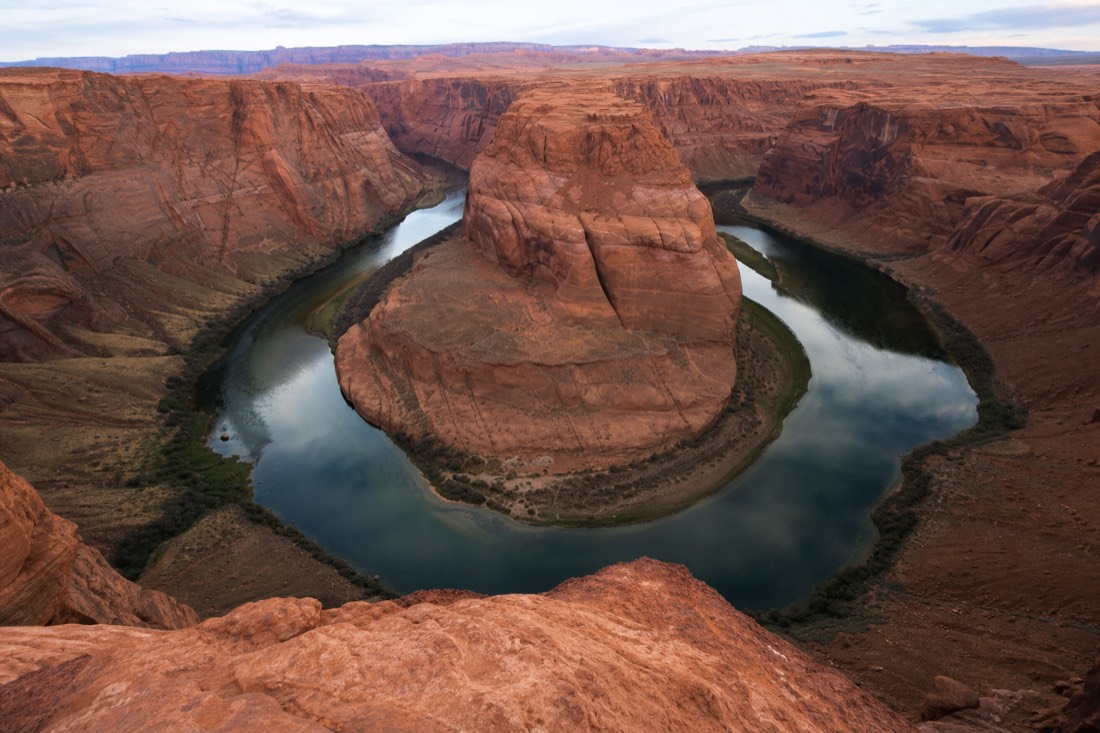
Yes, without hesitation. It is a thousand-foot drop to the Colorado River making a near-complete turn, minutes south of town, reached by a short sandy walk from a city-managed parking lot. Pay the vehicle parking fee, budget about an hour, and go at sunrise or late afternoon if you can choose.
Horseshoe Bend is that rare famous thing that looks like its photographs. The overlook is managed by the City of Page, the parking fee is charged per vehicle at the lot, and once parked, the walk to the rim is short enough for nearly everyone while still being honest desert: sand, sun and no meaningful shade en route, so carry water in summer.
Timing is the whole game. Midday is the busiest and flattest light. Early morning brings soft color and thin crowds; late afternoon sets the river glowing, at the price of company on the rim. Day-trippers coming off a midday canyon slot land here around the good afternoon window naturally, which is why the bend fits the standard Page day so well.
Respect the edge. Sections of railing exist at the main viewpoint, and the rest of the rim is bare stone with a long way down. Keep children close and let the phone stay in your pocket near the drop. The full Horseshoe Bend guide covers the footing, the angles and the seasonal light in detail, including how it pairs with the canyons in a single day.
What can you do on Lake Powell?
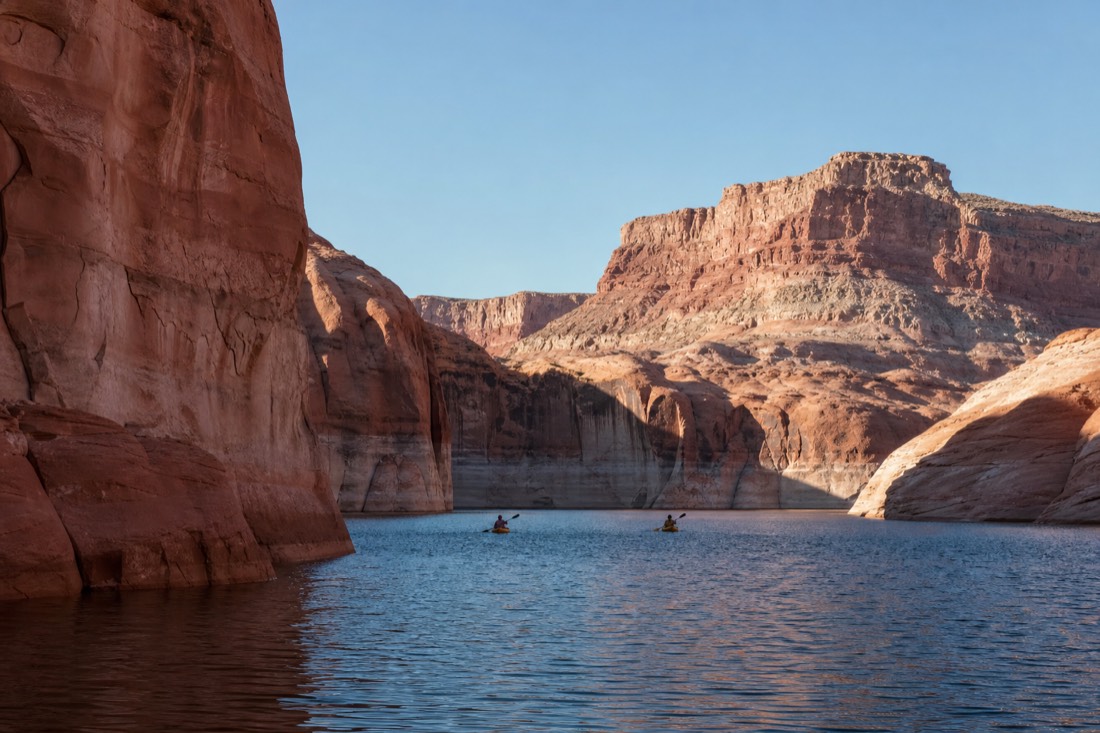
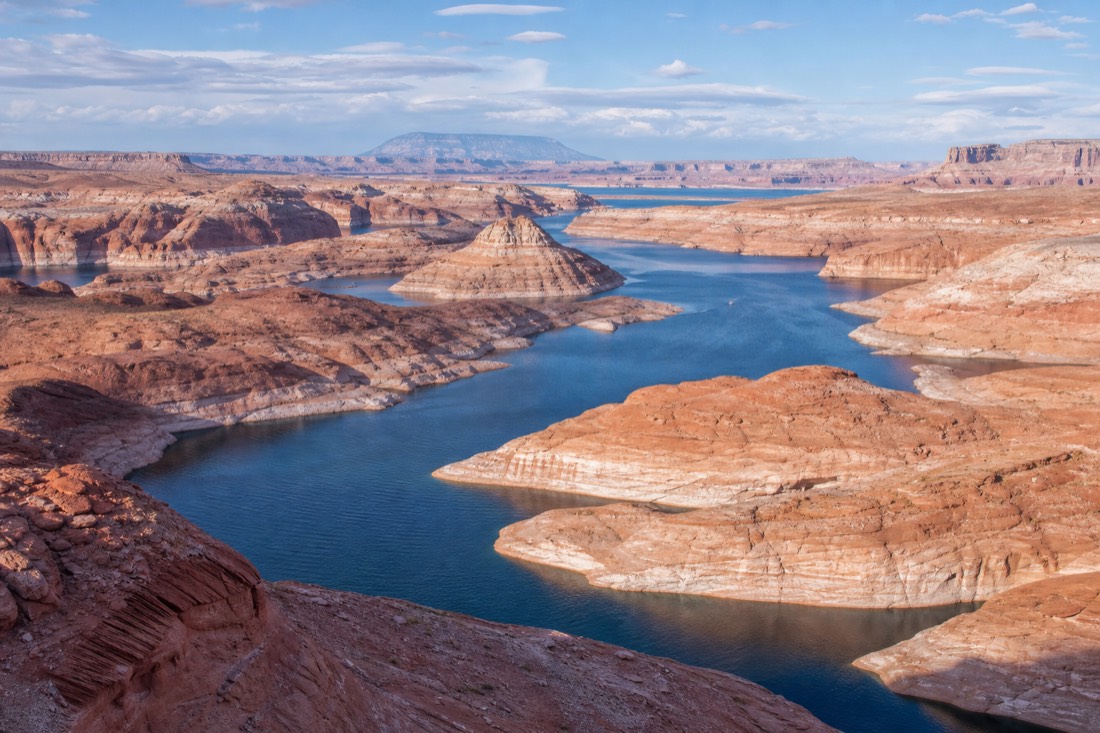
Get on the water. From Antelope Point or Wahweap you can kayak, rent a boat, or cruise, and the signature trip is paddling into the lake side of Antelope Canyon itself, where the slot's drowned lower end rises straight from the water. The guided kayak-and-hike version runs about four hours, swim optional.
This is the Page experience most first-timers do not know exists. The same canyon system everyone photographs from inside continues down to Lake Powell, and from a kayak the walls come up out of blue water instead of sand. It is not a substitute for the Navajo-guided slot walk, and I would never sell it as one; it is the other half of the same landscape, on NPS Glen Canyon water, no tribal permit involved, sunscreen mandatory.
Going guided solves the real problems: craft, route-finding on open water, and reading the weather, which on the lake means wind as much as rain. The established option is the kayak-and-hike trip from the kayak and boat page, rated 4.7 across 48 Viator reviews; check live availability and prices on Viator if the water half tempts you. Confident paddlers with their own logistics launch from Antelope Point, and the marina question, whether the ramps are usable at current water levels, changes with the lake, so check current conditions before hauling a boat.
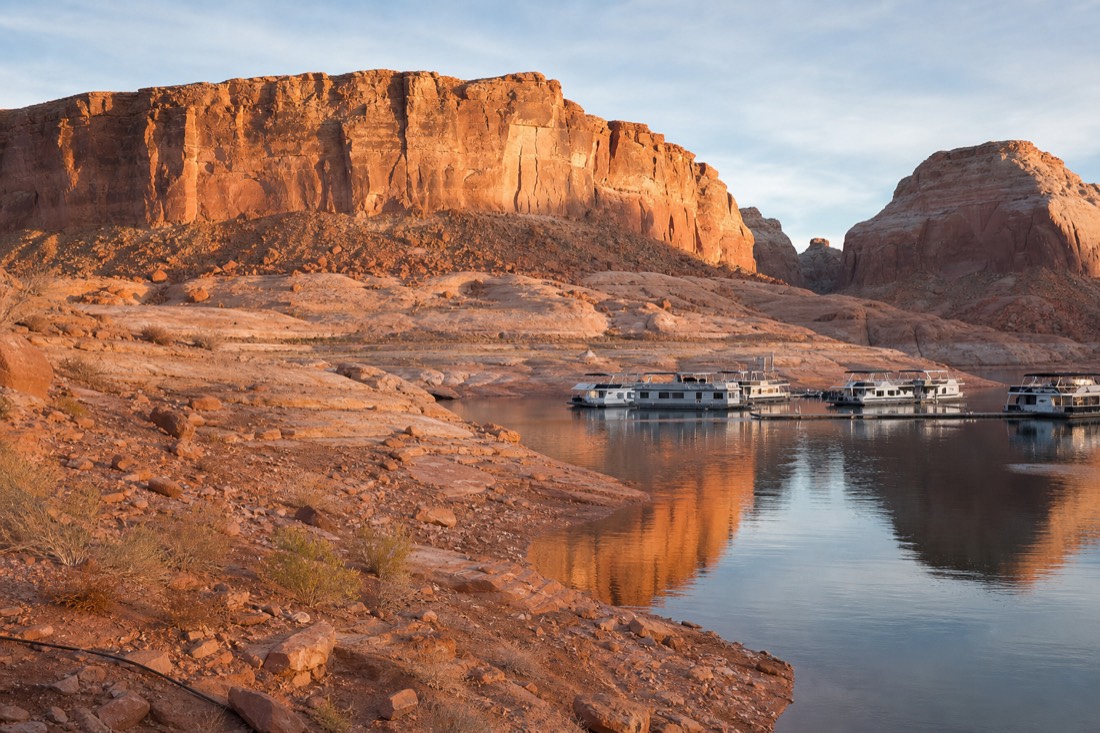
Beyond the paddle, Wahweap runs boat rentals and scenic cruising, and houseboats remain the lake's iconic vacation. Those are trips of their own; for a Page day, the four-hour kayak window is the one that fits.
What are the free and cheap stops?
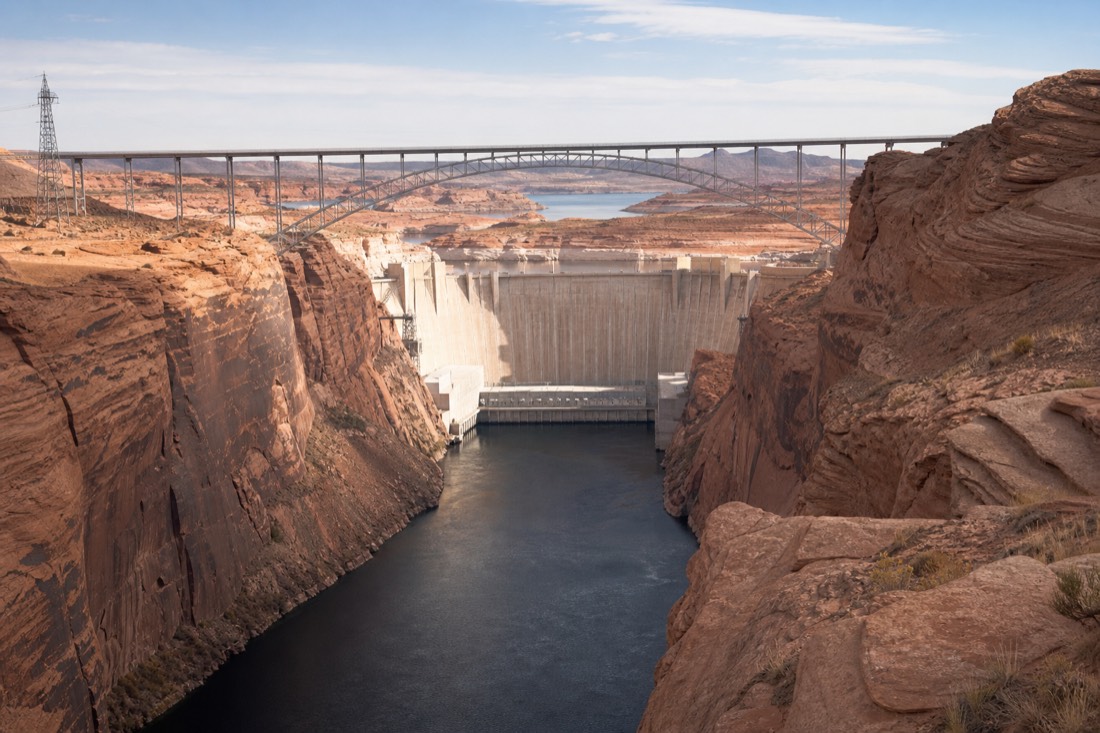
Four good ones. The Glen Canyon Dam overlook stares straight down the gorge at the dam and bridge, free, thirty minutes. The Wahweap viewpoint gives the classic lake panorama. The Rim Trail loops the edge of Page's mesa with lake views the whole way. Hanging Garden is a short walk to a fern-draped seep in bare sandstone.
The dam overlook is the sleeper. A short scramble down slickrock steps off Scenic View Road and you are on a rim looking at the 700-foot wall of Glen Canyon Dam holding back the lake, the Colorado threading out beneath the highway bridge. Free, rarely crowded, and it makes the whole plumbing of this landscape make sense in one view.
Hanging Garden earns its spot for contrast. A roughly mile-round-trip walk over bare sandstone ends at a shaded alcove where a natural seep keeps a wall of ferns alive in the desert. Kids do fine on it, mornings beat afternoons in summer, and it sits just off the highway near the dam, easy to stack with the overlook.
The Rim Trail is Page's own edge: a mostly flat path tracing the mesa rim above the golf course with long views to the lake and Navajo Mountain. Locals run it at dawn. Visitors with a spare 60-90 minutes get the town's best free scenery and, in my experience talking with guests, remember it more warmly than anything that cost money that day. Sunset from the west-facing stretches, or from the Wahweap viewpoint north of town, closes a Page day properly.
How should you plan one full day in Page?
Anchor the day on your slot-canyon entry time, then wrap the flexible stops around it: Hanging Garden or the Rim Trail early, the canyon midday, Horseshoe Bend late afternoon, the dam overlook on the way, sunset over the lake. The kayak trip needs its own half day; give it a second morning if you have one.
A one-day plan that runs on a midday canyon slot:
| Time block | Move |
|---|---|
| Early morning | Hanging Garden walk, then the dam overlook, both free |
| Late morning | Check in early for the canyon entry |
| Midday | Navajo-guided slot walk, about an hour inside |
| Early afternoon | Lunch in town on the boulevard |
| Late afternoon | Horseshoe Bend as the light warms |
| Sunset | Wahweap viewpoint over the lake |
That day is honest, not heroic: nothing in it overlaps, every drive is minutes, and only the canyon runs on a booked clock. It also shows why the standard advice in the where-to-stay guide is a night in town. Day-trippers from Flagstaff or Vegas can salvage maybe half of this; a Page overnight buys the whole list plus the morning kayak the next day.
With two days, split the land day from the water day. Day one as above. Day two, the four-hour kayak to the canyon's lake side in the morning while the water is calm, then an unhurried drive out. Families should note the kayak trip's physical ask is real but moderate, and the what-it-costs guide totals a two-day Page stop honestly, permits, parking fees and all.
When do Page's attractions work best?
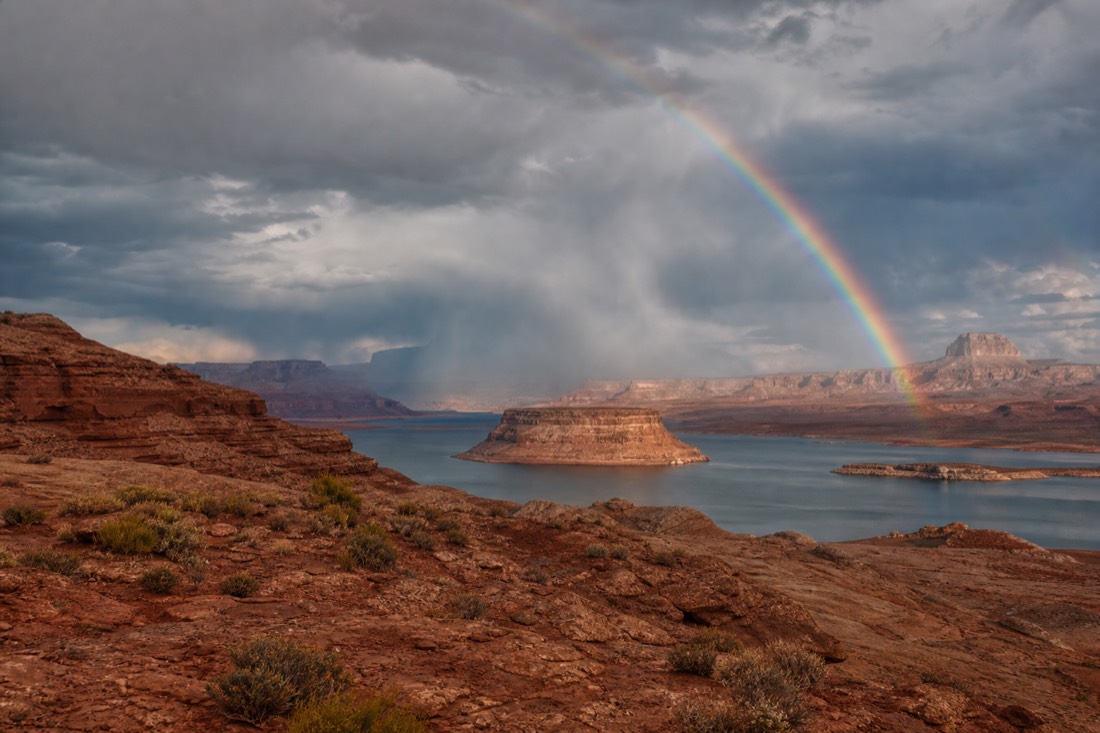
Spring and fall are prime for everything at once: mild trail weather, workable water, full canyon light. Summer is lake season with monsoon caveats from July into September, when storms can cancel canyon entries and push wind onto the water. Winter empties the overlooks beautifully and leaves the lake to the hardy.
The seasonal grid for the non-canyon menu:
| Season | Trails and overlooks | The water |
|---|---|---|
| Mar-May | Ideal, wildflower edges, mild sun | Cool water, calm mornings, kayaking begins |
| Jun-Sep | Go early, real heat by midday | Peak lake season; monsoon wind and storms need respect |
| Oct | Prime again, warm days, cool nights | Water still pleasant, crowds fading |
| Nov-Feb | Quiet, cold mornings, superb light | Mostly boaters only; some services reduced |
Monsoon season deserves the same respect out here that it gets in the slots. I grew up with this weather on Navajo land: the storm you see across the lake can drop wind on your kayak long before rain, and the same cells cancel canyon entries with refunds governed by the booked product’s terms. Summer visitors should front-load water activities into the morning and keep afternoons loose.
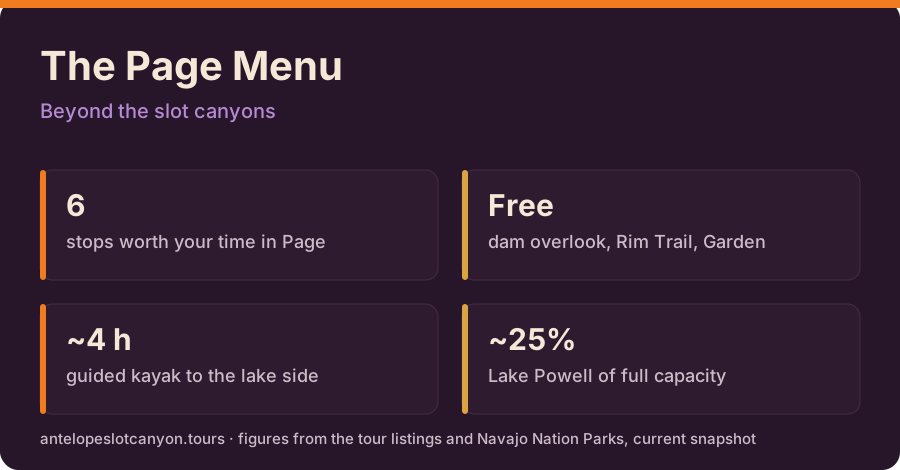
One more layer moves slower than the weather: the lake itself. Lake Powell has been running far below full pool for years, which reshapes shorelines, ramp access and where the pretty water sits. It has not made the lake less worth visiting, but it makes checking current conditions part of planning any water day. The numbers below tell that story plainly.
How do you plan Page with a half day, a full day, or two days?
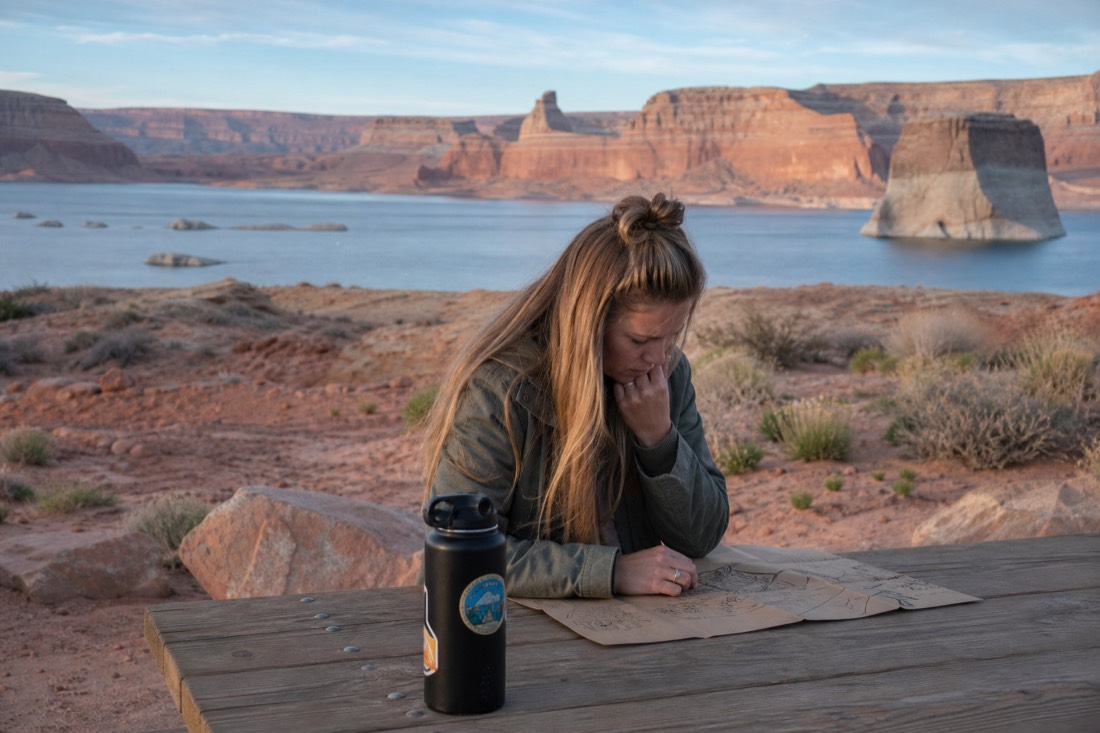
A half day fits the canyon slot plus Horseshoe Bend and nothing else. A full day adds the free overlooks, a proper lunch and a lake sunset. Two days split land from water: the canyon and the bend on day one, the four-hour kayak on the calm morning of day two. Anything longer is a lake vacation.
The one-day plan earlier in this guide is the full-day column below. Most visitors are actually working with less or more than that, so here is the same menu cut three ways, each built around a booked canyon slot.
| Block | Half day, midday slot | Full day | Two days |
|---|---|---|---|
| Early morning | Drive in from wherever you slept | Hanging Garden, then the dam overlook, both free | Day 1 as the full day; Day 2 the kayak launch while the water is calm |
| Late morning | Check in 45-60 minutes ahead | Check in early | Day 2: on the water, paddling into the canyon's lake side |
| Midday | Navajo-guided slot walk, about an hour | Same | Day 2: still on the water; the trip runs about four hours, swim optional |
| Early afternoon | Horseshoe Bend, then leave town | Lunch on the boulevard | Day 2: late lunch in town |
| Late afternoon | On the road home | Horseshoe Bend as the light warms | Day 2: Rim Trail or Wahweap viewpoint, or drive on |
| Sunset | Missed | Wahweap viewpoint over the lake | Day 1 sunset at Wahweap; Day 2 sunset wherever you land next |
| What you skip | Every free stop, the lake, any calm | The water | Nothing on this menu |
The half-day column is the one most day-trippers from Flagstaff or Las Vegas actually live, and it is fine, but see how much of the free menu it drops. The full day costs one night in town and gives you all of it; the where-to-stay guide sorts the beds. If you have not locked the canyon half yet, the Lower Antelope walk is the classic first booking; check live availability and prices on GetYourGuide before you shape the rest of the day around it.
The two-day column is where Page stops being a stopover. Give the water its own morning; do not try to bolt the kayak onto the canyon afternoon, because it is a four-hour trip on open water and it wants the calm early hours.
Which Page attractions are free, and which cost money?
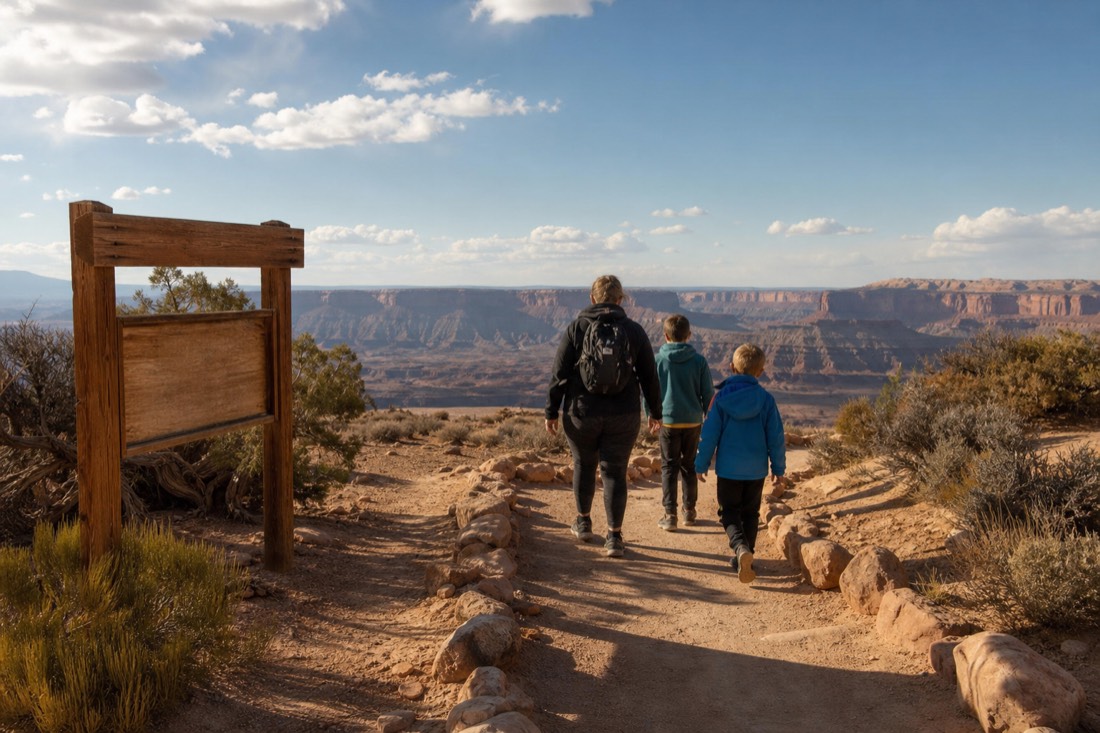
Free: the Glen Canyon Dam overlook, the Rim Trail and Hanging Garden. Pay to park: Horseshoe Bend, per vehicle. Pay to enter: the Wahweap and Antelope Point areas inside the recreation area. Pay and book: the slot canyons, with the $15 Navajo permit, and the kayak. Half the menu costs nothing at all.
The first table in this guide lists times and costs together. This one sorts by what your wallet has to do, because that is how people build a Page day on a budget, and because two different governments and a tribal park take payment here.
| Tier | Attraction | Who takes the money | Booking needed |
|---|---|---|---|
| Free | Glen Canyon Dam overlook | Nobody | No |
| Free | Rim Trail around the mesa | Nobody | No |
| Free | Hanging Garden trail | Nobody | No |
| Parking only | Horseshoe Bend overlook | City of Page, per vehicle at the lot | No |
| Entrance | Wahweap viewpoint and marina | National Park Service, recreation-area entrance | No |
| Entrance | Antelope Point marina and shoreline | National Park Service, recreation-area entrance | No, unless you rent a boat |
| Ticket plus permit | Any slot canyon section | Authorized Navajo operator; the $15 per person, per location, per day permit goes to the tribe | Yes, timed entry with a Navajo guide |
| Ticket | Kayak-and-hike to the canyon's lake side | The tour operator, on NPS water, no tribal permit | Yes |
| Rental | Boat or houseboat from Wahweap | The marina concession | Yes, and well ahead in season |
Two clarifications keep people from being surprised. Horseshoe Bend charges per vehicle, not per person, so a full car pays once. And the Navajo permit is a real, separate line: some listings fold it into the ticket price, the Upper Antelope entry on GetYourGuide among them, while others collect it alongside. The money supports conservation and safety on tribal park land under Navajo Nation Parks and Recreation, and the tickets and cost guide shows how each product handles it.
If the budget is tight, the honest play is one paid thing done well and the free tier done fully: the slot canyon, then the dam overlook, Hanging Garden and the Rim Trail, with sunset from the mesa edge. That is a complete Page day for the price of one ticket, one permit and a tank of fuel.
What does Lake Powell's low water mean for your lake day?
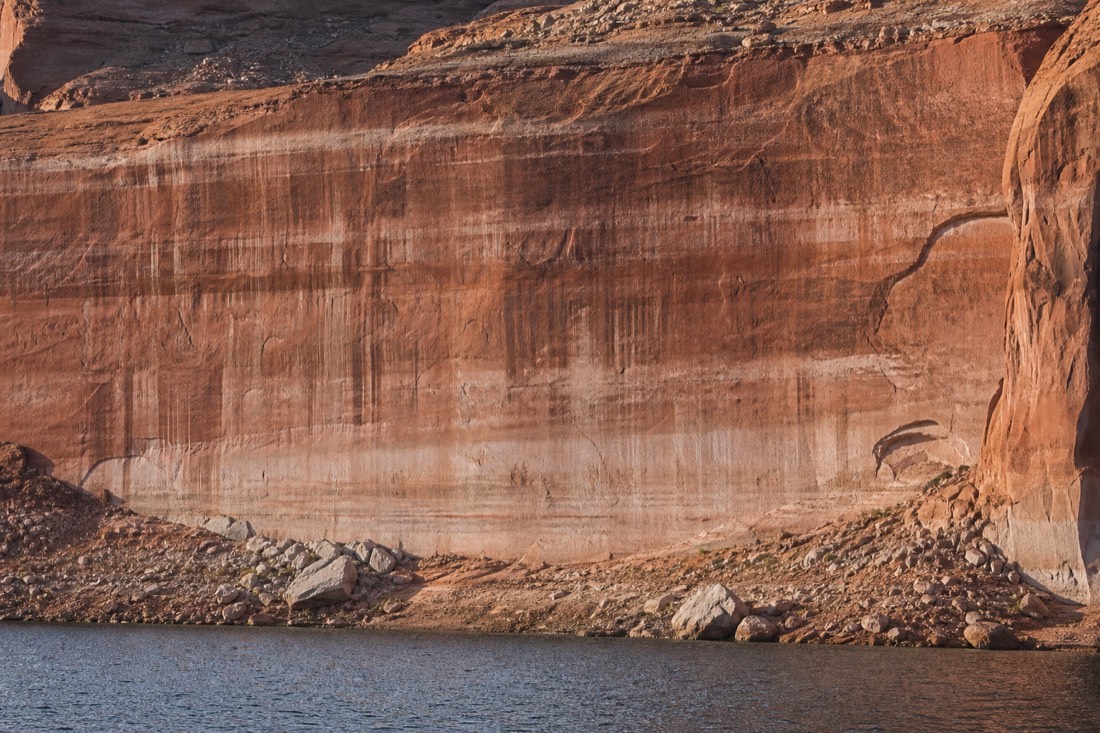
The lake sat near 3,524 feet in early July 2026, roughly a quarter full and about 170 feet below its full pool of 3,700 feet, with projections drifting a few feet lower by year's end. It is still worth your time; what moves is where the water is, which ramps work, and how far you walk to reach it.
Visitors arrive with a mental picture of Lake Powell from photographs taken when it was far fuller, then meet the pale mineral ring high on the cliffs and wonder what happened. Nothing sudden: the lake has been running well below full pool for years. Here is what the current numbers are and what each one means on the ground.
| Measure | Current picture | What it means for you |
|---|---|---|
| Surface elevation | About 3,524 feet in early July 2026 | The shoreline sits far below the marinas' original design lines |
| Full pool | 3,700 feet | The pale ring you see is roughly the 170-foot gap |
| How full | About 24-27 percent of capacity; end-of-June storage around 24 percent | A narrower, deeper-feeling lake in the main channel |
| Trend | Projections near 3,516 feet, about 22 percent, by the end of the 2026 water year | Conditions you read about last season may already be stale |
| Ramps and launches | Shift with the level | Check current NPS conditions before towing a boat to Antelope Point or Wahweap |
| The canyon's lake side | Walls rise from the water at whatever the level is | Ask the operator which route is running at current levels; the paddle and any hike portion change with the water |
| Shoreline access and swimming | Longer walks to the water in places | Bring shoes for slickrock and sand, and more water than you think |
The practical reading is simple. Do not cancel the lake, but do check the day-of information from the National Park Service for Glen Canyon before any water plan, and lean on the guided kayak trip rather than improvising, because the operator already knows which launch is working this month. Wind matters more than depth for a paddler; a low lake is still a big lake.
There is a bigger picture behind the numbers, and I would not pretend otherwise. This is Colorado River water shared across the whole Southwest, and the levels are a story about drought and demand, not just a boating footnote. The Lake Powell day guide goes into what a low-water visit actually looks like from the marina.
How does Daniel ask visitors to treat Navajo land around Page?
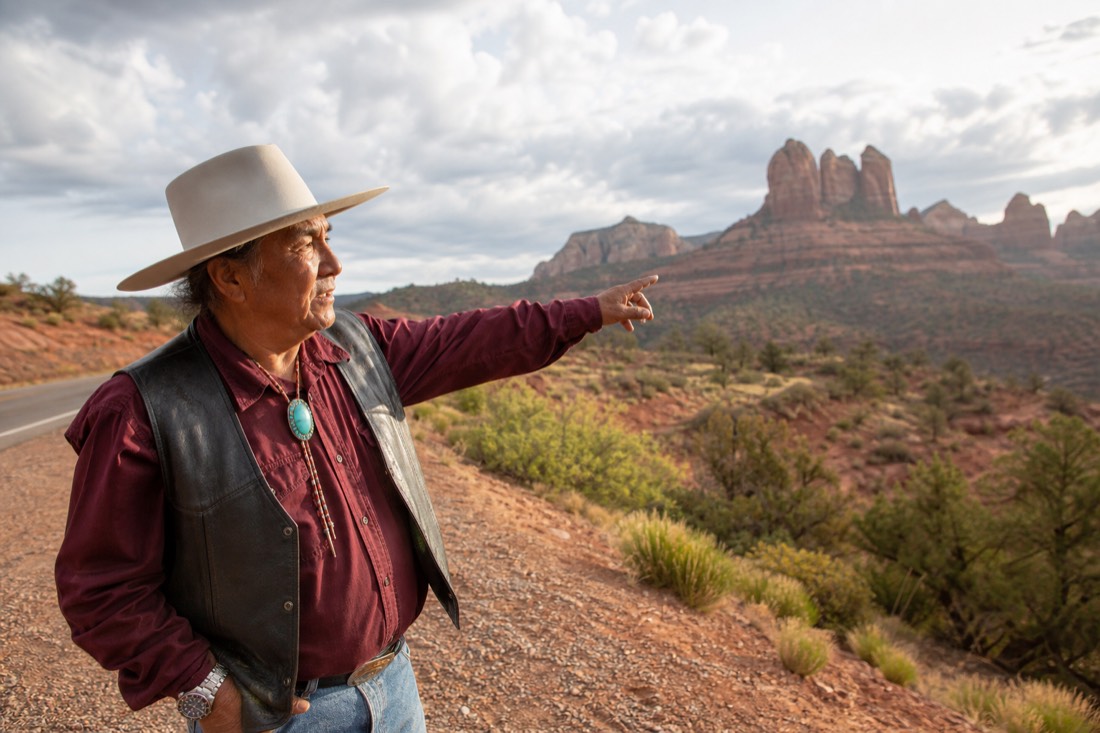
Stay with your guide, keep your hands off the walls, ask before photographing people, leave the drone and the alcohol at home, and drive the reservation highways as if someone's livestock is around the next bend. The canyons are a sacred, working landscape that Navajo families look after; the $15 permit is your share of that.
I guide on Navajo land in Monument Valley, a few hours east of Page, and I have not walked Antelope Canyon myself, so what follows is not a review of the walk. It is what I tell every guest before they set foot on any tribal park, and it applies to the canyon country east of town exactly as it does to mine.
| Ask | Why it matters here | The rule behind it |
|---|---|---|
| Stay with the guide, follow instructions | The slots are guided-only for safety and for the site itself; a wandering visitor is a hazard | Navajo Nation Parks and Recreation access rules |
| No climbing, no touching, no wandering off | The sandstone scars easily and the canyons are sacred ground, not a playground | Guide instruction; sacred-site protocol |
| Ask before photographing people | Guides and residents are not scenery | Respect no-photo requests when made |
| No drones | Prohibited across Navajo Nation land, canyon country included | Tribal rule |
| No alcohol | Prohibited on Navajo Nation land | Tribal rule |
| Buy from the roadside stands and trading posts if you stop | Reservation livelihoods, not props | Ordinary courtesy |
| Drive US-89 and Highway 98 with care | Working roads for reservation communities; livestock near the roadway | Local reality |
| Pay the permit without grumbling | $15 per person, per location, per day supports conservation and safety on tribal park land | Navajo Nation Parks and Recreation |
Two of those rows are the ones I see travelers stumble on weekly. The photograph one: people are used to shooting anything, and a Navajo guide asking you not to point a phone at them is not being difficult, they are being a person. And the roads: the highway to Page crosses grazing land, and I have watched more than one rental car come around a bend hot into a herd. Slow down; the desert will still be there.
None of this is meant to make you anxious. Page and the canyons welcome millions of people a year and the guides you walk with grew up here and are proud to show it. Arizona's tourism office puts the same message plainly in its guide to visiting the canyon the right way. Come as a guest and you will be treated as one.
How many days does Page deserve?
Two is the sweet spot: one for the slot canyon, Horseshoe Bend and the free overlooks, one for the lake. A single well-planned day covers the land highlights if your canyon slot lands midday. Beyond two days you are into houseboat and Grand Staircase territory, which is its own trip.
Can you swim in Lake Powell near Page?
Yes, in season; the guided kayak trip even lists its swim stop as optional. Developed access near town runs through the Wahweap and Antelope Point areas inside the recreation area, and conditions shift with the lake's level, so check current NPS guidance for where access is open.
Is anything in Page free?
Plenty. The Glen Canyon Dam overlook, the Rim Trail and Hanging Garden cost nothing, and sunset from the Wahweap viewpoint costs only the recreation-area entrance if you go in that gate. Horseshoe Bend charges parking per vehicle, not per person.
Do these attractions close in monsoon weather?
The slot canyons cancel decisively for flash-flood risk, and refunds depend on the booked product’s terms. The overlooks and trails close only in the worst weather, though lightning on exposed rims is its own reason to wait an hour. Water activities watch wind as much as rain.
Your next booking step
Antelope kayak and hike
Have a travel date in mind? Four hours combining Lake Powell paddling and a walk into Water Antelope Canyon. Kayak, paddle, life jacket and dry bag supplied. Check the date before arranging the rest of this part of your trip.
General starting point — confirm the exact party and date
Select a date to load the Viator schedule. Availability and final price are confirmed on Viator.
Check dates for Antelope kayak and hike
Use the launch location in your confirmation; arrive 30 minutes early. Return paddle to the launch. Choose the four-hour kayak-and-hike option. Ages 5+; bring water and food. National Park Pass and tips extra. Not Upper or Lower; not recommended during pregnancy or with spinal/cardiovascular conditions.
Compare routes, adjust your plan & budget
Horseshoe Bend, Lake Powell and Antelope Point, the Glen Canyon Dam overlook, Wahweap's viewpoints, the Rim Trail and Hanging Garden: what each costs, how long it takes, and how to stack a day. These are different experiences, not interchangeable admission tickets. All listed guiding is in English.
Four hours combining Lake Powell paddling and a walk into Water Antelope Canyon. Kayak, paddle, life jacket and dry bag supplied. 240 minutes; English; from Page. Use the launch location in your confirmation; arrive 30 minutes early. Return paddle to the launch. Choose the four-hour kayak-and-hike option. Ages 5+; bring water and food. National Park Pass and tips extra. Not Upper or Lower; not recommended during pregnancy or with spinal/cardiovascular conditions.
Secret Antelope Canyon and a Horseshoe Bend overlook in a three-hour trip, with 4×4 transport. 180 minutes; English; from Page. Deer Spring Canyon Tours, 821 US-89, Page, by Subway/Burger King; return to the same base. Ages 6+, maximum 12; moderate fitness. Navajo permit extra on Viator. Not recommended during pregnancy or with spinal injuries.
A timed walk among Lower’s sculpted walls, with entry and the Navajo permit included. 60 minutes; English; from Page. Ken’s Tours, Lower entrance; arrive 30 minutes early. Return to the same site. Steel stairs and narrow passages; no bags or tripods. Not recommended during pregnancy or with spinal/cardiovascular conditions. Customer cancellation: full refund at least 24 hours before departure; reconfirm at checkout.
Affiliate links: we may earn a commission at no extra cost to you. Schedule dates are not confirmed seats.