Is Antelope Canyon a National Park? (No, and It Changes Everything)
Antelope Canyon is a Navajo Tribal Park on Navajo Nation land, not a national park. That means no America the Beautiful pass, guided-only entry, a $15 tribal permit, and rules the NPS never wrote.
 By Daniel Begay, Navajo guide & Southwest canyon specialist
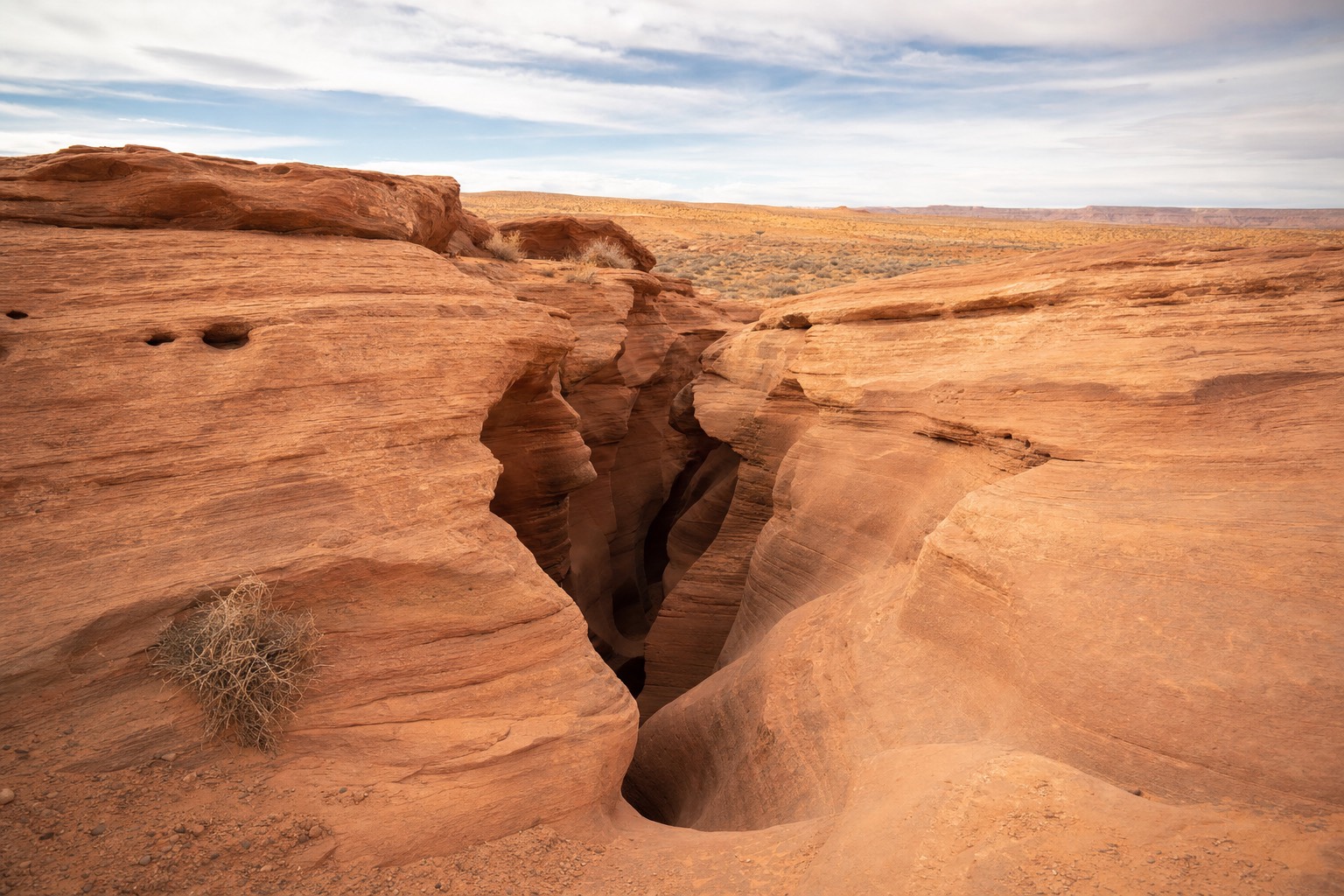
People hand me their America the Beautiful pass with real confidence, and I have to tell them the same thing every time: that card has no power here. I guide on Navajo land, and the single most common misunderstanding I meet is the assumption that every famous landscape in the Southwest belongs to the National Park Service. Antelope Canyon does not. It never has. The canyon sits on sovereign Navajo Nation land, and that one fact rewrites every rule you think you know about visiting.
Quick take: Antelope Canyon is a Navajo Tribal Park on Navajo Nation land near Page, in the LeChee Chapter community, managed through Navajo Parks and Recreation. The NPS has no role. Federal park passes do not apply, entry is guided-only with authorized Navajo operators, and every visitor pays a $15 tribal permit that goes to the Navajo Nation, not Washington.
Is Antelope Canyon part of the National Park System?
No. Antelope Canyon is not a national park, a national monument, or any NPS unit. It is a Navajo Tribal Park on Navajo Nation land, administered through Navajo Parks and Recreation. The nation's park system exists in parallel to the federal one, with its own permits, fees, rules, and rangers.
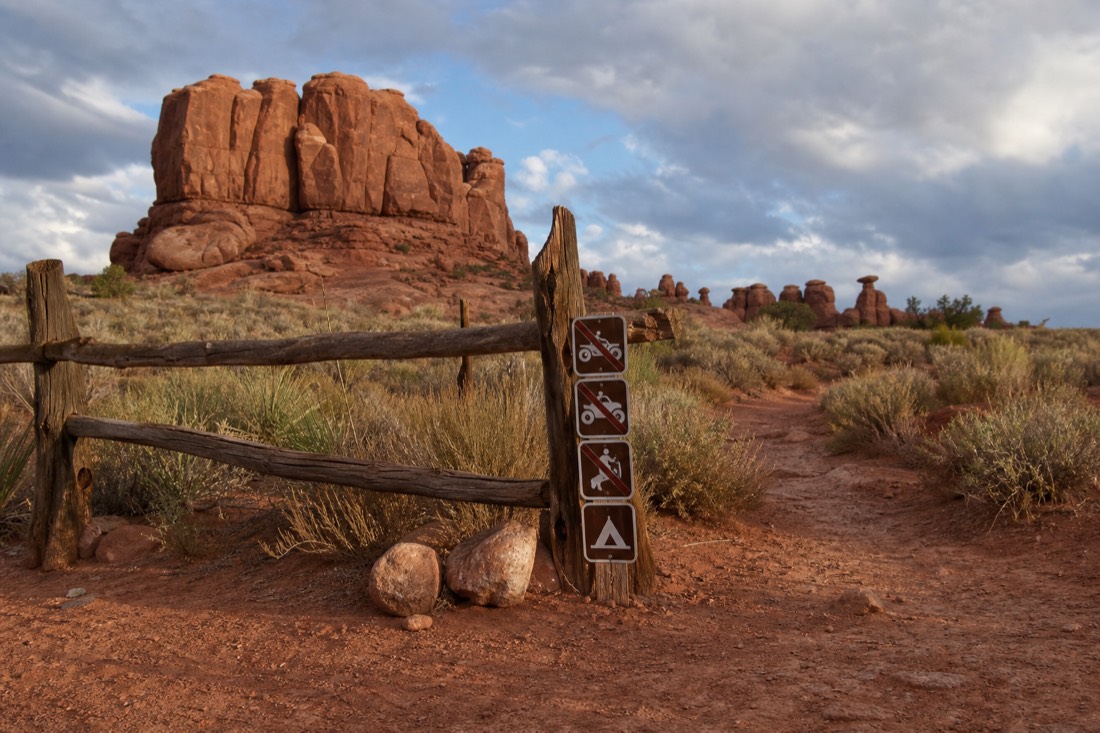
The confusion is understandable. The canyon shows up on the same postcards as Grand Canyon and Zion, sits twenty minutes from a National Recreation Area, and photographs like the flagship of any park system on Earth. But the land under it belongs to the Navajo Nation, a sovereign nation with its own government, and Navajo Nation Parks and Recreation manages it the way the NPS manages Yosemite.
I work inside this system daily at Monument Valley, which is also a Navajo Tribal Park and not a national park, despite being one of the most photographed places in America. The tribal park network is real, professional, and busy: Monument Valley alone drew nearly 525,000 visitors in 2024. Antelope Canyon runs on the same model, just in slot-canyon form.
Who actually runs the canyon day to day?
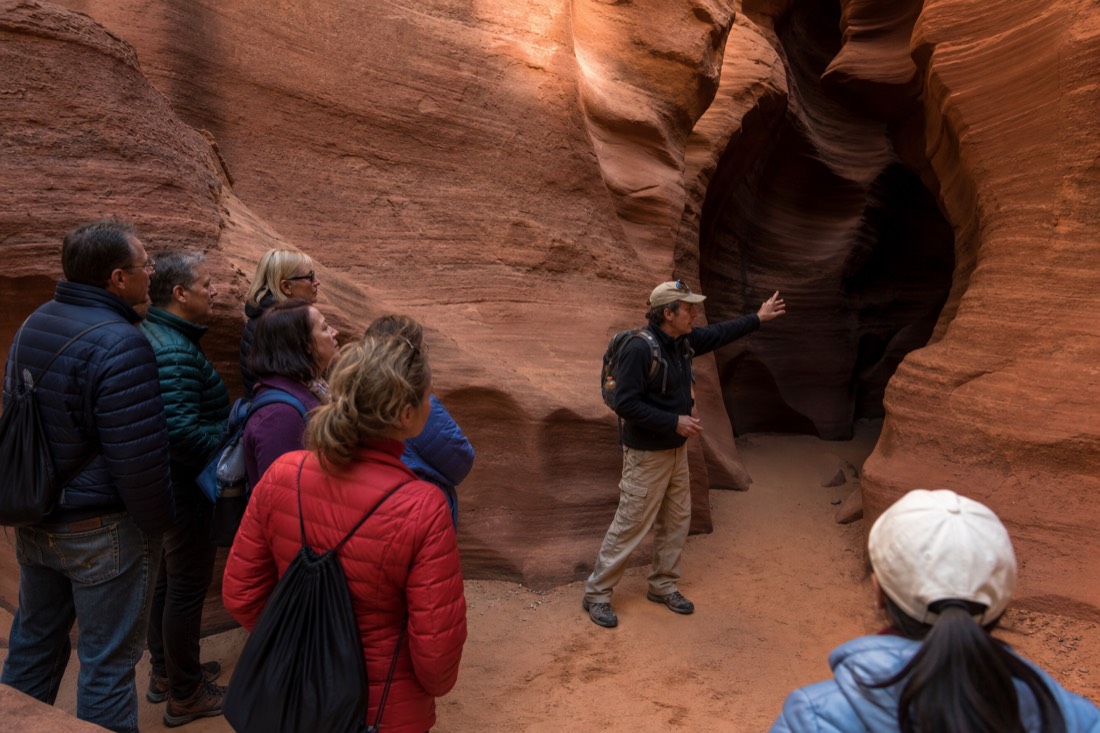
Navajo Parks and Recreation holds authority, and the canyon sits within the LeChee Chapter, the local Navajo community near Page. Actual tours run through authorized Navajo-owned operators, currently six companies holding permits. Your guide, the fee you pay, and the rules you follow all flow through the Navajo Nation.
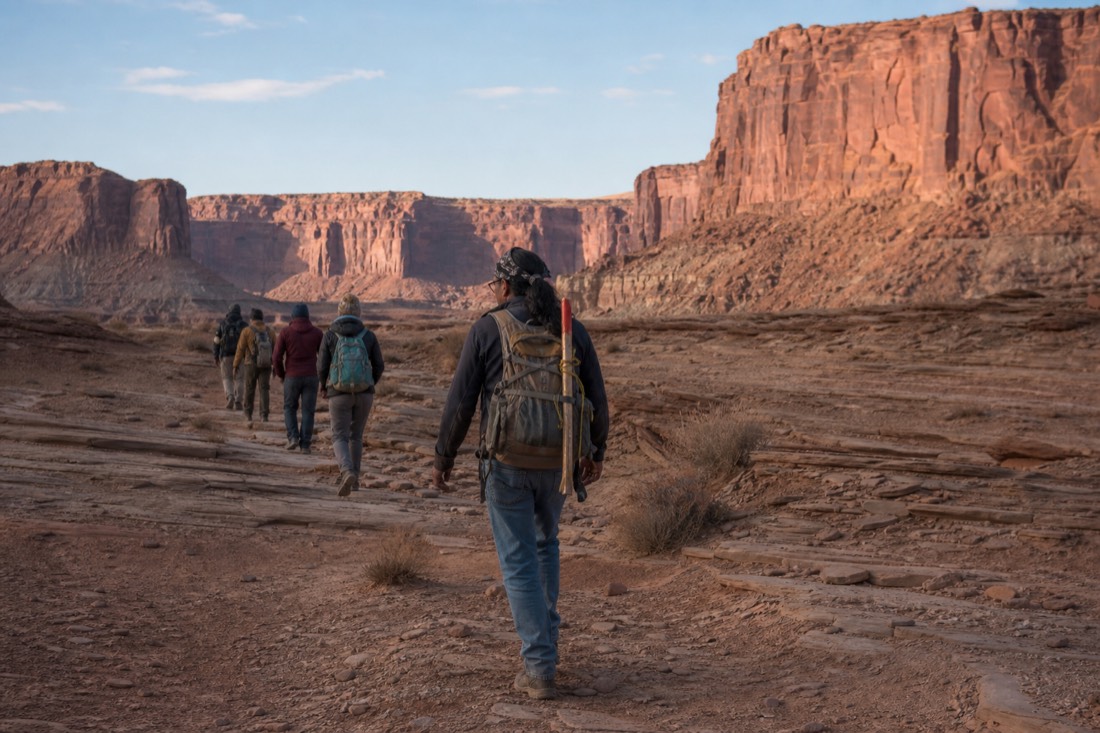
Chapters are the local unit of Navajo government, something like a county and a town council in one, and LeChee is the chapter whose land holds the canyon. That local layer matters: the families guiding you often have generational ties to this specific ground, which is a different relationship than a seasonal ranger posting.
The operator system is the practical face of it. The official operator roster for the canyon is the source of truth for who may take visitors in, and every legitimate booking, whether made directly or through a platform, ends with one of those permitted companies. The mechanics of slots and sellouts are their own subject, covered in the reservations rundown.
Does your America the Beautiful pass work at Antelope Canyon?
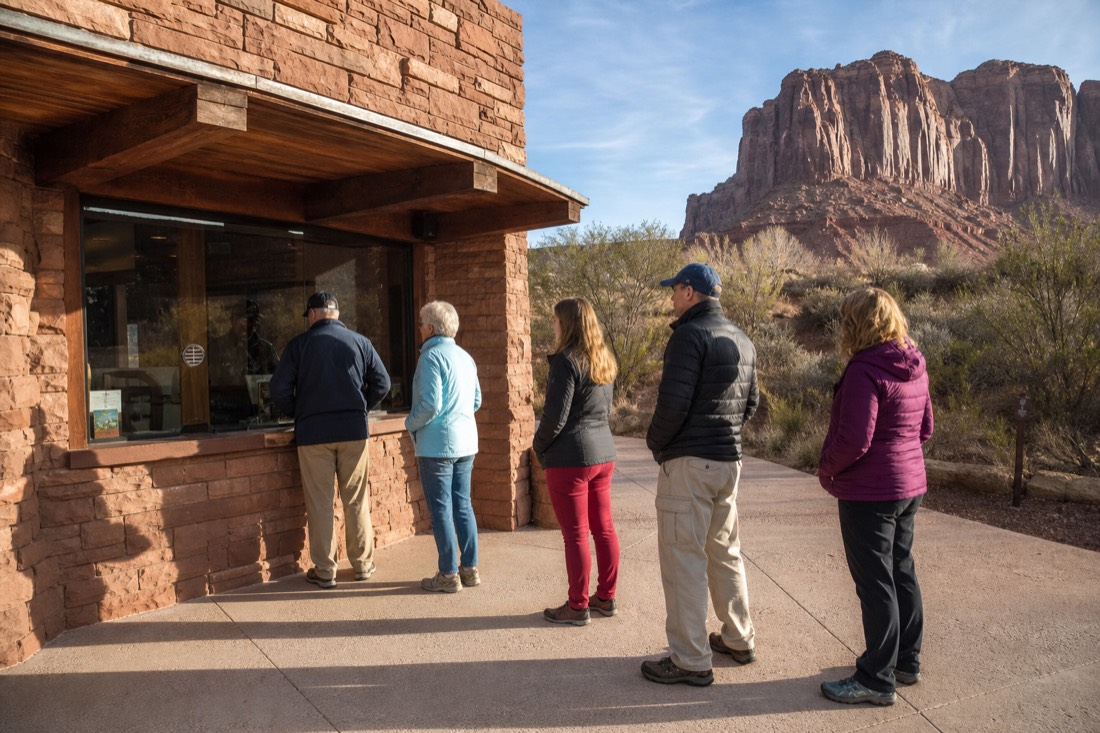
No. The federal annual pass covers NPS sites, national forests, and other federal fee areas. It has zero standing on Navajo Nation land. Everyone entering the canyon pays the $15 per person, per location, per day Navajo Nation fee, and no federal, senior, military, or access pass changes that.
Here is where each pass and payment actually applies around Page.
| What you hold | Antelope Canyon | Glen Canyon NRA (Lake Powell) | Grand Canyon NP |
|---|---|---|---|
| America the Beautiful pass | Not valid | Covers entry | Covers entry |
| Navajo Nation $15 permit | Required, per location per day | Not applicable | Not applicable |
| Tour ticket with permit bundled | Some listings include it | Not applicable | Not applicable |
| Horseshoe Bend parking | Separate City of Page fee | Overlook is city-managed parking | Not applicable |
Two details save people money and surprise. First, the $15 fee is per location per day, so pairing two canyon sections in one day pays it twice. Second, some listings bundle the permit into the ticket price while most add it on top, and the inclusions line on the listing tells you which before you pay.
Why is access guided-only when national parks let you roam?
Because the Navajo Nation decided it should be. The canyon is a sacred place, a fragile one, and a lethal one in flood: a 1997 flash flood in the Lower section killed 11 people. Guided-only access protects visitors, protects the site, and keeps tour revenue and permit fees supporting the Navajo Nation.
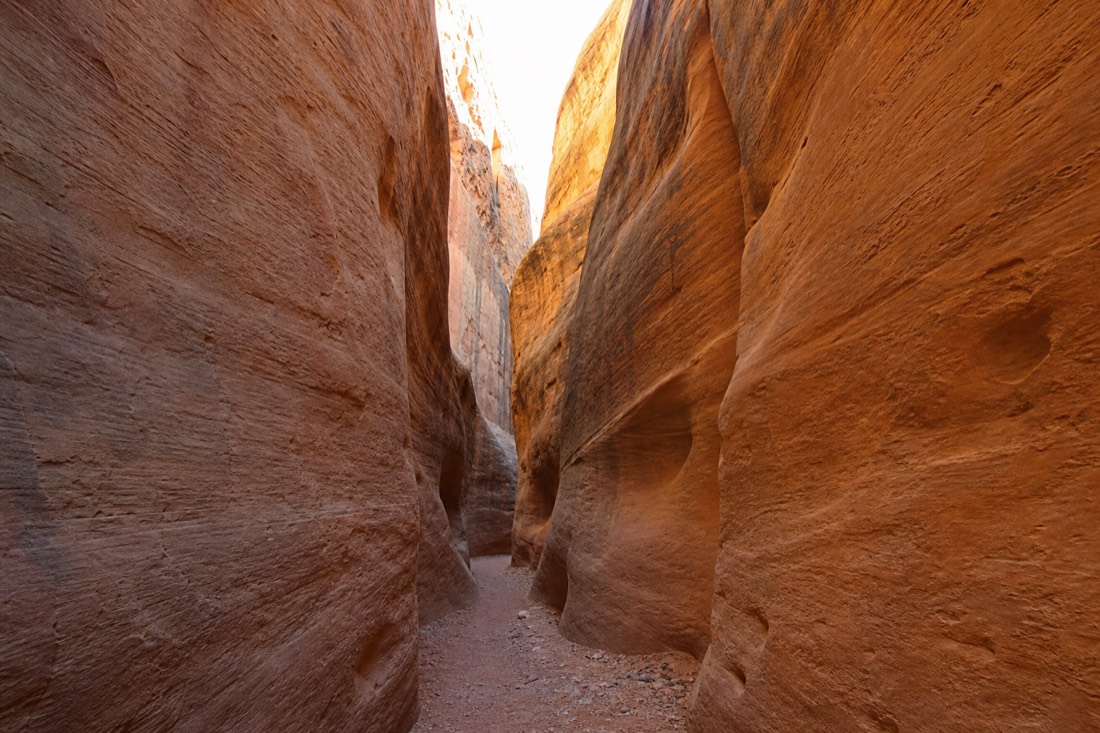
In an NPS park you can usually walk in on your own two feet, take your chances, and answer to a ranger only if you break something. Tribal park rules run differently, and the difference is not bureaucracy. A slot canyon floods with rain that falls miles upstream under a clear local sky, which is why every walk moves with a guide reading weather you cannot see. The economics differ too: your fee and tour dollars stay with the nation and the local families who hold the permits, rather than a federal budget line.
There is no self-guided loophole, no backcountry permit workaround, and drones and alcohol are prohibited across Navajo Nation land. Anyone selling an unguided route in is selling trouble, a subject the without-a-tour guide treats at length.
Which real national park units sit next door?
Three big federal units ring the canyon: Glen Canyon National Recreation Area at Lake Powell, minutes from Page; Grand Canyon National Park about two hours southwest; and Zion National Park roughly two and a half hours west. Your federal pass works at all of them, which makes mixed itineraries cheap.
| NPS unit | Drive from Page | What it offers | Pass status |
|---|---|---|---|
| Glen Canyon NRA | Minutes | Lake Powell, kayak routes, marina access | America the Beautiful valid |
| Grand Canyon NP, South Rim | About 2 hours | The rim, the big views | America the Beautiful valid |
| Zion NP | About 2.5 hours | Canyon hiking, the Narrows | America the Beautiful valid |
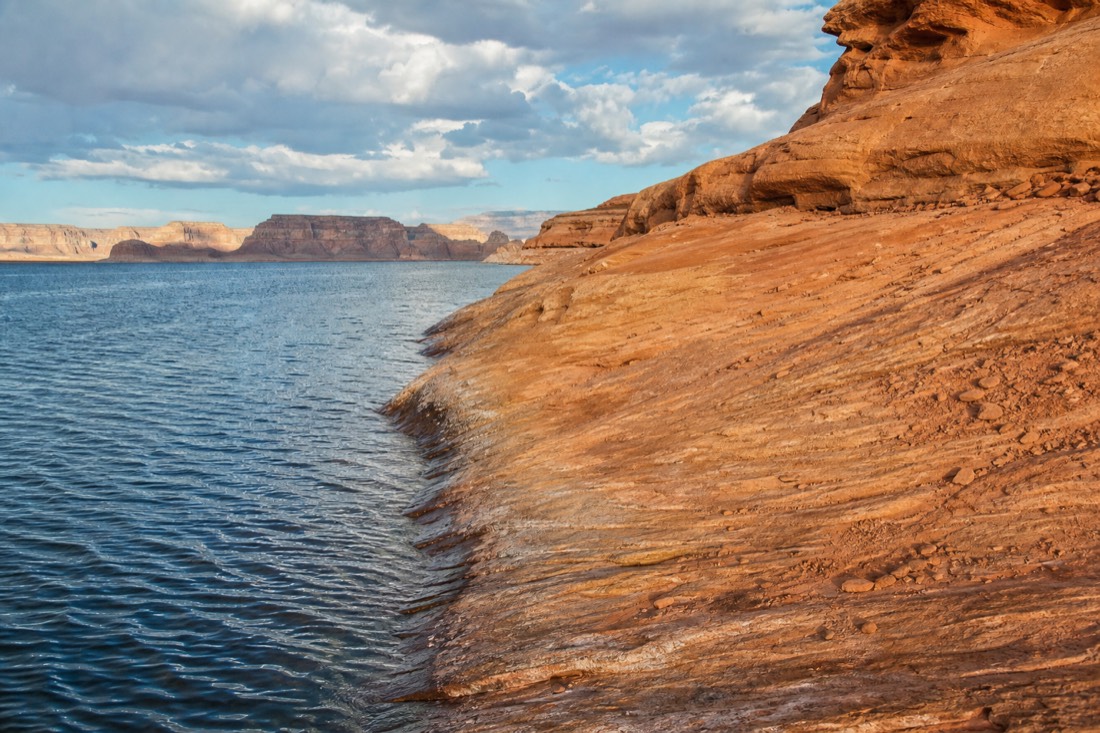
The neighbor that confuses people most is Glen Canyon National Recreation Area, because the water route to the canyon's lakeside mouth crosses NPS water. Kayak trips on Lake Powell operate under Glen Canyon's rules, not the tribal park's, which is why that one experience feels so different from the guided slot walks. Pairing the canyon with Grand Canyon is the classic road trip, and the Grand Canyon connection guide maps the drive.
What does the tribal-park status mean for your actual plans?
Practically: book a guided departure ahead of time, budget the $15 permit per person, leave the federal pass logic at the boundary, and treat guide instructions as law. The upside is real. Your visit funds the Navajo Nation directly, and the guiding culture is the best part of the day.
Here is the whole contrast in one table, the version I wish every visitor read before arriving.
| Question | Navajo Tribal Park (Antelope Canyon) | Typical national park |
|---|---|---|
| Who manages it | Navajo Parks and Recreation | National Park Service |
| Entry style | Guided-only, authorized operators | Mostly self-guided |
| Entry fee | $15 per person, per location, per day | Per-vehicle or per-person federal fee |
| Federal passes | Not valid | Valid |
| Where money goes | Navajo Nation | Federal park system |
| Reservations | Fixed tour slots, hard capacity | Varies, often none |
Choosing which section to book is the fun part of the homework. If the crowds worry you more than the fame, my call is the quieter Canyon X walk, run under the same tribal permit system with far fewer people in the corridor, and you can check live availability and prices on GetYourGuide before the beam-season calendar tightens.
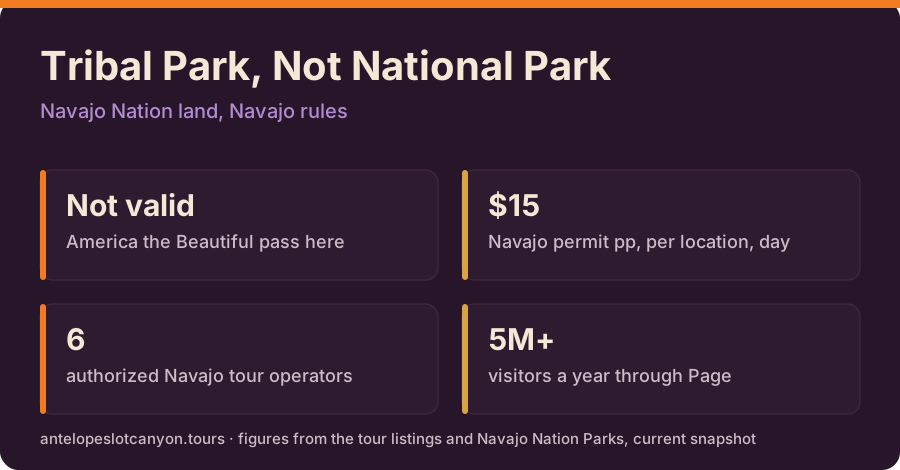
The national park question sounds like trivia until it decides your budget, your booking timeline, and your behavior at the gate. Get the land status right and everything else about this place starts making sense, including why it survived five million annual visitors' worth of attention with its silence intact.
Your next booking step
Lower Antelope with a Navajo guide
Have a travel date in mind? A timed walk among Lower’s sculpted walls, with entry and the Navajo permit included. Check the date before arranging the rest of this part of your trip.
General starting point — confirm the exact party and date
Select a date to load the Viator schedule. Availability and final price are confirmed on Viator.
Check dates for Lower Antelope with a Navajo guide
Ken’s Tours, Lower entrance; arrive 30 minutes early. Return to the same site. Steel stairs and narrow passages; no bags or tripods. Not recommended during pregnancy or with spinal/cardiovascular conditions. Customer cancellation: full refund at least 24 hours before departure; reconfirm at checkout.
Compare routes, adjust your plan & budget
Antelope Canyon is a Navajo Tribal Park on Navajo Nation land, not a national park. That means no America the Beautiful pass, guided-only entry, a $15 tribal permit, and rules the NPS never wrote. These are different experiences, not interchangeable admission tickets. All listed guiding is in English.
A timed walk among Lower’s sculpted walls, with entry and the Navajo permit included. 60 minutes; English; from Page. Ken’s Tours, Lower entrance; arrive 30 minutes early. Return to the same site. Steel stairs and narrow passages; no bags or tripods. Not recommended during pregnancy or with spinal/cardiovascular conditions. Customer cancellation: full refund at least 24 hours before departure; reconfirm at checkout.
Upper’s beam corridor with a Navajo guide; fees and taxes included. 80 minutes; English; from Page. Adventurous Antelope Canyon Tours, Highway 98; arrive 30 minutes early. Return to the same base. Ages 8+; moderate fitness. Sandy walking and the outdoor stair/hill exit; no guaranteed beams. Not recommended during pregnancy or with spinal/cardiovascular conditions. Customer cancellation: full refund at least 24 hours before departure; reconfirm at checkout.
Two Canyon X sections on Taadidiin’s guided hiking route. Choose the hiking option. 90 minutes; English; from Page. Taadidiin Tours, Highway 98; arrive 30 minutes early, using Arizona/Phoenix time. Return to the same site. Steep access trail. Permit is listed as included but the API’s old fee amount conflicts with current operator information; confirm the final total. Guide service fee extra. No tripod on hiking option. Nonrefundable for customer cancellation on Viator; read the exact weather-cancellation terms.
Affiliate links: we may earn a commission at no extra cost to you. Schedule dates are not confirmed seats.