Grand Canyon to Antelope Canyon: Combining Both (and Which to Pick)
Two of the most photographed places in America sit two hours apart, and they could not be more different. Here is how to combine them in one to three days, and the real answer to which one deserves your time if you must choose.
 Written with Daniel Begay, Navajo guide & Southwest canyon specialist
Short answer
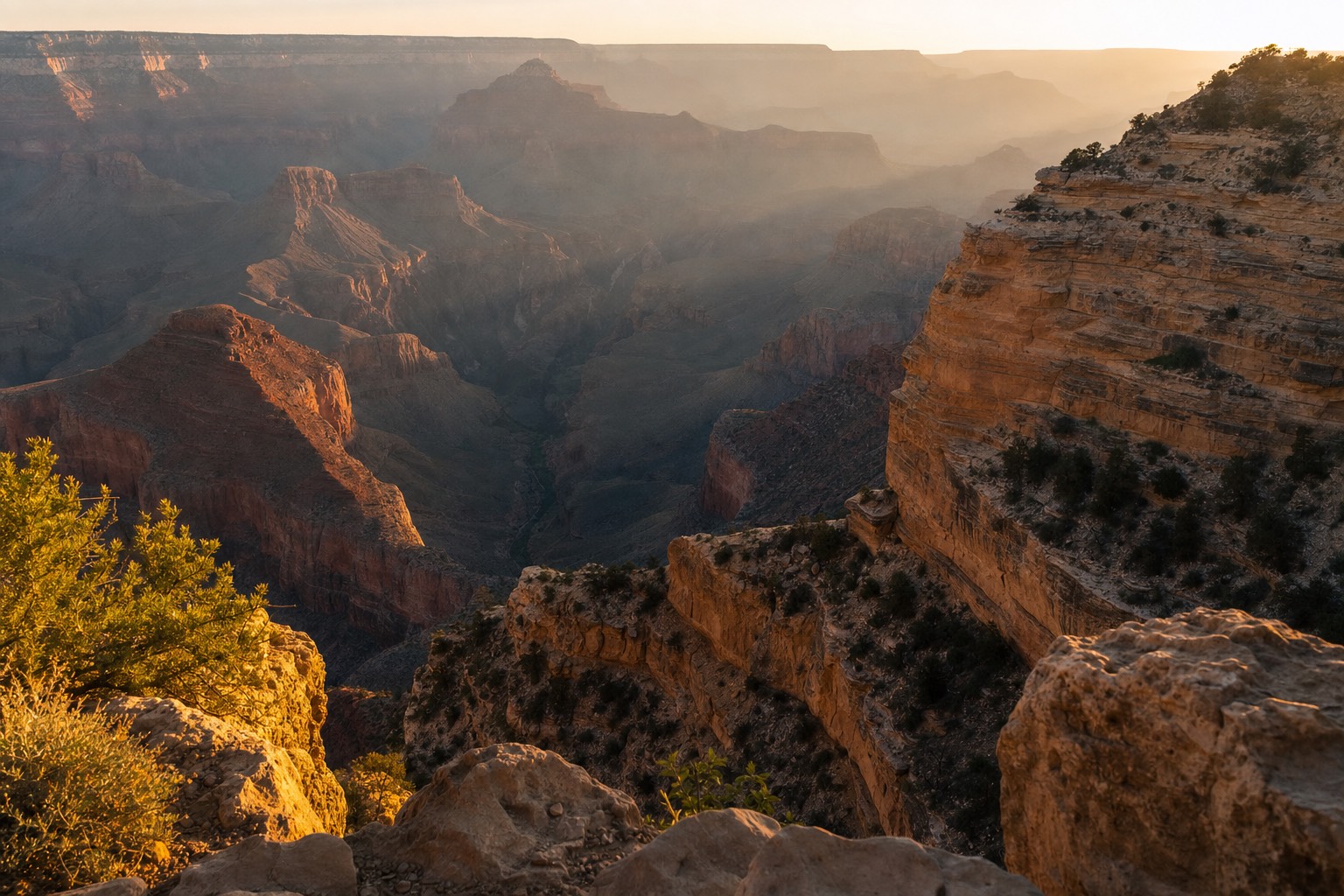
The Grand Canyon's South Rim is about two hours from Page by road, so combining both is standard: see the rim one day, walk the slot canyon the next. Neither is better outright. The Grand Canyon delivers scale and freedom; Antelope Canyon delivers an intimate, guided hour inside glowing stone.
From the rim of the Grand Canyon you can see a hundred miles. Inside Antelope Canyon you can sometimes touch both walls at once. I have spent my working life guiding visitors through Navajo country, and this pairing is the classic shape of a Southwest trip for good reason: the two canyons are close together on the map and opposite in every way that matters. Most people should do both. But the logistics reward a little planning, and if your days are short, the choice between them deserves a straight answer instead of a shrug.
How far is Antelope Canyon from the Grand Canyon?
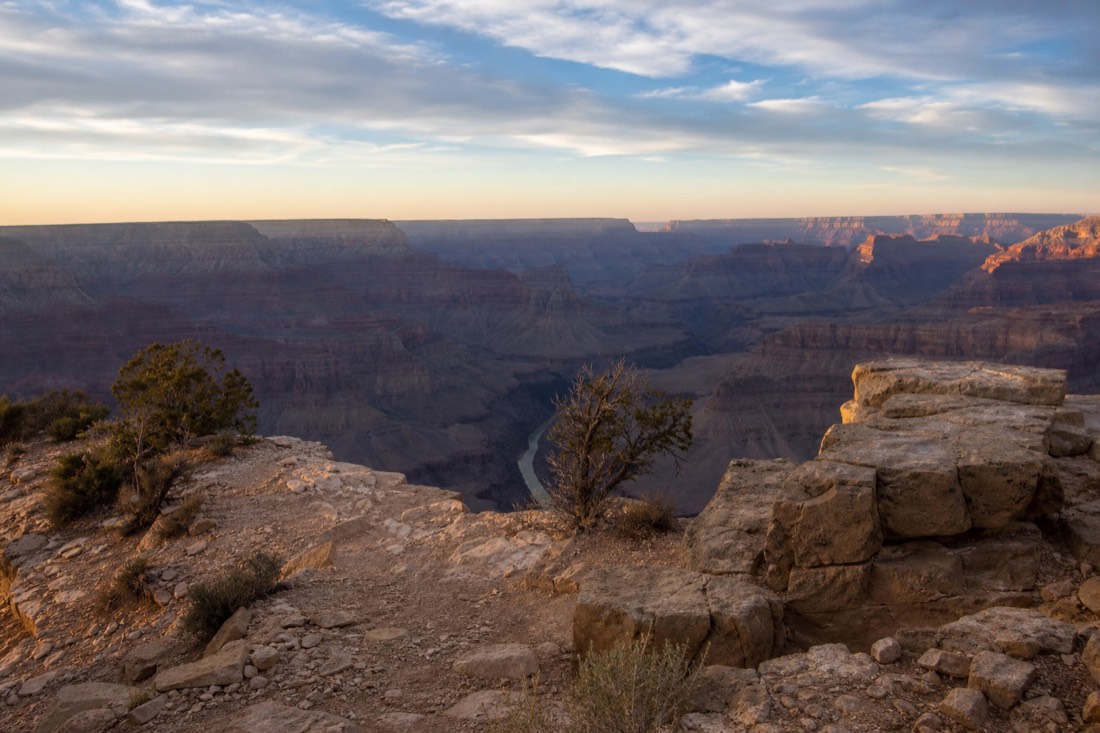
About two hours of driving separate the Grand Canyon's South Rim from Page, Arizona, where every Antelope Canyon section begins. The natural route exits the park east through Desert View, drops to Cameron, then runs US-89 north. It is one of the easiest connections between two headline sights anywhere in the Southwest.
That two-hour figure is the South Rim number, and the South Rim is the version of the Grand Canyon this pairing assumes. The North Rim is a much longer haul and closes seasonally, and the West Rim near Las Vegas is a different trip entirely.
The Desert View exit is the move most first-timers miss. Instead of backtracking to the park's south entrance, drive the rim east past a string of viewpoints, leave through the east gate, and descend to Cameron on the Navajo Nation. You lose nothing and gain a dozen overlooks. Cameron's trading post is the traditional leg-stretch, and from there Page is an easy run north with the Echo Cliffs walling the horizon.
Remember what waits at the far end, though: Antelope Canyon runs on booked, Navajo-guided entry times under Navajo Nation Parks and Recreation rules, with a $15 per person tribal permit. The Grand Canyon will absorb you whenever you show up. The slot canyon will not. Book the slot first and bend the rim day around it.
Can you visit both canyons in one trip?
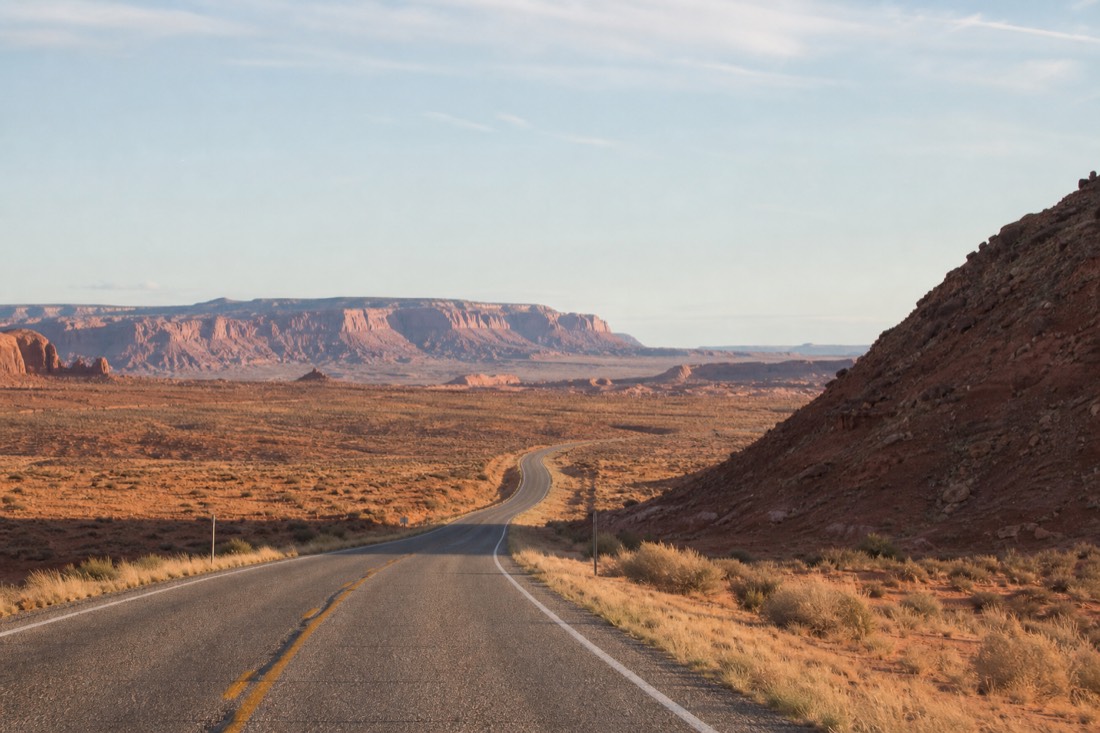
Yes, and you should plan two days minimum: rim one day, slot canyon the next, sleeping in Page or Tusayan between. A single brutal day is technically possible with a dawn rim visit and an afternoon canyon slot. Three days turns the same ground into an actual vacation with Horseshoe Bend and Lake Powell folded in.
The itinerary math, laid out honestly:
| Days | Shape | Verdict |
|---|---|---|
| 1 day | Dawn at the South Rim, exit via Desert View, 2 h to Page, afternoon slot-canyon entry | Possible, exhausting, zero slack for cancellations |
| 2 days | Day 1 rim viewpoints and sunset, overnight toward Page; Day 2 midday canyon slot plus Horseshoe Bend | The sweet spot most travelers should book |
| 3 days | As above, plus a full Page day: Lake Powell, dam overlook, kayak or boat time | The version people come home raving about |
The two-day shape works in either direction. Coming from Flagstaff or Sedona, rim first is natural. Coming from Las Vegas or Zion, Page often comes first; the Las Vegas routing guide covers that approach. Either way, the overnight is what buys you a calm midday canyon slot, which is both the practical window and the best light.
If you can stretch to the third day, spend it around Page. The town packs a surprising amount within twenty minutes, and the things-to-do-in-Page guide maps a full day of it. Sunset at the rim and sunset over Lake Powell are different planets, and getting both in one trip is the quiet luxury of this pairing.
Which is better, the Grand Canyon or Antelope Canyon?
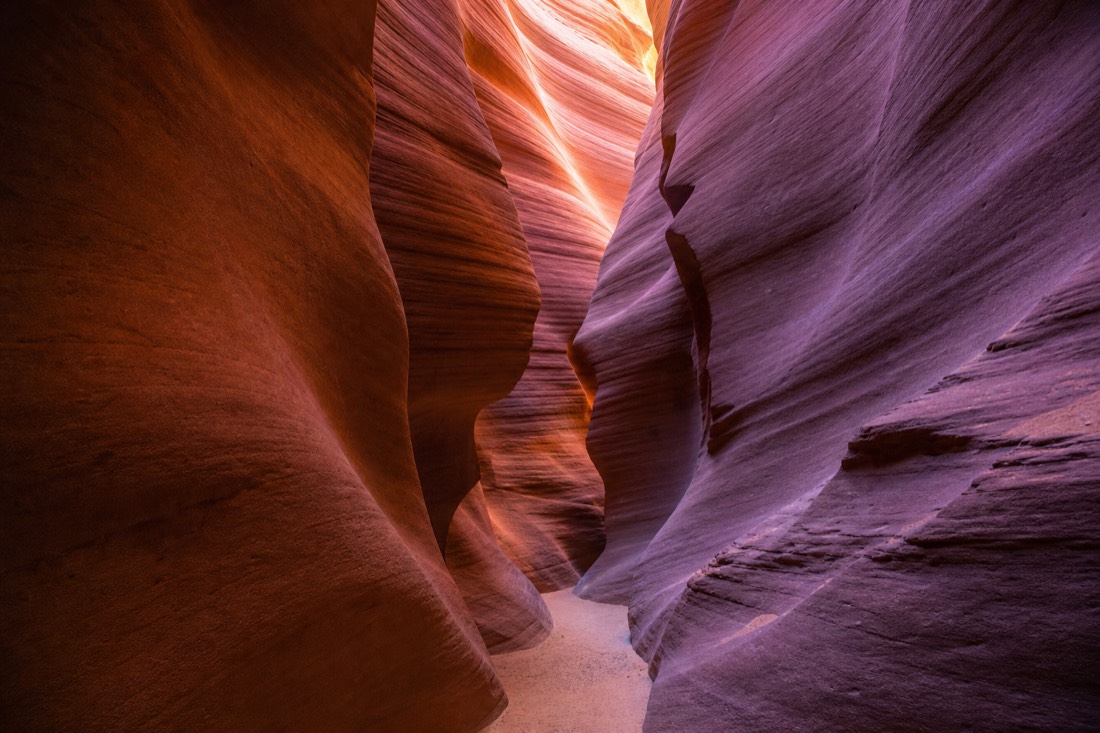
Neither, honestly. They are different experiences that happen to share the word canyon. The Grand Canyon is vast, free-roaming and needs no booking to stand at the rim. Antelope is intimate, guided-only and over in about an hour. Choose by what you want to feel: scale and silence, or color and closeness.
I tell guests to stop comparing them and start matching them to their trip. Here is the honest side-by-side:
| Factor | Grand Canyon (South Rim) | Antelope Canyon |
|---|---|---|
| The feeling | Overwhelming scale, geologic time | Enclosed, sculptural, almost private |
| Access | Roam the rim freely, no timed entry for the viewpoints | Guided-only, booked entry times, timed groups |
| Time needed | Half a day to a lifetime | About an hour inside, plus check-in |
| Cost structure | Park entrance per vehicle | Per-person tour price plus $15 Navajo permit |
| Photography | Sweeping vistas, sunrise and sunset | Midday glow, handheld only, tripods banned |
| Crowds | Disperse along miles of rim | Concentrated in narrow passages, peak season is busy |
| Weather risk | Open year-round, rim snow in winter | Monsoon flash-flood cancellations July-September |
Notice the pattern: one rewards wandering, the other rewards booking. If you have a single day and no reservation, the Grand Canyon wins by default because it will take you as you are. If the photograph that pulled you to Arizona is glowing wave-walls and light shafts, no rim viewpoint will scratch that itch, and the slot canyon is non-negotiable.
Travelers who do both almost never regret it, and the ones forced to choose usually decide on crowd tolerance and booking lead time. The Upper versus Lower comparison settles which slot section to pick once you commit.
What is the best route and drive-time picture?
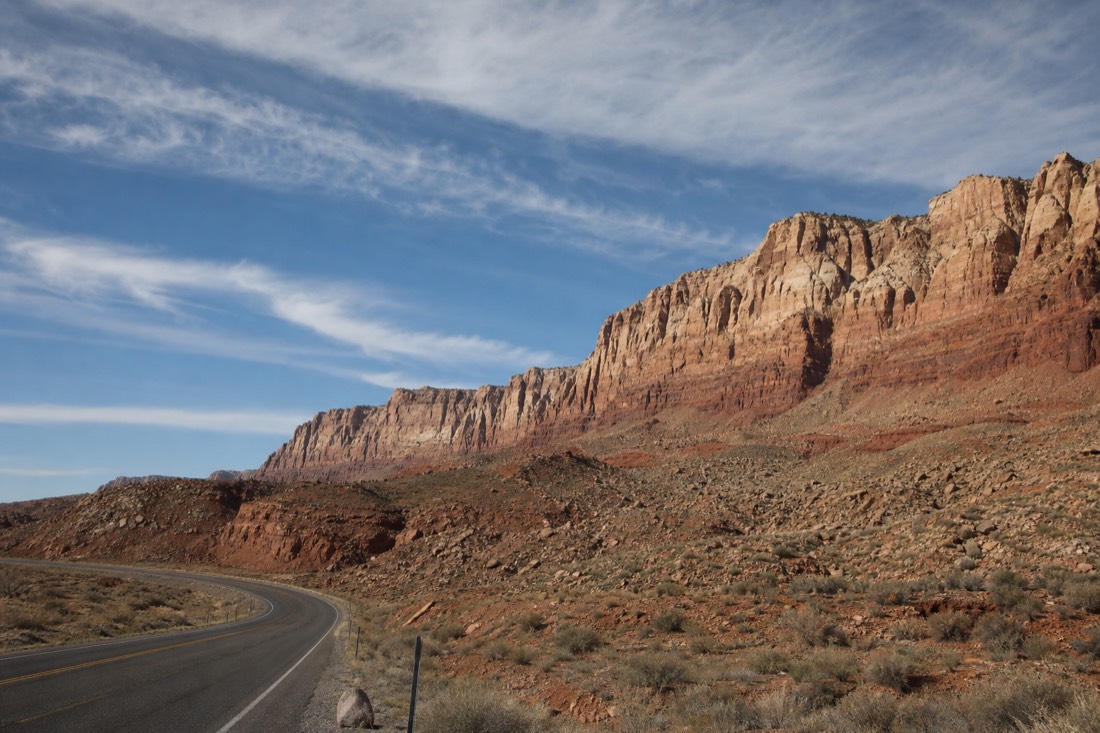
One road does the work: exit the park east via Desert View, descend to Cameron, then US-89 north to Page. Fuel at the park or in Cameron, expect thin services after, and watch the clock. Arizona skips daylight saving but the Navajo Nation observes it, so summer clocks differ an hour within a few miles.
Page makes a useful hub for the whole region, and the distances explain why so many itineraries pivot around it:
| From Page | Drive time (approx.) |
|---|---|
| Grand Canyon South Rim | 2 h |
| Zion National Park | 2.5 h |
| Flagstaff | 2.5 h |
| Sedona | 3 h |
| Phoenix | 4.5 h |
| Las Vegas | 4.5 h |
Those numbers are why the two-day pairing barely feels like driving: the rim-to-Page leg is the shortest link in the entire Southwest circuit. They are also why people try to bolt on Zion or Monument Valley, and sometimes that works, but every extra anchor steals slack from the one sight that runs on a fixed clock.
A word on the time zones, because this junction is where it bites hardest. The Grand Canyon and Page both hold Mountain Standard Time all year. The Navajo Nation between and around them observes daylight saving. In summer, driving from the rim to a canyon check-in, your phone may silently jump an hour and back. Write your entry time down with the operator's own time zone label from the confirmation, and aim to reach Page 45-60 minutes before it.
How should you book the slot-canyon half?
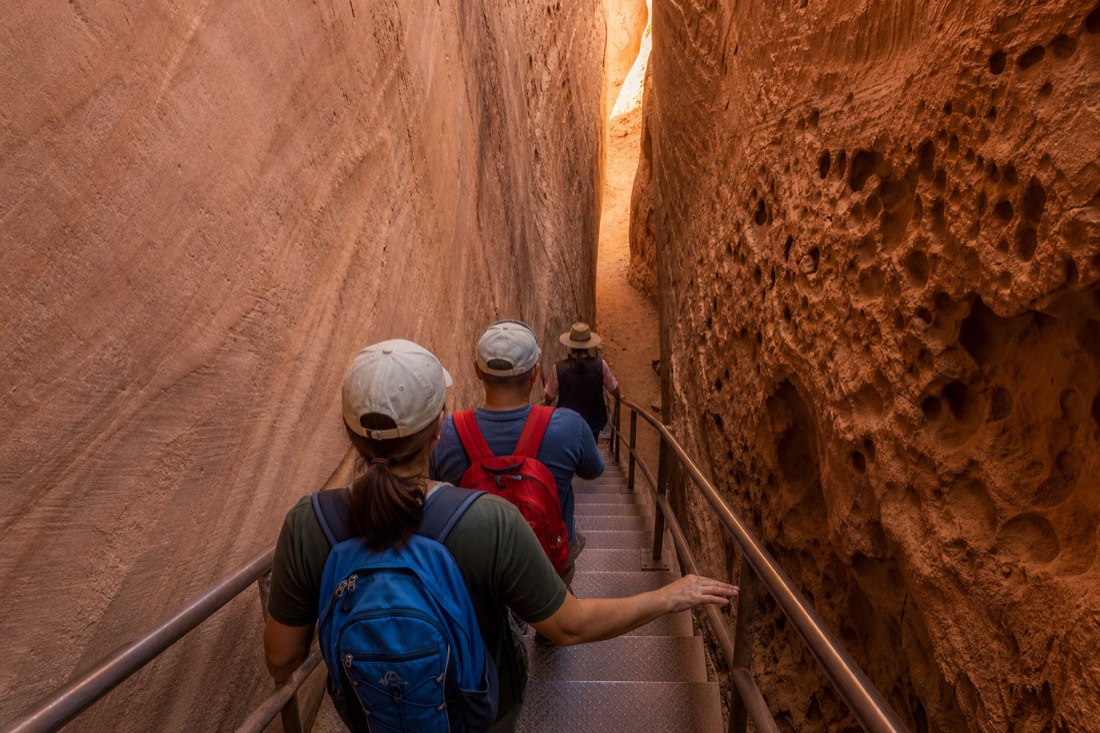
Book it first, before lodging, before the rim day. For most pairings the answer is a midday Lower Antelope entry: about an hour inside, the strongest reviews of any section, and enough daily capacity that two-day itineraries can usually find a workable slot. Peak-season midday times still sell out months out.
The Grand Canyon forgives improvisation; the slot canyon punishes it. Entry times are the scarce resource in this whole itinerary, so anchor everything to one. Lower Antelope is the default for good reason: the walk suits most fitness levels despite the ladders, and the Viator listing stands at 4.9 across 7,298 reviews. When you are ready, book the Lower Antelope Canyon walk and check live availability and prices on Viator, then build the rim day on whichever side of it fits your direction of travel.
Upper Antelope is the alternative if the light beams are your reason for existing; they run midday from late March to mid-October. Canyon X trades fame for quiet and gets steady praise from crowd-averse travelers. Cancellation depends on the exact ticket: the checked AACT Upper and Lower Viator listings allow a full refund when canceled at least 24 hours ahead. Canyon X on Viator is nonrefundable for customer cancellations, while the checked GetYourGuide Canyon X listing allows cancellation at least four days ahead. Reconfirm the chosen option at checkout.
What does a good combined itinerary look like?
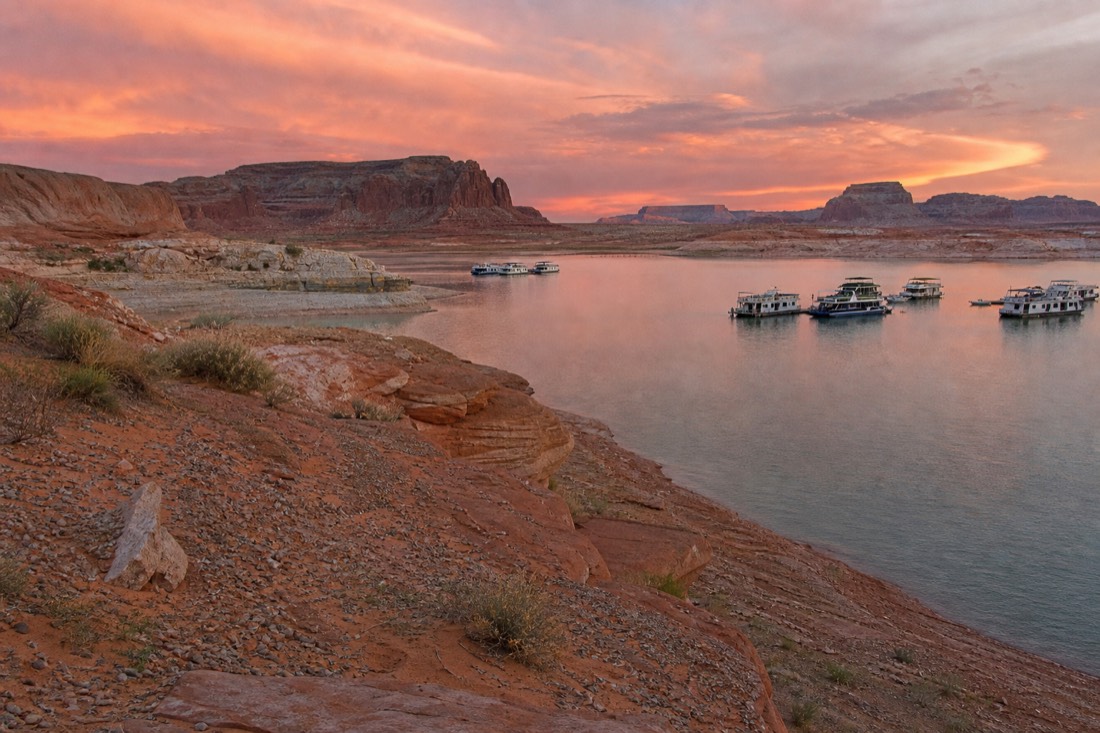
Day one: South Rim viewpoints, Desert View drive, sunset at the rim, then sleep in Page or partway. Day two: midday slot-canyon entry, Horseshoe Bend in the late afternoon. Add a third day for Lake Powell and the dam overlook. Sleep in Page both nights if you can; it is the better hub.
Basing matters more than people expect. Tusayan, at the park's south entrance, is convenient for a sunrise rim start but leaves the whole two-hour transfer plus check-in buffer for canyon morning. Page as your base flips that: relaxed canyon logistics, sunset at Wahweap over the lake, and an easy two-hour morning run to the rim on your Grand Canyon day. The where-to-stay guide breaks down Page's hotel strip and lakeside options.
Season shapes the pairing too. Spring and fall are ideal at both ends. Summer brings full beam season in the slot canyon but monsoon storms that can cancel entries on short notice between July and September; when that happens, refunds depend on the booked product’s terms and the rim becomes your weather backup, since it shrugs off rain that shuts slot canyons. Winter empties both places out beautifully, with rim snow and soft canyon light, and Arizona's tourism office notes in its visitor guidance that shoulder seasons are the kindest time to see the canyon respectfully.
How do the one-, two- and three-day pairings break down day by day?
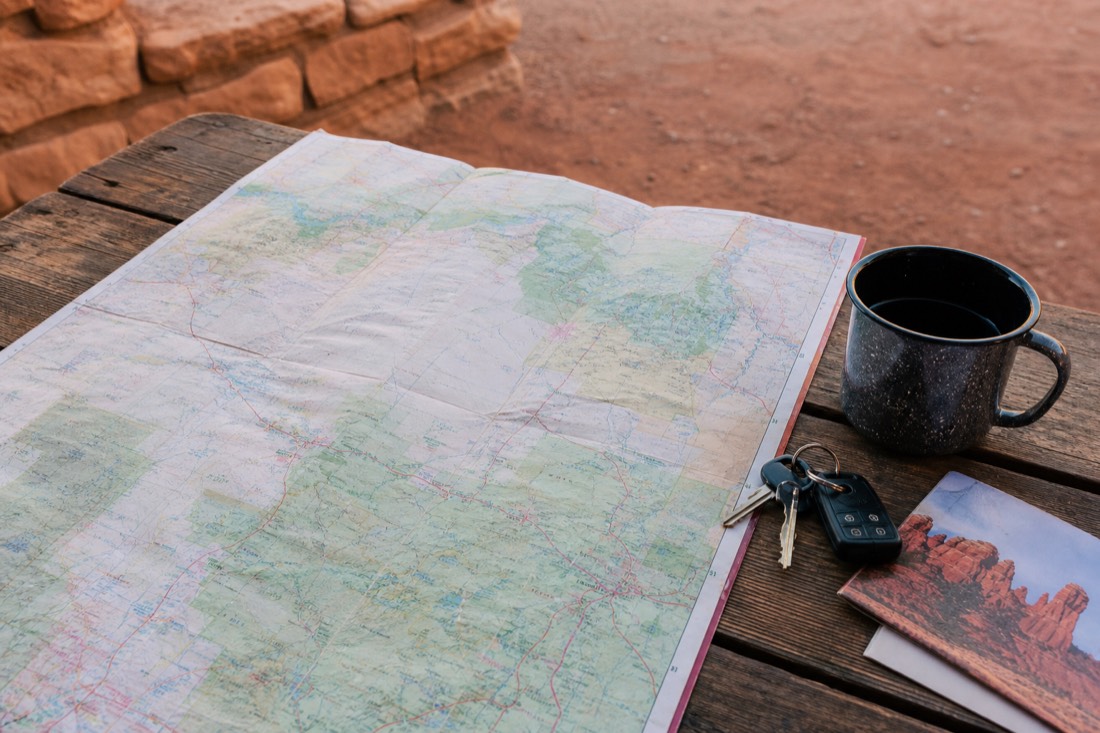
One day means dawn on the rim, the Desert View exit and an afternoon canyon slot. Two days means the rim and its sunset, a night in Page or Tusayan, then a midday slot and Horseshoe Bend. Three days adds a full Page day for Lake Powell and the free overlooks. Where you sleep decides how calm the morning is.
The summary table earlier in this guide gives each shape a verdict. This one lays the same three plans out by day and by bed, because the overnights, not the miles, are what separate a rushed pairing from a good one.
| Day | 1-day version | 2-day version | 3-day version |
|---|---|---|---|
| Day 1 | Dawn rim viewpoints, exit via Desert View, Cameron, afternoon canyon slot two hours north, drive back or on | Rim viewpoints, Desert View drive, sunset at the rim; sleep in Tusayan or push on to Page | Same as the 2-day plan; sleep in Page if at all possible |
| Day 2 | None | Midday canyon slot with 45-60 minutes of check-in buffer, late lunch, Horseshoe Bend as the light warms; sleep in Page or drive on | Morning or midday canyon slot, Horseshoe Bend, dam overlook; sleep in Page |
| Day 3 | None | None | Lake Powell: the four-hour kayak to the canyon's lake side, or Wahweap and the free viewpoints; drive on in the afternoon |
| Where the slack lives | Nowhere | The evening between the two anchors | Everywhere; a monsoon cancellation can slide a day |
| Who it fits | Travelers passing through with a fixed entry already booked | Most first-timers | Anyone who can spare the day |
Two practical readings of that grid. If you are on the one-day plan and your entry is scrubbed by weather, the day is gone; operators refund, but the rim behind you does not wait for a second attempt. On the two-day plan the same cancellation costs you a rebook, not the trip. Between July and September that alone should push you to two days.
The three-day plan is where the Lake Powell side enters, and it is a genuinely different experience: National Park Service water rather than Navajo-guided slot walking, four hours, swim optional. Give it its own morning rather than jamming it into the canyon day, and read the things-to-do guide for the free stops that fill the afternoons.
What is the drive from the South Rim to Page hour by hour?
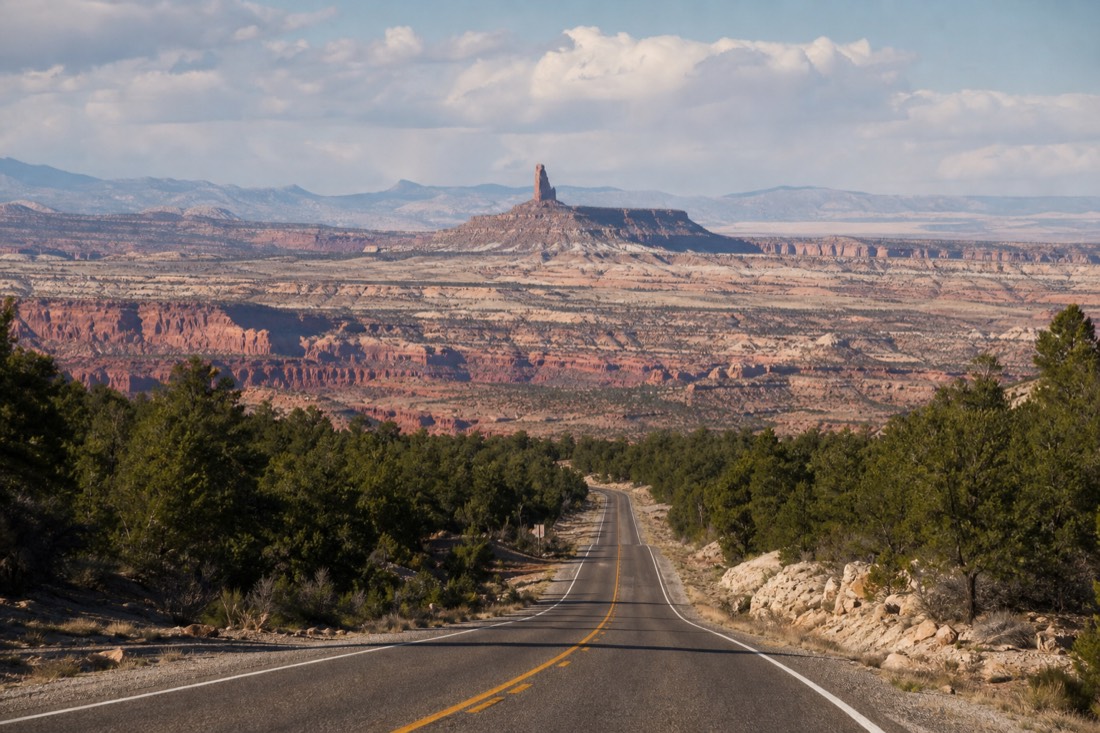
Leave Grand Canyon Village along the rim road, stopping at the east-side viewpoints, exit through Desert View, drop off the plateau to Cameron, then run US-89 north to Page. It is about two hours of actual driving from the park's east side, closer to three from the Village once you count the viewpoints you will not be able to skip.
Nobody drives this leg without stopping, so plan it as a scenic morning rather than a transfer. The elapsed times below are the shape of it, not a schedule.
| Leg | Elapsed (approx.) | Notes |
|---|---|---|
| Grand Canyon Village to Desert View along the rim | About 45 minutes of driving, plus every viewpoint you stop at | Grandview, Moran, Lipan and the Watchtower are all worth the pullout |
| Desert View east gate down to Cameron | Under an hour | Big descent off the plateau; the Little Colorado gorge country opens up |
| Cameron Trading Post | 15-20 minute stop | Fuel, restrooms, frybread; the last easy services before Page |
| Cameron to Page on US-89 | About 75 minutes | Echo Cliffs on your right, thin services, livestock near the road |
| Arrival buffer in Page | 45-60 minutes before the entry | Check-in lists close before the hour |
Reading the table backwards is the useful trick. If your canyon entry is at noon on the operator's clock, you want to be at the check-in desk by 11, which means leaving Cameron before 9:45, which means being at the Desert View gate before 9, which means leaving the Village around 8 with time for two or three viewpoints. Anything later and the viewpoints start eating your buffer.
Two things a Navajo guide would add. The descent from Desert View to Cameron takes you off National Park land and onto the Navajo Nation, and the roadside stands and the trading post are people's livelihoods, not props; if you stop, buy something or at least be gracious. And once you are on US-89 the clock question from earlier in this guide is live: your phone may jump an hour to Navajo Nation time. Read the entry time off the confirmation with its zone label, not off the phone.
Which canyon fits which kind of traveler?
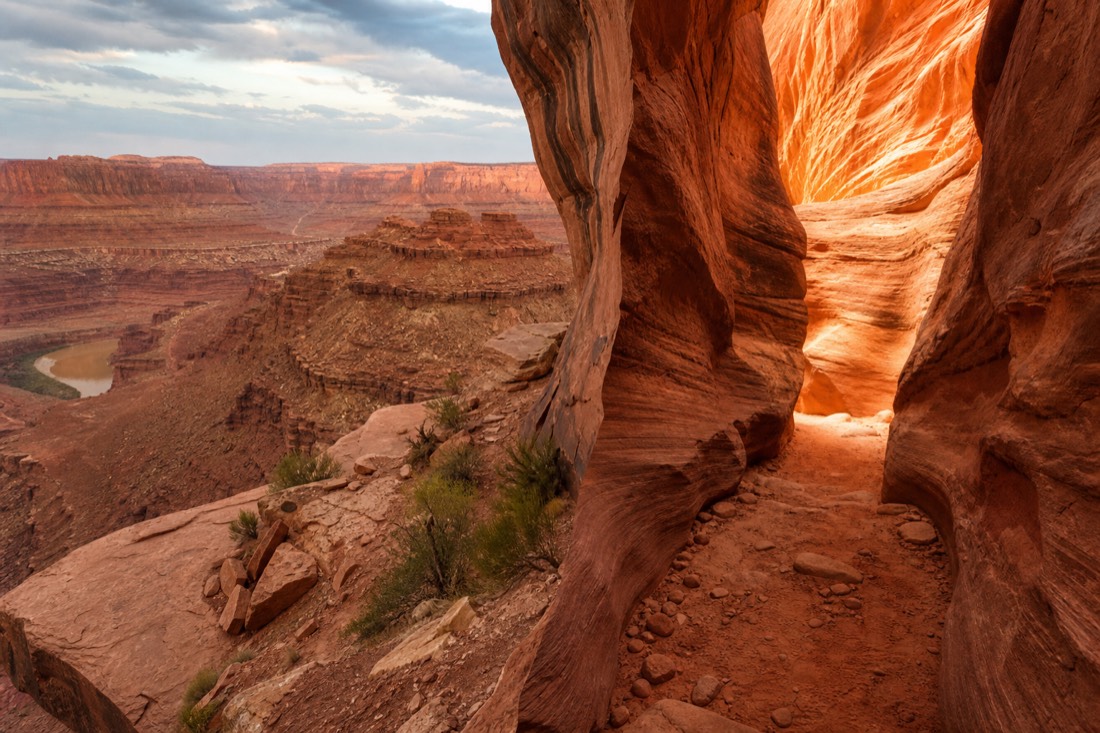
If you must choose, choose by traveler, not by canyon. Families with tiny children, anyone with mobility limits, and anyone without a reservation lean Grand Canyon. Photographers chasing glowing walls, short-on-time travelers who want one perfect hour, and anyone who already booked lean Antelope. Crowd-averse people split, and Canyon X is their tiebreaker.
The side-by-side table earlier in this guide compares the two places on their own terms. This one flips the axis and asks who each place suits, which is how the choice actually gets made in a hotel lobby at 9 p.m.
| Traveler | Leans Grand Canyon | Leans Antelope Canyon | The tiebreaker |
|---|---|---|---|
| Family with children under school age | Yes: rim paths, no ladders, no timed groups | Age minimums vary by section; Lower's ladders are the sticking point | Upper's flatter floor if you go |
| Limited mobility | Yes: paved rim, shuttle, viewpoints from the car | Lower has stairs and ladders; Upper is the flatter walk | Ask the operator directly before booking |
| Photographer chasing color and light | Sunrise and sunset from the rim, tripods fine | Midday glow, handheld only, tripods banned since 2019 | Antelope in the beam window, late March to mid-October |
| One day, no reservation | Yes, it takes you as you are | Walk-ups rarely succeed in season | Grand Canyon by default |
| One day, entry already booked | Squeeze the rim in at dawn | The booked slot is the fixed point | Antelope wins; do not gamble the slot |
| Crowd-averse | Miles of rim to spread out on | Narrow passages, timed groups, peak season is busy | Canyon X, or a morning entry, or the rim |
| Budget-first | Park entrance per vehicle, viewpoints free after that | Per-person tour price plus the $15 Navajo permit | Grand Canyon if the car is full |
| Weather-week traveler, July to September | Exposed rim still requires a weather assessment | Flash-flood cancellations happen on short notice, refunds governed by the booked product’s terms | Keep the rim as the backup |
The pattern is the same one this whole guide keeps hitting: the rim forgives, the slot canyon rewards planning. Both are worth it. If a specific row above describes you and points one way, trust it over the photographs. And if you are booking Antelope, settle the section question with the Upper versus Lower comparison before you look at dates.
What passes, permits and documents do you need for both?
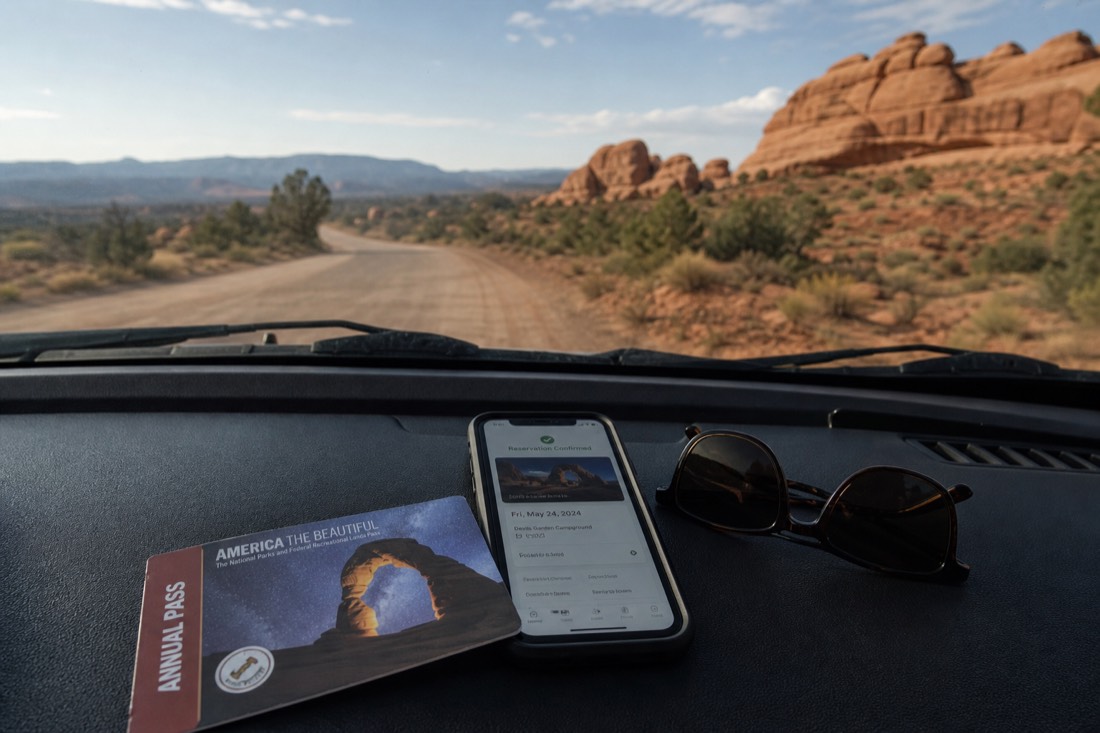
A federal park pass covers the Grand Canyon's entrance and is worthless at Antelope Canyon, which sits on Navajo Nation land with its own $15 per person, per location, per day permit and guided-only entry. Carry the canyon booking confirmation on your phone with its time zone noted. Horseshoe Bend charges city parking per vehicle, separate from both.
Three different landowners run this pairing, and each wants something different from you. Getting it straight before you leave home saves the most common expensive mistake on this route, which is assuming one pass covers everything.
| Item | Grand Canyon South Rim | Antelope Canyon | Horseshoe Bend and Lake Powell |
|---|---|---|---|
| Who runs it | National Park Service | Navajo Nation Parks and Recreation, via authorized Navajo operators | City of Page for the overlook; NPS Glen Canyon for the lake |
| Entrance cost | Park entrance fee per vehicle | None as such; the tour price and the $15 Navajo permit | City parking fee per vehicle at the bend; recreation-area entrance on the lake |
| Federal park pass | Honored at the entrance | Not valid; Navajo Nation land is not federal park land | Not valid at the bend's city lot; check the NPS fee page for the recreation area |
| Timed reservation | None for the viewpoints; lodging books far ahead | Required, with a Navajo guide, per section | None for the bend; the kayak trip is a booked tour |
| What to have on your phone | Pass or entrance receipt | Booking confirmation with the entry time and its zone label; the permit is collected with or alongside the tour | Kayak confirmation if you booked it |
| Rules that surprise people | Rim snow and closures in winter | Guided-only, tripods banned, drones and alcohol prohibited on Navajo Nation land | The lake is NPS water, no tribal permit involved |
The permit row is the one worth reading twice. Some listings fold the $15 into the ticket, the Upper Antelope GetYourGuide entry among them; others collect it alongside. Check the specific product, and do not be surprised by the line item either way. The money supports conservation and safety on tribal park land, and as someone who works under Navajo Nation Parks and Recreation rules myself, I would ask you to see it as the price of a place that is looked after, not a surcharge. The tickets and cost guide walks through how each listing handles it.
Can I do the Grand Canyon and Antelope Canyon in one day?
From a base near the South Rim, barely: dawn on the rim, exit via Desert View, and an afternoon canyon slot two hours north. It works only if your entry time holds and weather cooperates. Two days is dramatically better for the same miles.
Which should come first in the itinerary?
Whichever matches your direction of travel. From Flagstaff or Sedona, rim first, then north to Page. From Las Vegas or Zion, Page usually comes first. The slot-canyon entry time is the fixed point; schedule the rim around it.
Is the West Rim near Las Vegas part of this pairing?
No. This guide's two-hour figure is Page to the South Rim, the classic national-park experience. The West Rim is a separate destination hours from Page, and mixing them up is a common and expensive itinerary mistake.
Do I need reservations for the Grand Canyon too?
Standing at the South Rim viewpoints requires a park entrance fee but no timed slot. Lodging in and near the park books far ahead, though. The slot canyon is the half that demands a reserved entry with a Navajo guide.
Your next booking step
Lower Antelope with a Navajo guide
Have a travel date in mind? A timed walk among Lower’s sculpted walls, with entry and the Navajo permit included. Check the date before arranging the rest of this part of your trip.
General starting point — confirm the exact party and date
Select a date to load the Viator schedule. Availability and final price are confirmed on Viator.
Check dates for Lower Antelope with a Navajo guide
Ken’s Tours, Lower entrance; arrive 30 minutes early. Return to the same site. Steel stairs and narrow passages; no bags or tripods. Not recommended during pregnancy or with spinal/cardiovascular conditions. Customer cancellation: full refund at least 24 hours before departure; reconfirm at checkout.
Compare routes, adjust your plan & budget
The South Rim sits about two hours from Page, so pairing the Grand Canyon with Antelope Canyon is easy. Itinerary shapes for 1-3 days, plus the honest which-is-better answer. These are different experiences, not interchangeable admission tickets. All listed guiding is in English.
A timed walk among Lower’s sculpted walls, with entry and the Navajo permit included. 60 minutes; English; from Page. Ken’s Tours, Lower entrance; arrive 30 minutes early. Return to the same site. Steel stairs and narrow passages; no bags or tripods. Not recommended during pregnancy or with spinal/cardiovascular conditions. Customer cancellation: full refund at least 24 hours before departure; reconfirm at checkout.
Upper’s beam corridor with a Navajo guide; fees and taxes included. 80 minutes; English; from Page. Adventurous Antelope Canyon Tours, Highway 98; arrive 30 minutes early. Return to the same base. Ages 8+; moderate fitness. Sandy walking and the outdoor stair/hill exit; no guaranteed beams. Not recommended during pregnancy or with spinal/cardiovascular conditions. Customer cancellation: full refund at least 24 hours before departure; reconfirm at checkout.
Two Canyon X sections on Taadidiin’s guided hiking route. Choose the hiking option. 90 minutes; English; from Page. Taadidiin Tours, Highway 98; arrive 30 minutes early, using Arizona/Phoenix time. Return to the same site. Steep access trail. Permit is listed as included but the API’s old fee amount conflicts with current operator information; confirm the final total. Guide service fee extra. No tripod on hiking option. Nonrefundable for customer cancellation on Viator; read the exact weather-cancellation terms.
Affiliate links: we may earn a commission at no extra cost to you. Schedule dates are not confirmed seats.