The Movie Scenes Filmed Around Page, Arizona
Planet of the Apes, Gravity, Broken Arrow, Maverick, and more: the movies really filmed at Lake Powell and Antelope Canyon near Page, the famous scenes that were not, and how to visit the locations today.
 By Daniel Begay, Navajo guide & Southwest canyon specialist
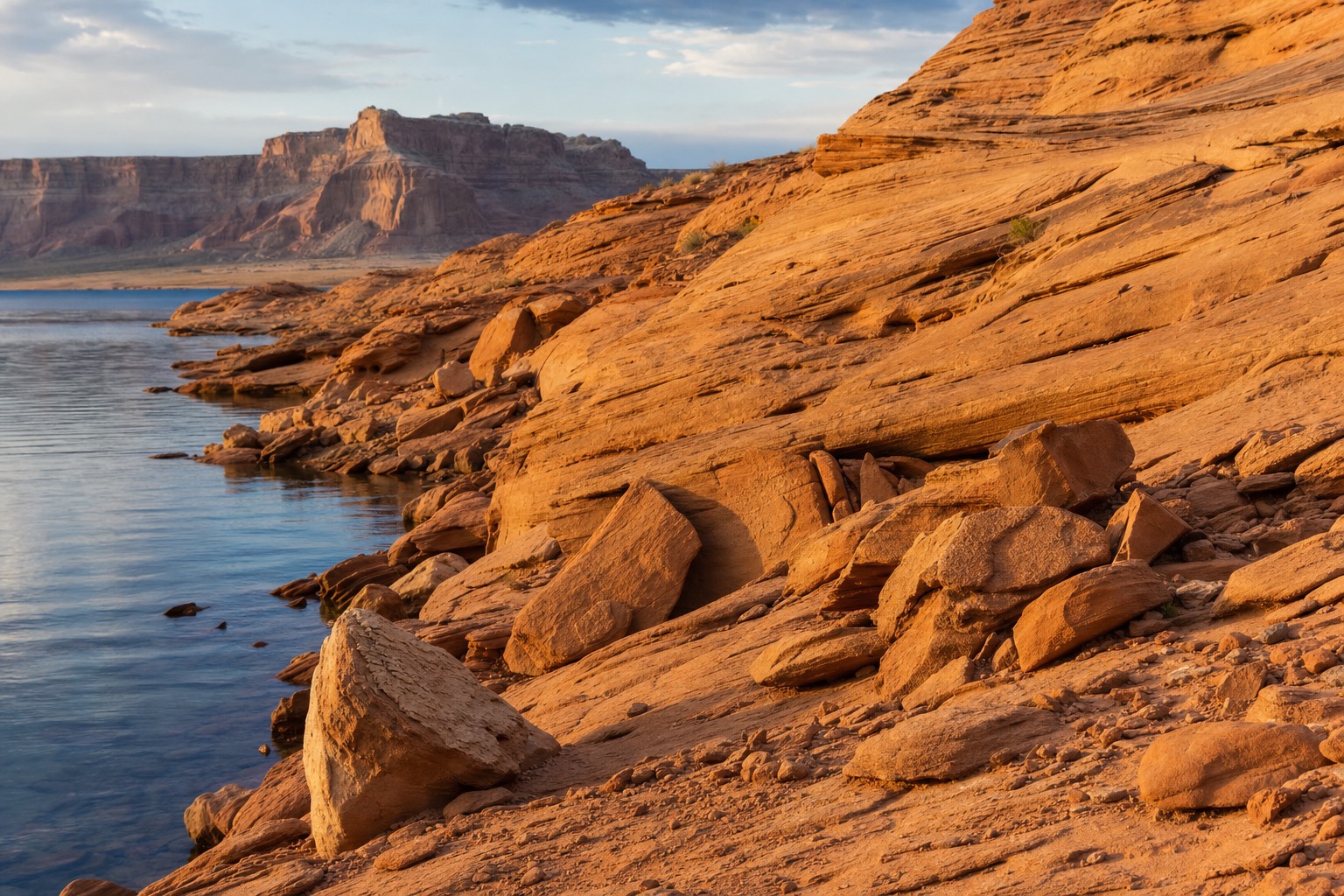
Location scouts figured out Page decades before Instagram did. Stand on the shoreline at Lake Powell and you can see why: drowned sandstone canyons, water the color of another planet, and rock formations that read as biblical, alien, or Old West depending on where you point the camera. I guide on Navajo land, where Monument Valley has been Hollywood's idea of the West for generations, and the Lake Powell country an hour from my home ground has its own long credit list. Here is what was actually shot here, and what only claims to be.
Quick take: the most famous movie filmed around Page is Planet of the Apes from 1968, which used Lake Powell as its alien planet. The verified list also includes The Greatest Story Ever Told, Maverick, Broken Arrow, Evolution, The Canyon, and Gravity. Forrest Gump's running scene was not shot here, despite what you may have read.
What movie was filmed in Page, Arizona?
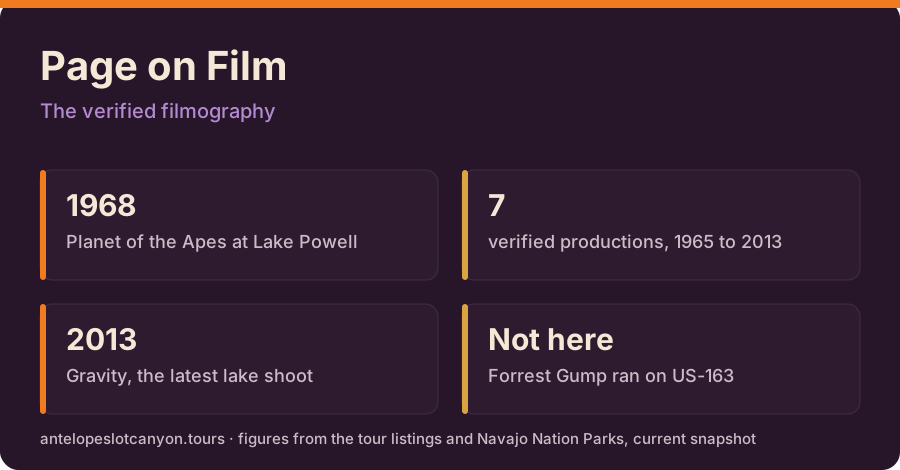
The headline answer is Planet of the Apes, the 1968 original, which shot at Lake Powell in the Glen Canyon area near Page, using the drowned sandstone landscape as an alien planet, including scenes tied to the famous Statue of Liberty reveal. Six other verified productions round out the list, spanning 1965 to 2013.
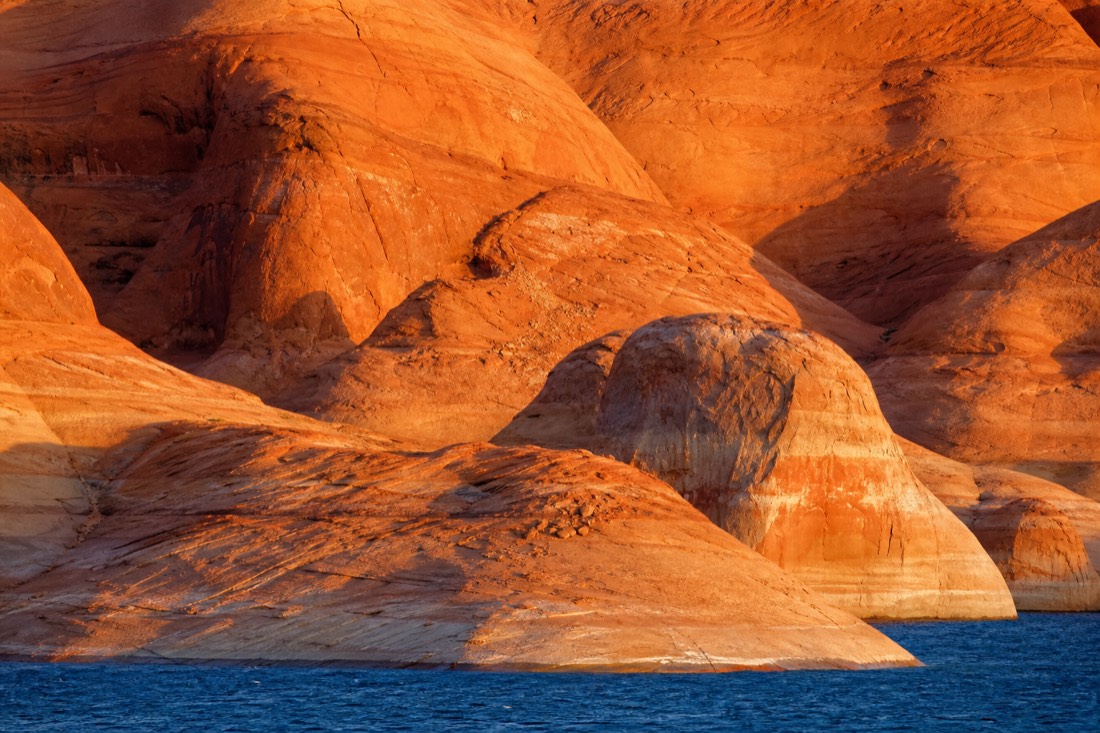
Here is the full verified filmography for the Page area, in one table.
| Film | Year | What was shot around Page |
|---|---|---|
| The Greatest Story Ever Told | 1965 | Castle Rock stood in as Mount Sinai, with Glen Canyon exteriors |
| Planet of the Apes | 1968 | Lake Powell as the alien planet, Statue of Liberty reveal area scenes |
| Maverick | 1994 | Lake Powell scenes |
| Broken Arrow | 1996 | Lake Powell and Antelope Canyon area scenes |
| Evolution | 2001 | Lake Powell scenes |
| The Canyon | 2009 | Antelope Canyon scenes |
| Gravity | 2013 | Lake Powell scenes |
Every one of those entries traces to documented film-location records rather than tourism-board wishful thinking, and that distinction matters more than you would think. Page attracts inflated movie claims the way it attracts photographers, and I will get to the false ones below.
Which classics turned Lake Powell into another world?
Two epics of the 1960s. The Greatest Story Ever Told, from 1965, cast Castle Rock as Mount Sinai and shot exteriors through Glen Canyon. Three years later Planet of the Apes made the newly filling Lake Powell its alien planet, the astronauts' crash site in a world that needed to look like nowhere on Earth.
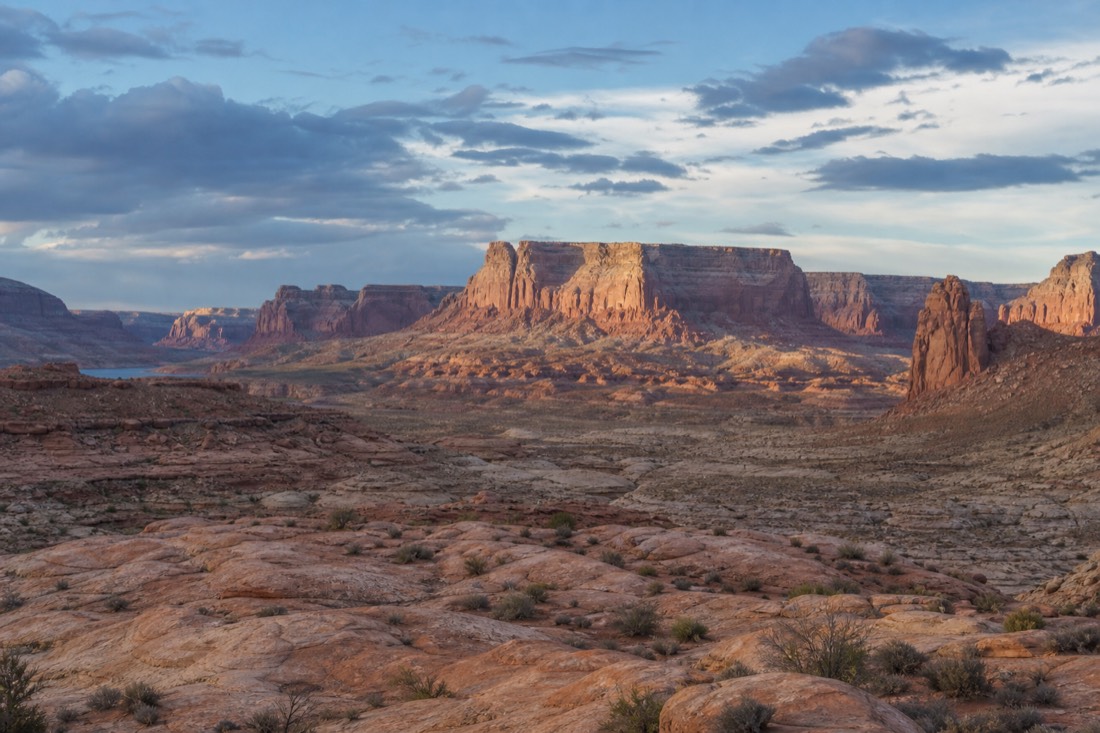
The timing tells its own story. Glen Canyon Dam was completed in the 1960s and the reservoir was still rising when both productions arrived, which means the filmmakers shot a landscape mid-transformation: ancient canyon country becoming a lake. For Planet of the Apes that in-between look was the entire point. Water lapping against bare, lifeless sandstone reads as alien precisely because nothing about it looks settled.
That same shoreline sits inside Glen Canyon National Recreation Area today, which is why these locations remain visitable rather than fenced off on private land. The rock has not changed. The waterline, as I will get to, very much has.
Which 90s blockbusters shot around Page?
Maverick in 1994 and Broken Arrow in 1996. Maverick brought its riverboat-era Western to Lake Powell, and Broken Arrow staged scenes across both Lake Powell and the Antelope Canyon area, making it the rare major production with the slot canyon country itself in its location list.
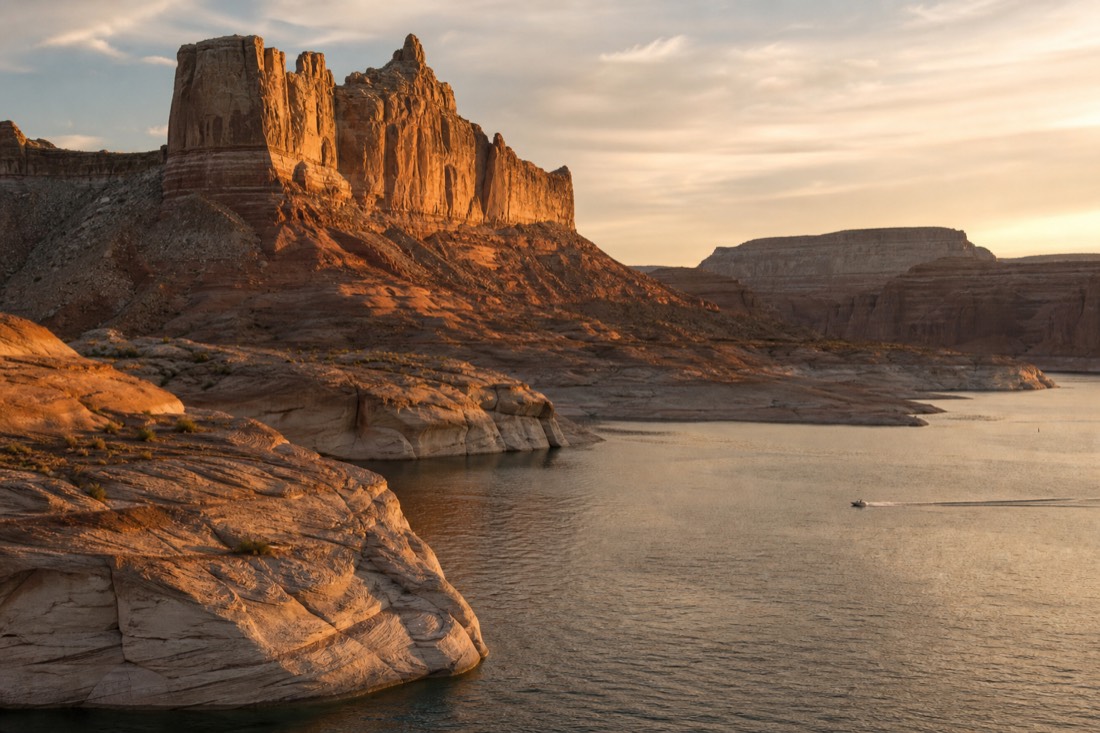
The nineties were good to this corner of Arizona. Maverick used the lake for its scenes, and Broken Arrow, the John Woo action picture, worked both the water and the desert around the slot canyons. For visitors, Broken Arrow is the interesting one, because it points at the same terrain the canyon walks move through today: the wash country between the lake and the town where the slots hide under the surface of an ordinary-looking desert.
Worth knowing as you plan: the slot canyons themselves sit on Navajo Nation land and are guided-only for everyone, film crews included, under the rules of Navajo Nation Parks and Recreation. There is no location-scouting your own way into a slot, which is part of why so few productions have canyon interiors on their lists.
What has filmed here since 2000?
Three productions: Evolution in 2001 and Gravity in 2013 shot Lake Powell scenes, and The Canyon in 2009 filmed at Antelope Canyon itself. Gravity is the most striking case, using the same shoreline that played an alien planet in 1968 for a story about falling back to Earth.
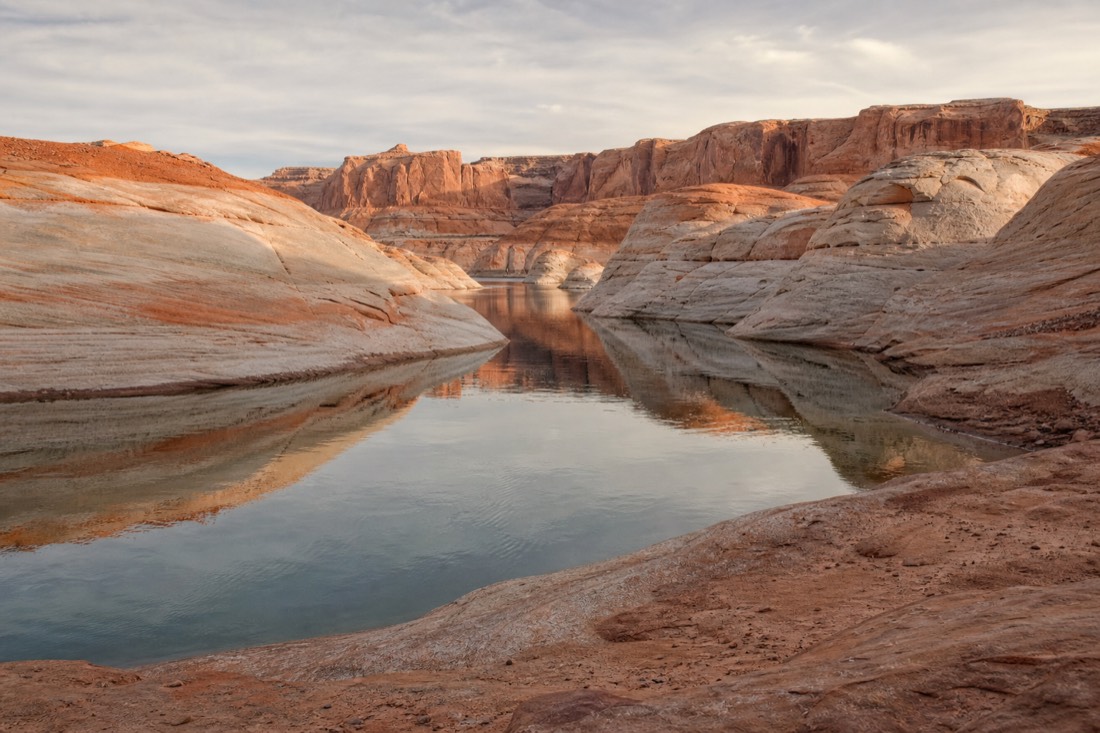
There is a nice symmetry in Lake Powell's screen career. In 1968 it was cast as another world. Forty-five years later, Gravity reached for the same landscape when it needed the Earth a stranded astronaut comes home to: empty, elemental, and untouched by anything human. Same rock, opposite meaning.
The Canyon, a 2009 survival film, is the entry that gets closest to this site's subject, with scenes shot at Antelope Canyon. And Evolution rounds out the list with its own Lake Powell work in 2001. If a movie location day appeals to you, the things-to-do guide shows how these spots stack up against the rest of Page's lineup.
Which famous scenes were not filmed in Page?
The big one is Forrest Gump. The famous running scene was shot on US-163 in Monument Valley, hours away, not around Page or Lake Powell. Claims that The Greatest Showman or The Lone Ranger primarily filmed here also lack corroboration in film-location records, whatever local marketing suggests.
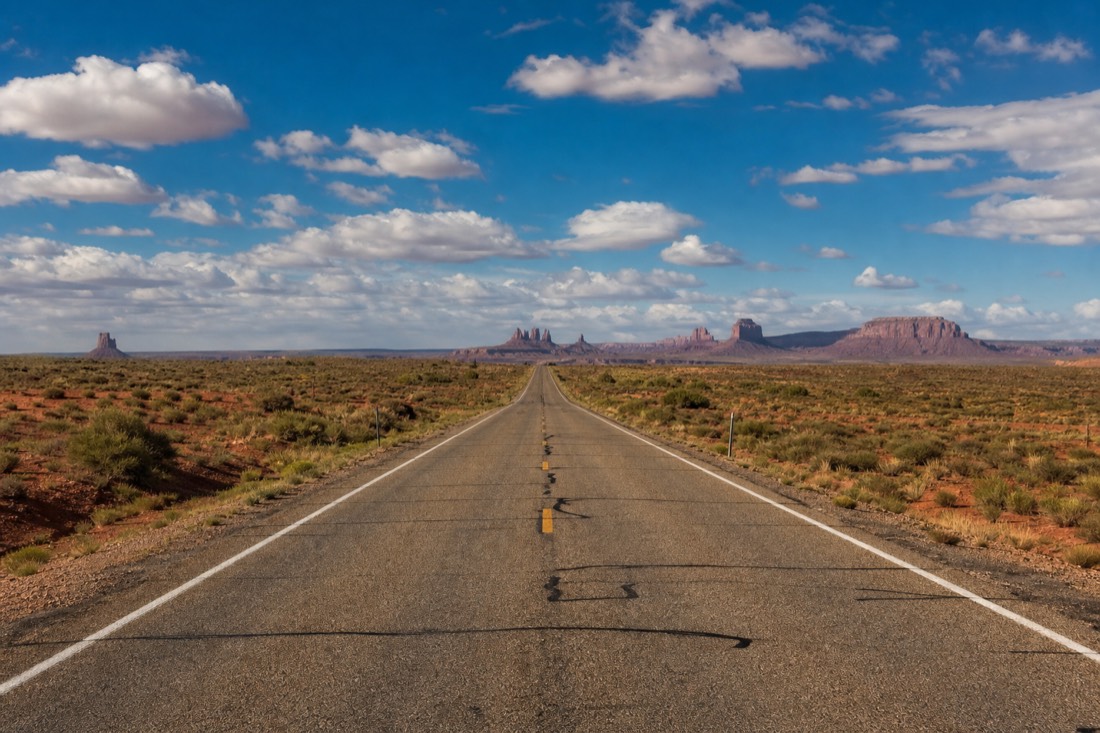
I care about this section personally, because the misattributed scene belongs to my home ground. The Forrest Gump highway shot, the one recreated by a thousand tourists a day, is US-163 approaching Monument Valley. People book Page trips expecting to find it and end up three hours of driving short.
| The claim you will read | What the records actually support |
|---|---|
| Forrest Gump's run was filmed near Page | Shot on US-163 in Monument Valley, a different region entirely |
| The Greatest Showman filmed at Lake Powell | Appears on tourism pages, no corroboration in film-location lists |
| The Lone Ranger was primarily a Page production | Uncorroborated for Page; the film's documented Arizona work points elsewhere, including Canyon de Chelly mentions |
My rule for movie-location claims is the same one I apply to everything on this site: if the sourcing dissolves when you squeeze it, leave it out of the itinerary.
Can you stand where the cameras stood today?
Yes, and mostly without a permit or a guide. The Lake Powell locations sit inside Glen Canyon National Recreation Area, reachable from the marinas and overlooks around Wahweap and Antelope Point. The one exception is Antelope Canyon itself, which is guided-only on Navajo land.
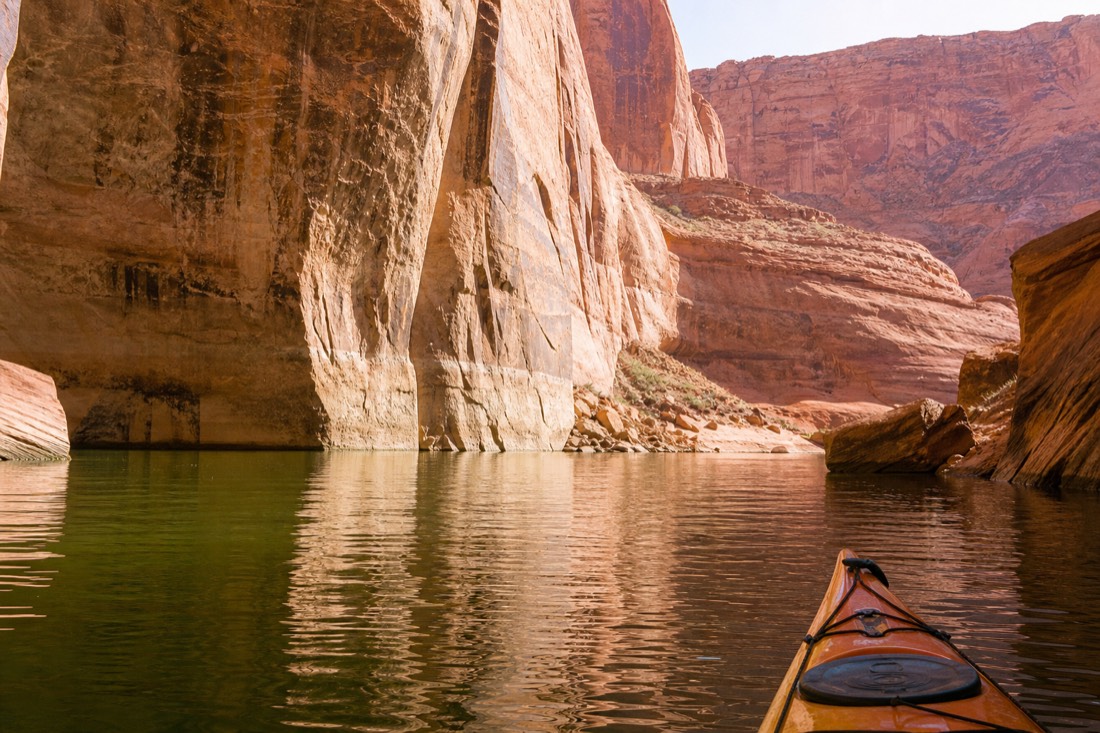
Here is how the filmography maps onto an actual visit.
| Screen location | How to see it now | Access notes |
|---|---|---|
| Lake Powell shorelines | Overlooks and marina areas on the NPS side, or get on the water | NPS entrance fees apply in the recreation area |
| Glen Canyon exteriors | Viewpoints around the dam and lake | Free roadside overlooks near town |
| Antelope Canyon scenes | A guided slot walk with a permitted Navajo operator | Guided-only, book ahead |
The best seat, in my judgment, is water level. The films shot this place from the shoreline and the lake because that is where the landscape does its alien-planet trick, and a paddle puts you inside those frames rather than above them. The kayak route runs from the lake to the water side of the canyon mouth with a hike into the slot country, and you can check live availability and prices on Viator, where it holds a 4.7 rating from 48 reviews. The kayaking post covers what the day on the water feels like.
The strange gift of the lake's decline is that today's Page looks more like the 1968 alien planet than it has in decades, with bathtub-ringed rock rising out of shrinking water. Go see it while the light is doing something no set designer could afford. The Antelope Point day plan is a good way to build the visit.
Your next booking step
Antelope kayak and hike
Have a travel date in mind? Four hours combining Lake Powell paddling and a walk into Water Antelope Canyon. Kayak, paddle, life jacket and dry bag supplied. Check the date before arranging the rest of this part of your trip.
General starting point — confirm the exact party and date
Select a date to load the Viator schedule. Availability and final price are confirmed on Viator.
Check dates for Antelope kayak and hike
Use the launch location in your confirmation; arrive 30 minutes early. Return paddle to the launch. Choose the four-hour kayak-and-hike option. Ages 5+; bring water and food. National Park Pass and tips extra. Not Upper or Lower; not recommended during pregnancy or with spinal/cardiovascular conditions.
Compare routes, adjust your plan & budget
Planet of the Apes, Gravity, Broken Arrow, Maverick, and more: the movies really filmed at Lake Powell and Antelope Canyon near Page, the famous scenes that were not, and how to visit the locations today. These are different experiences, not interchangeable admission tickets. All listed guiding is in English.
Four hours combining Lake Powell paddling and a walk into Water Antelope Canyon. Kayak, paddle, life jacket and dry bag supplied. 240 minutes; English; from Page. Use the launch location in your confirmation; arrive 30 minutes early. Return paddle to the launch. Choose the four-hour kayak-and-hike option. Ages 5+; bring water and food. National Park Pass and tips extra. Not Upper or Lower; not recommended during pregnancy or with spinal/cardiovascular conditions.
A timed walk among Lower’s sculpted walls, with entry and the Navajo permit included. 60 minutes; English; from Page. Ken’s Tours, Lower entrance; arrive 30 minutes early. Return to the same site. Steel stairs and narrow passages; no bags or tripods. Not recommended during pregnancy or with spinal/cardiovascular conditions. Customer cancellation: full refund at least 24 hours before departure; reconfirm at checkout.
Affiliate links: we may earn a commission at no extra cost to you. Schedule dates are not confirmed seats.