Antelope Canyon Weather: What Each Season Does to Your Tour
Summer heat, monsoon storm cells, spring wind, winter cold mornings: what the weather near Page actually does to a slot canyon walk, what cancels a tour, and what to check before your slot.
 By Daniel Begay, Navajo guide & Southwest canyon specialist
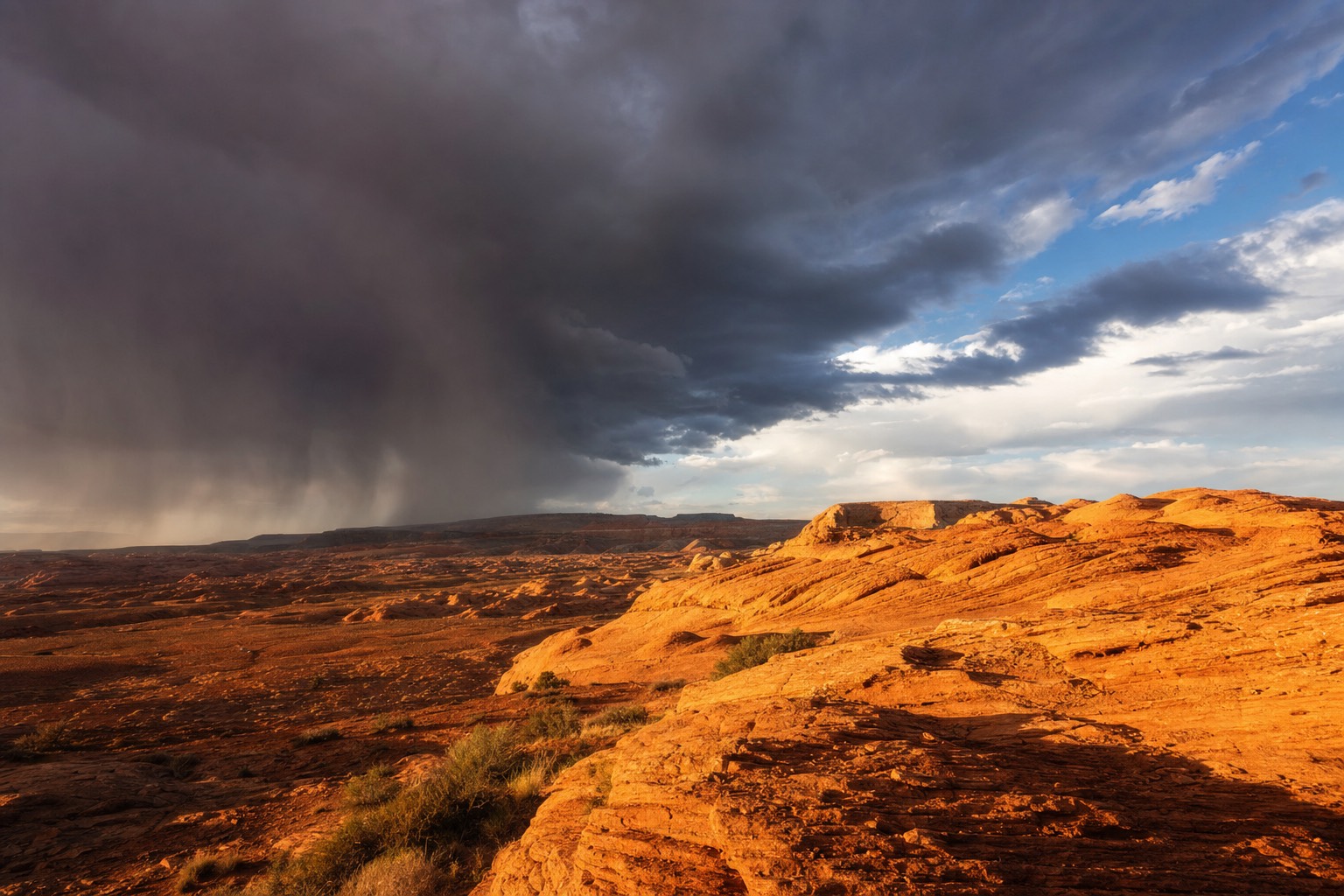
Desert weather is a liar, and I say that as someone who has guided on Navajo land through every season it can throw. The sky above your head tells you almost nothing. What matters is the sky thirty miles upstream, the wind direction at ten in the morning, and the month on the calendar. Visitors book a canyon walk thinking of weather as a comfort question. Out here it is a logistics question first, and this post walks through what each season actually does to your slot.
Quick take: summer means real heat and, from mid-June through September, monsoon storm cells that cancel walks. Spring brings wind and blowing sand. Winter mornings are cold with soft, even light and no beams. Rain far upstream cancels a tour; heat does not. If you are picking a month, that ranking lives in the best-time guide. This is about the conditions you will face once your date is set.
What does summer heat actually do to a canyon visit?
Summer around Page is genuinely hot, but heat alone has never been a cancellation trigger. The exposed walk to the canyon entrance and any waiting time are where it bites. Inside, the narrow walls shade you from direct sun, so the slot itself is the most tolerable part of a July afternoon.
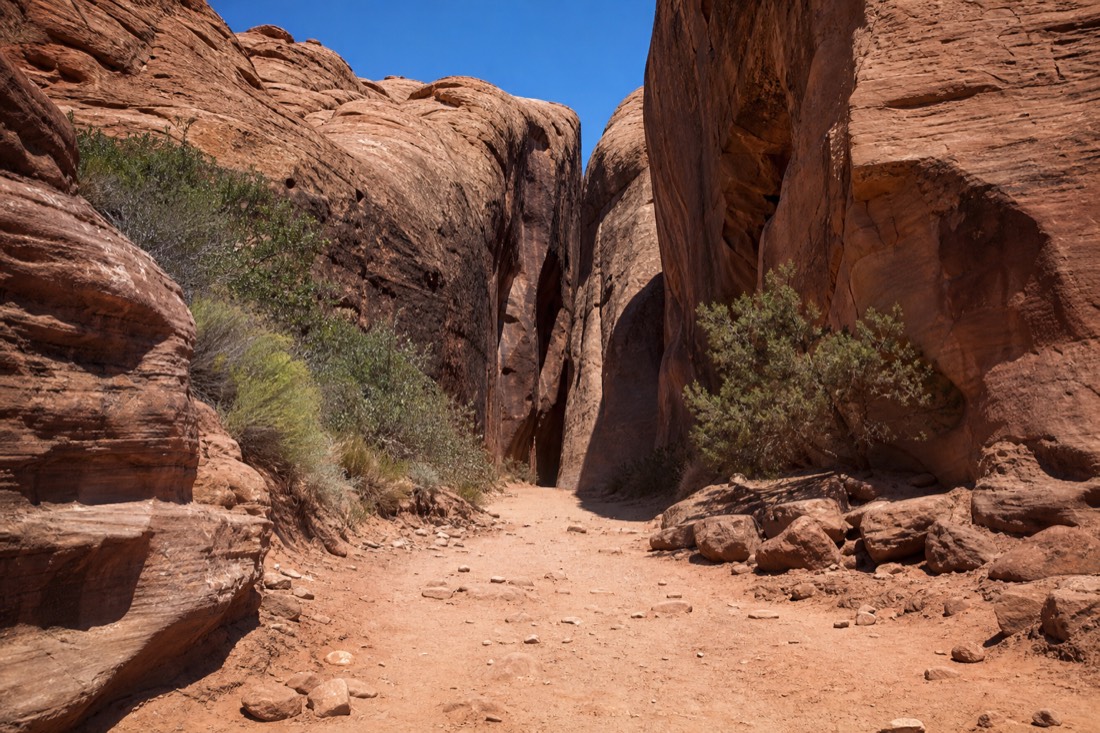
The pattern visitors report is consistent: the hard part of a summer slot is everything around the canyon, not the canyon. Parking lots, check-in lines, and the open approach have zero shade. Recent reviews describe midday departures in July as hot but manageable once the group drops between the walls, where the sun only reaches the floor as reflected glow or, in season, as a beam.
Here is how I brief people on the year, season by season.
| Season | Typical conditions | Cancellation risk | Light character |
|---|---|---|---|
| Summer (mid-Jun to Sep) | Hot, monsoon storm cells build afternoons | High during monsoon watches | Peak beams, midday |
| Spring (Mar to May) | Mild, windy, blowing sand days | Low, occasional wind-driven grit | Beams begin late March |
| Fall (Oct to Nov) | Warm days fading to cool, calm | Low, monsoon tapering by October | Beams end mid-October |
| Winter (Dec to Feb) | Cold mornings, short days | Low, rare storms | Soft, even, no beams |
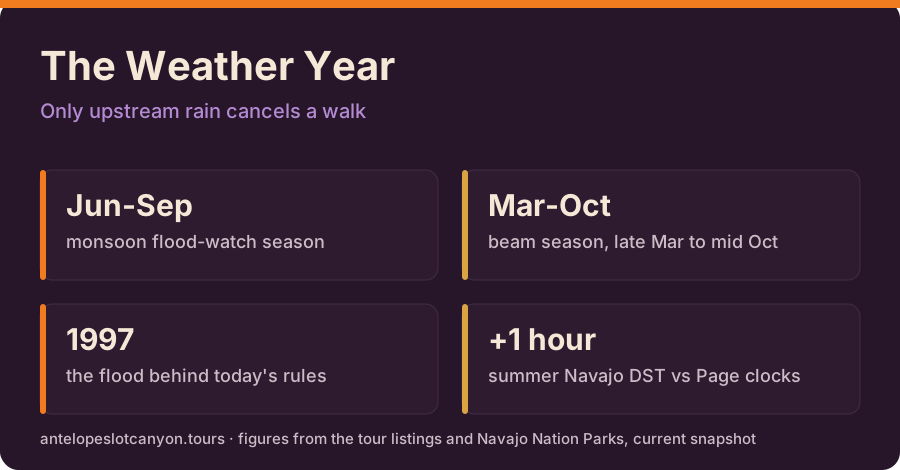
One summer trap has nothing to do with temperature. Page stays on Mountain Standard Time all year while the surrounding Navajo Nation observes daylight saving, so in summer there is a one-hour split between your hotel clock and some operator clocks. Confirm which time your slot uses when you book.
How does monsoon season change the odds of your walk running?
From mid-June through September, afternoon storm cells put every slot canyon under a live flood watch. Operators track National Weather Service alerts and cancel, sometimes mid-day, whenever rain threatens the drainage upstream. Refunds or rebooking are standard when the cancellation is theirs, and mornings are the safer bet.
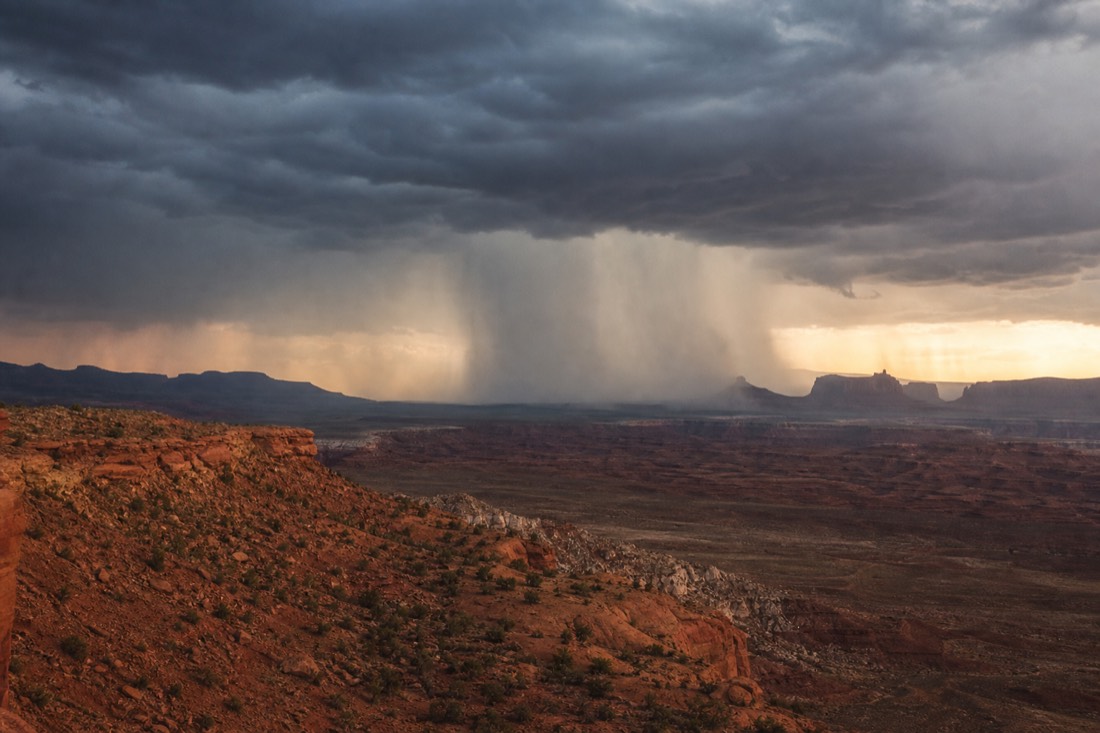
The reason is carved into local memory. A 1997 flash flood in Lower Antelope Canyon killed 11 people, and the guided-only, watch-the-radar culture that governs every walk today grew from that day. Ken's Tours, the family operation at Lower, publishes its own monsoon guidance each summer, and this season proved the point early: a flash flood warning in late June ordered people out of area slot canyons weeks before the traditional storm peak.
Storm cells build with the afternoon heat, which is why the first departures of the day clear the overnight flood check and run most reliably. I keep a full recovery plan for a cancelled day in the monsoon backup plan, because losing a slot in August is common enough to plan for rather than hope against.
What is spring like, with the wind and the sand?
Spring is the windy season. March through May brings mild temperatures and low flood risk, but strong afternoon winds pick up fine sand and pour it over the canyon rims. Visitors describe grit in hair, eyes, and camera gear on the gusty days. Walks almost always run; your lenses just earn their keep.
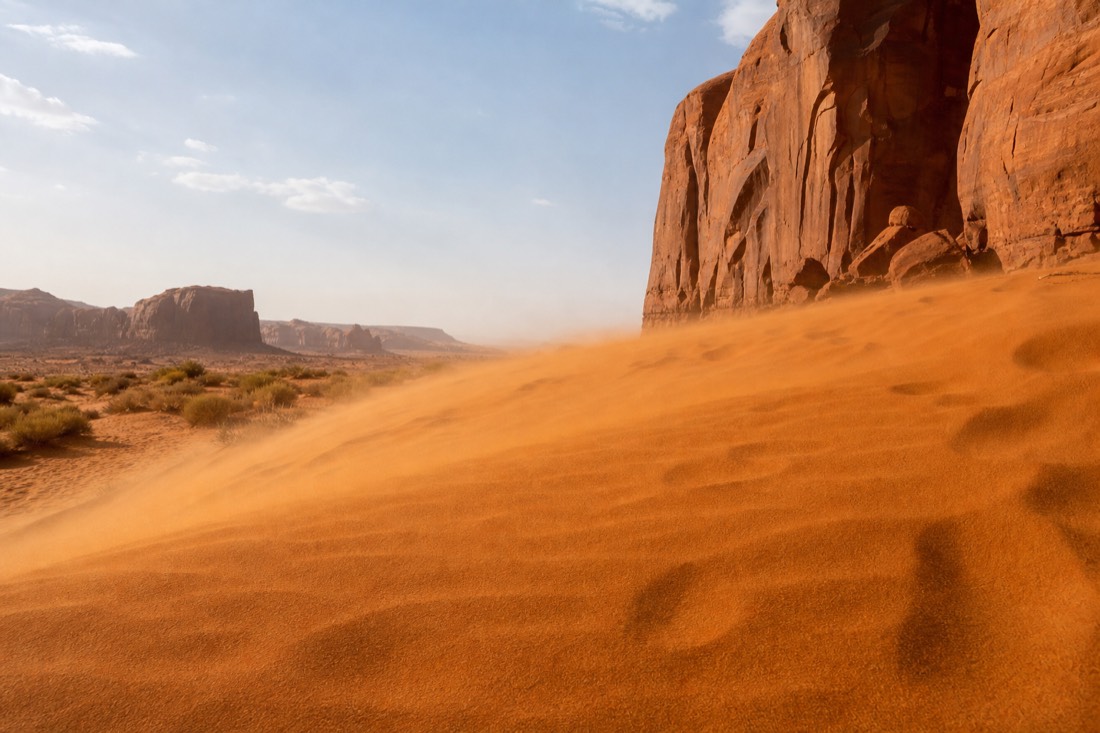
Wind does something in a slot canyon that surprises people: the canyon acts like a funnel, and sand streams off the rim edges above. On calm days that is nothing. On a gusty April afternoon, recent reviews describe steady falls of sand from the openings overhead, which photographs beautifully and feels less charming inside your collar.
The practical adjustments are small. A hat you can cinch, sunglasses, and a zip bag for the phone cover most of it, the same short kit that handles every other season here. Spring also opens beam season: the vertical shafts in the busiest section start appearing in late March and strengthen toward summer, so the wind trade comes with a light reward.
What do fall and winter mornings look like?
Fall is the calm season: monsoon fades through September, October runs warm and stable, and the last beams land mid-month. Winter swaps beams for soft, even light bouncing between the walls, with cold mornings that start near freezing and short days that compress the schedule. Cancellations become rare.
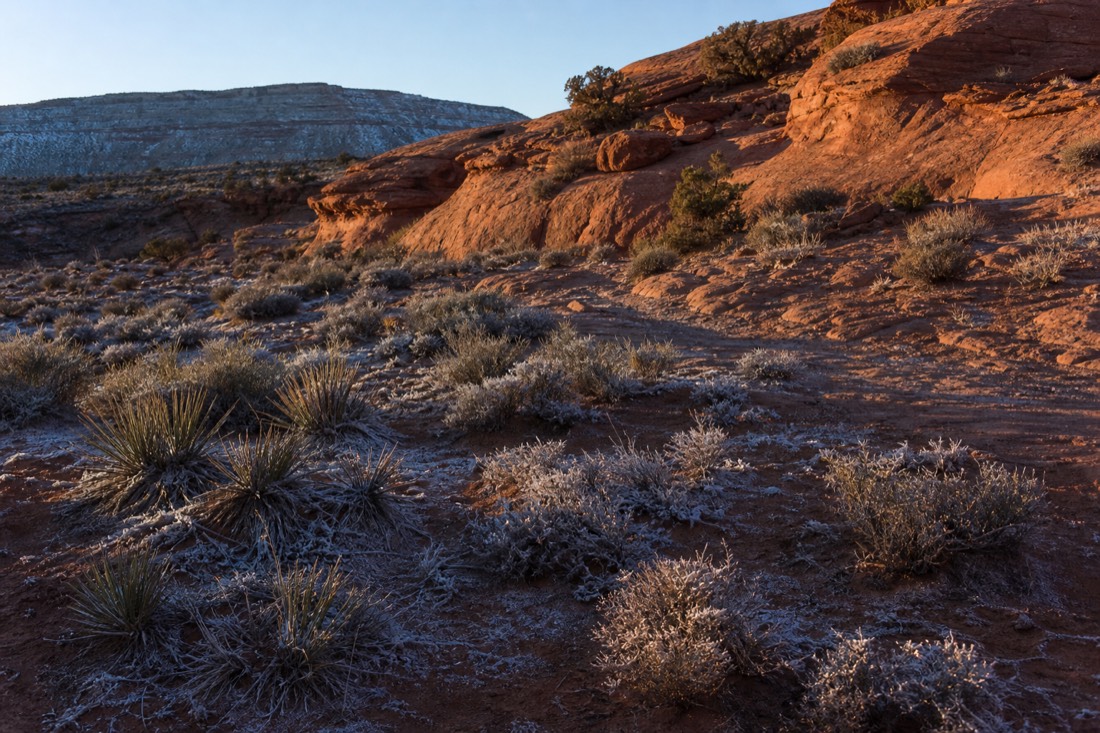
Photographers argue about winter, and it is a real argument. No beams from mid-October to mid-March, ever, because the sun never climbs high enough to drop a shaft to the floor. What you get instead is reflected color: light entering at a low angle and bouncing wall to wall until it glows. Plenty of visitors report preferring it, along with the thinner crowds.
Dress for the spread. A December morning near Page can sit around freezing while the afternoon feels like a mild hike, so layers you can shed beat one heavy coat. I go deeper on the season, including how the low sun changes each canyon section, in the winter post.
Which weather cancels a walk, and which does not?
Only flood risk cancels a slot canyon walk. Rain or storm cells anywhere in the drainage upstream will close the canyon even under a blue local sky. Heat, cold, wind, and overcast do not cancel tours; they just change the experience. The operator makes the call, not you, and not the view from town.
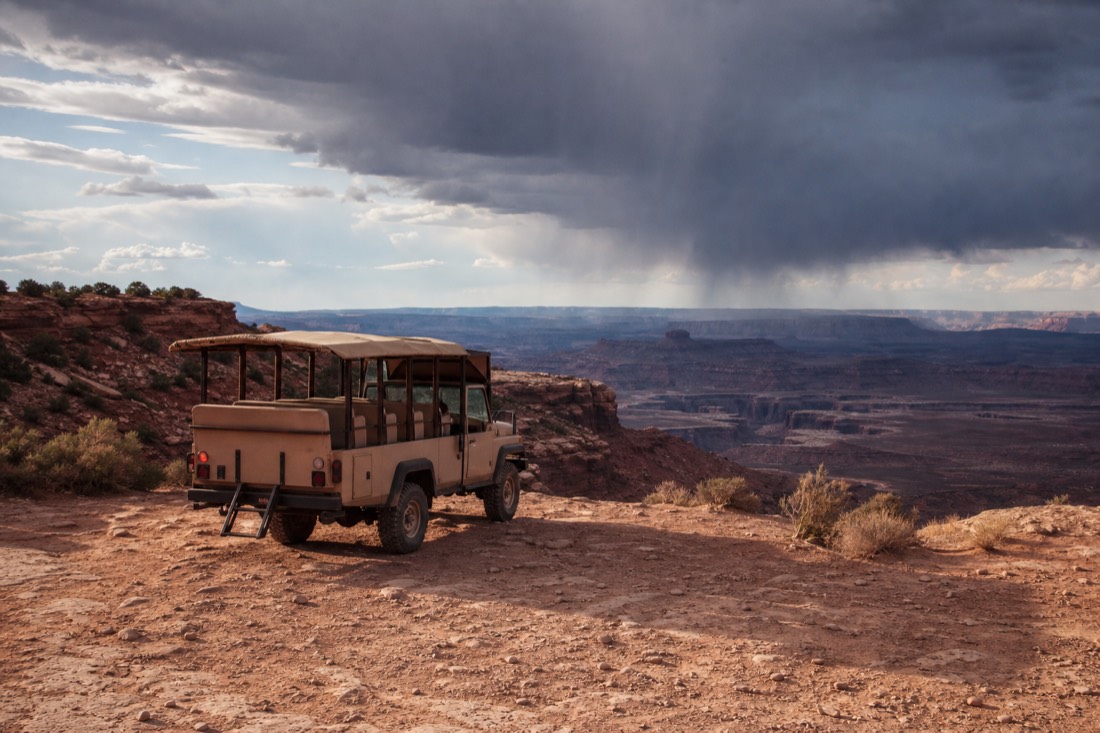
This grid is the whole logic, and it is worth internalizing before you burn energy watching the wrong forecast.
| Condition on your date | Walk runs? | Why |
|---|---|---|
| Rain or storms upstream in the drainage | No | Flash flood risk, canyon closes |
| NWS flood watch or warning for the area | No | Operators cancel against live alerts |
| Hot, sunny, 100°F afternoon | Yes | Heat is uncomfortable, not dangerous inside |
| Strong spring wind, blowing sand | Almost always | Grit, not risk |
| Overcast winter day | Yes | No beams, soft light instead |
| Cold morning near freezing | Yes | Layers solve it |
The upstream part is what trips people. The watershed feeding these slots stretches miles beyond anything you can see from the parking area, and the 1997 flood proved what that geometry can do.
What should you check in the 48 hours before your slot?
Four things: the National Weather Service forecast for flood watches, your listing's cancellation window in case you want to move first, which clock your operator runs on, and your own kit for the season. Ten minutes of checking covers essentially every weather problem this place can hand you.
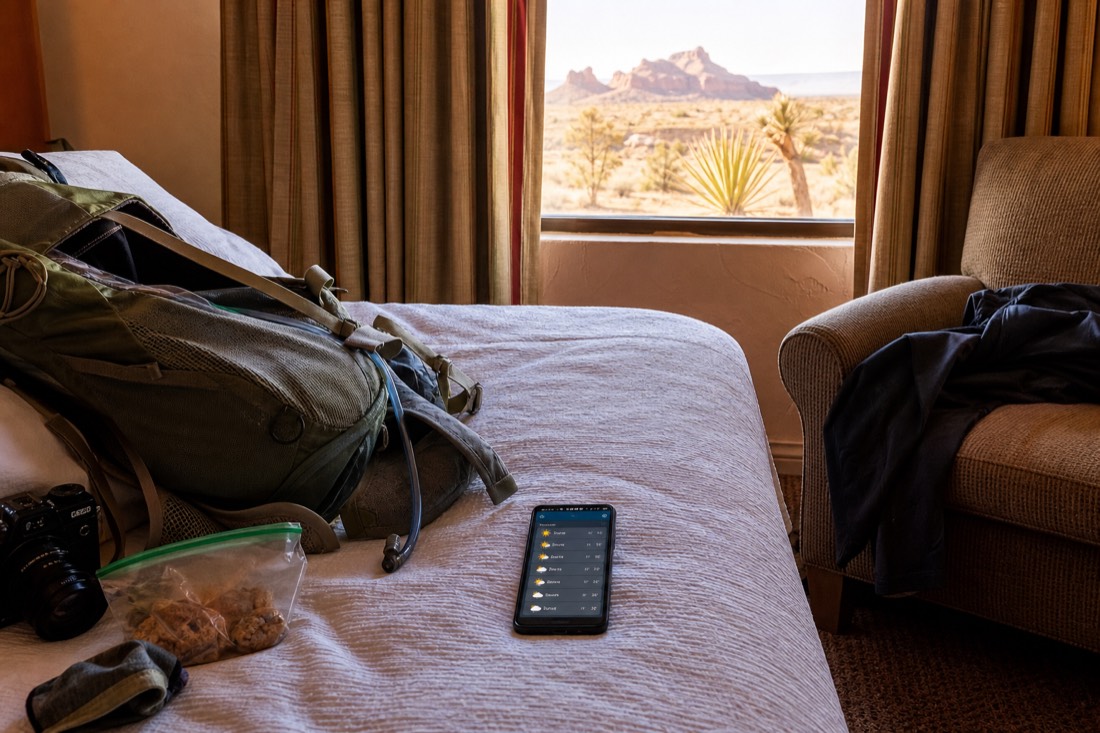
Run this list two days out and again the night before.
| Check | What you are looking for | Why it matters |
|---|---|---|
| NWS Page area forecast | Flood watches, storm timing | The only weather that cancels |
| Your booking's cancellation terms | The window to self-cancel or move | AACT on Viator: 24 hours; other options vary |
| Operator's clock | MST or daylight time in summer | The one-hour split causes missed check-ins |
| Season kit | Water and hat, or layers, or a sand-proof bag | Comfort inside is on you |
| Next-morning availability | Open early slots near your date | Your instant rebook if storms win |
The permitted operators, listed on the Navajo Nation Parks and Recreation roster, have watched this weather their whole lives, and the system reflects that. Trust the cancellation calls, book mornings in storm season, and let the season you chose shape the walk you get. Every one of them delivers a different canyon, and none of them is the wrong one.
Your next booking step
Lower Antelope with a Navajo guide
Have a travel date in mind? A timed walk among Lower’s sculpted walls, with entry and the Navajo permit included. Check the date before arranging the rest of this part of your trip.
General starting point — confirm the exact party and date
Select a date to load the Viator schedule. Availability and final price are confirmed on Viator.
Check dates for Lower Antelope with a Navajo guide
Ken’s Tours, Lower entrance; arrive 30 minutes early. Return to the same site. Steel stairs and narrow passages; no bags or tripods. Not recommended during pregnancy or with spinal/cardiovascular conditions. Customer cancellation: full refund at least 24 hours before departure; reconfirm at checkout.
Compare routes, adjust your plan & budget
Summer heat, monsoon storm cells, spring wind, winter cold mornings: what the weather near Page actually does to a slot canyon walk, what cancels a tour, and what to check before your slot. These are different experiences, not interchangeable admission tickets. All listed guiding is in English.
A timed walk among Lower’s sculpted walls, with entry and the Navajo permit included. 60 minutes; English; from Page. Ken’s Tours, Lower entrance; arrive 30 minutes early. Return to the same site. Steel stairs and narrow passages; no bags or tripods. Not recommended during pregnancy or with spinal/cardiovascular conditions. Customer cancellation: full refund at least 24 hours before departure; reconfirm at checkout.
Upper’s beam corridor with a Navajo guide; fees and taxes included. 80 minutes; English; from Page. Adventurous Antelope Canyon Tours, Highway 98; arrive 30 minutes early. Return to the same base. Ages 8+; moderate fitness. Sandy walking and the outdoor stair/hill exit; no guaranteed beams. Not recommended during pregnancy or with spinal/cardiovascular conditions. Customer cancellation: full refund at least 24 hours before departure; reconfirm at checkout.
Two Canyon X sections on Taadidiin’s guided hiking route. Choose the hiking option. 90 minutes; English; from Page. Taadidiin Tours, Highway 98; arrive 30 minutes early, using Arizona/Phoenix time. Return to the same site. Steep access trail. Permit is listed as included but the API’s old fee amount conflicts with current operator information; confirm the final total. Guide service fee extra. No tripod on hiking option. Nonrefundable for customer cancellation on Viator; read the exact weather-cancellation terms.
Affiliate links: we may earn a commission at no extra cost to you. Schedule dates are not confirmed seats.