What to Wear and Bring to Antelope Canyon (and What Gets Turned Away)
Closed-toe shoes, layers, water, and almost nothing else. What the gear rules actually say, what gets refused at the canyon, the sand reality, and the time-zone trap that makes people miss check-in.
 By Daniel Begay, Navajo guide & Southwest canyon specialist
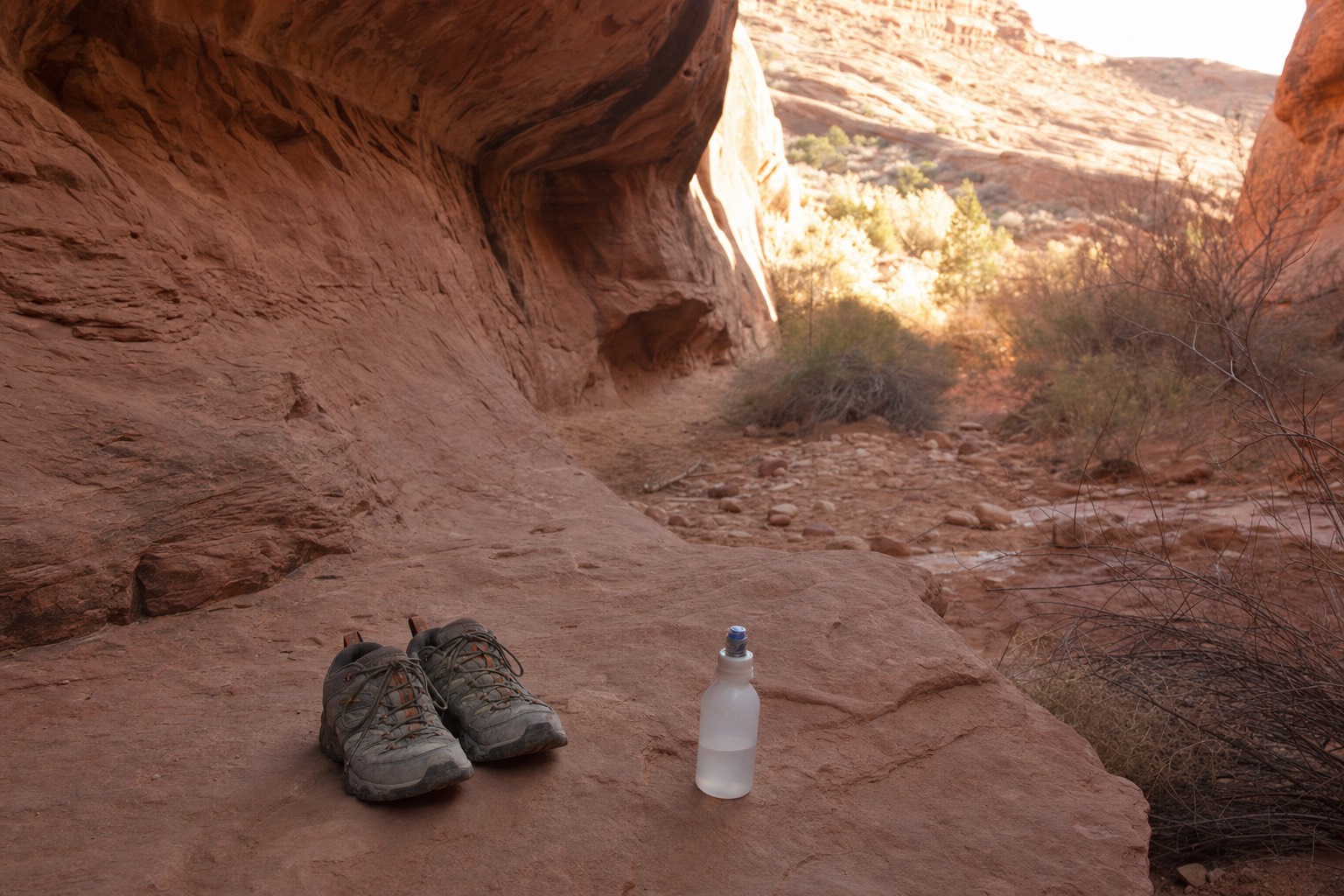
Sandstone country dresses you whether you agree to it or not. I have spent my working life guiding on Navajo land, and the fine red dust that lives in every wash out here ends up in boot seams, phone speakers, and jacket pockets by lunchtime. Antelope Canyon is the same rock and the same sand, concentrated into a corridor a few feet wide. Packing for it is less about bringing the right things and more about leaving the wrong things in the car.
Quick take: wear closed-toe shoes with grip, dress in layers you can shed, and carry water. Leave tripods, monopods, and selfie sticks behind, they have been banned since 2019. Bag policies vary by operator, so check your operator's current rules before you arrive, and build in an hour of time-zone buffer.
What shoes work best in a slot canyon?
Closed-toe shoes with a grippy sole, full stop. The canyon floor is deep, soft sand that swallows sandals and flicks grit onto your feet with every step, and Lower Antelope adds steel ladders and stairways that you want real tread on. Trail runners or light hikers are the sweet spot.
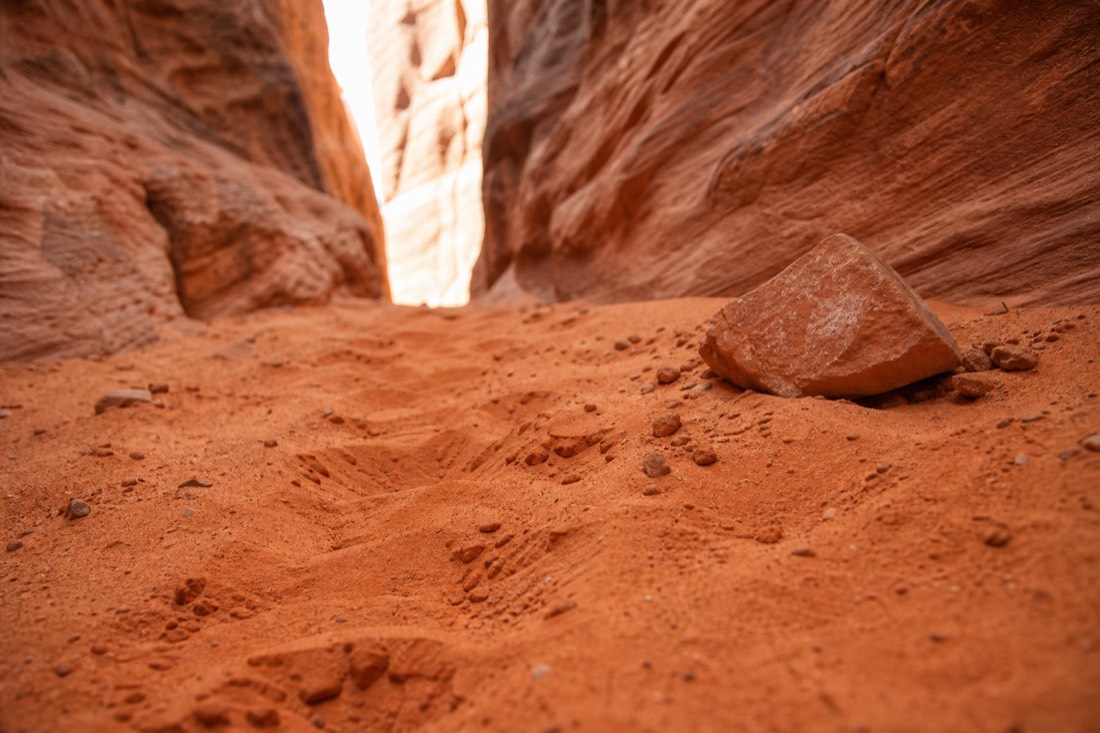
You do not need boots. These walks are graded as easy, roughly an hour of moving through sand and, at Lower, up and down ladder sections. What you need is a shoe that closes around the foot. Open sandals fill with sand immediately, and flip-flops are genuinely risky on ladder rungs. The difference between Upper's flat wash floor and Lower's climb-down entrance is real, but the footwear answer is identical for both.
One more note from years of desert guiding: shake your shoes out before you get back in the car, not after. Your rental's floor mats will thank you.
What should you wear for the desert seasons?
Layers that come off. Summer means hard sun on the walk in and cooler air inside the shaded slot; winter reverses it with cold mornings that warm by midday. A breathable base layer, a light jacket you can tie off, and a hat for the open stretches cover almost every month.
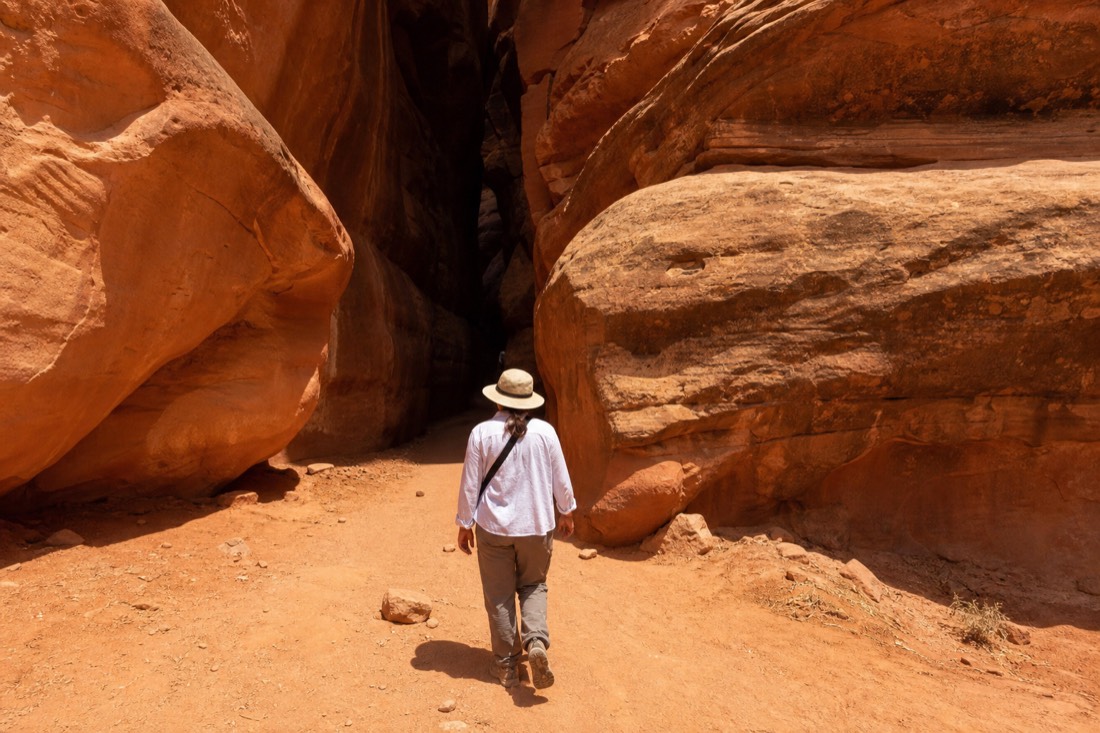
The canyon itself is shade. The approach is not, and neither is the wait at check-in. Here is the seasonal logic I give people, matched to how the canyon calendar actually behaves.
| Season | Conditions to dress for | What to wear |
|---|---|---|
| Late March to May | Warming sun, mild mornings, beam season starting | Light layers, sun hat, sunglasses for the approach |
| June to September | Intense heat outside, monsoon storms possible | Breathable shirt, hat, water; a packable shell in storm months |
| October | Beam window closing, pleasant days | Light jacket over a tee, long pants |
| November to mid-March | Cold mornings, no beams, thin crowds | Warm jacket, layers you can shed as the day heats |
Monsoon season deserves its own paragraph. From mid-June through September, storms can cancel walks outright, and wind can drive sand and dust even on dry days. If you are traveling in those months, read the monsoon backup plan before you lock your dates, and treat a light shell as part of the kit.
What gets turned away at the canyon?
Tripods, monopods, and selfie sticks are banned across the canyon, a rule in force since 2019, so photography is handheld only. Drones and alcohol are prohibited on Navajo Nation land. Bag policies are set by each operator and vary, so check your operator's current rules before you show up with a daypack.
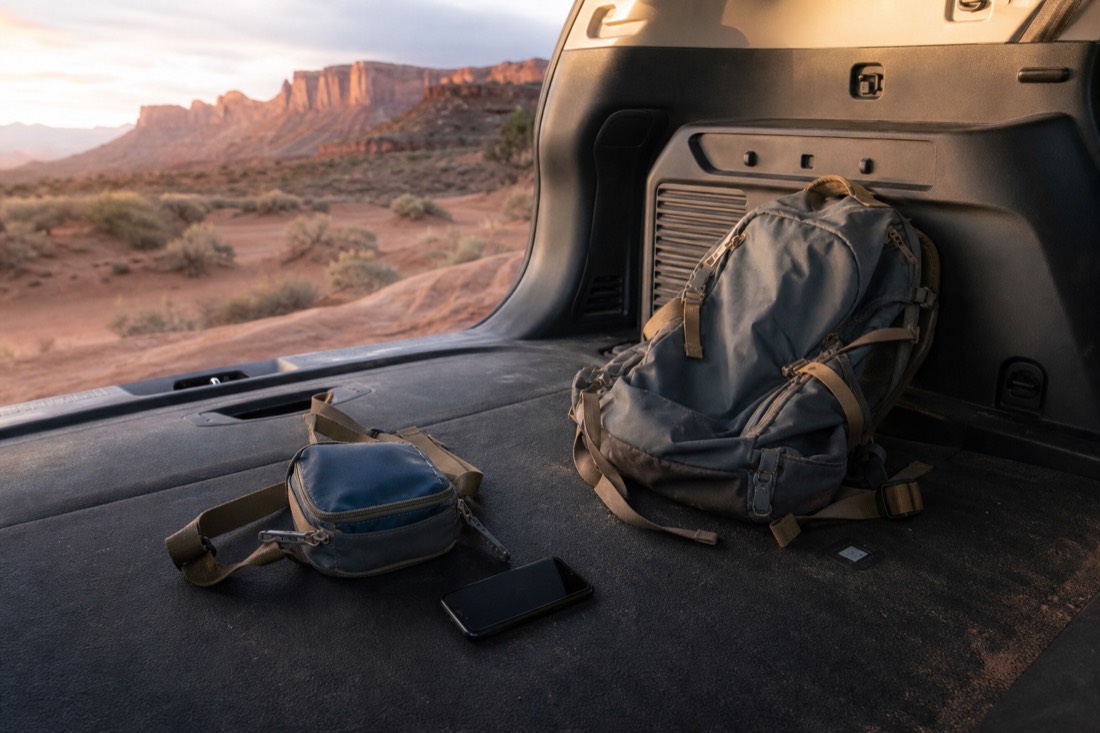
I want to be precise here, because packing lists on the internet invent rules in both directions. This is what the sourced picture looks like.
| Item | Status | Basis |
|---|---|---|
| Tripod, monopod, selfie stick | Banned canyon-wide | Rule in place since 2019, handheld shooting only |
| Drone | Prohibited | Navajo Nation land rules |
| Alcohol | Prohibited | Navajo Nation land rules |
| Phone and handheld camera | Allowed | Standard on every current walk |
| Water | Bring it | Desert conditions, guides encourage hydration |
| Bags and backpacks | Varies by operator | Check your operator's current rules before arrival |
The Navajo Nation Parks and Recreation rules cover the land-wide prohibitions, and every visitor is on tribal land as a guest, a point the state's own guide to visiting the canyon respectfully makes well. On bags, I am deliberately not printing a size limit, because operators set and change their own policies. The safe play is a phone, water, and pockets. If you need more than that, confirm with the company you booked.
This is also where booking through a major platform helps, since the listing spells out inclusions and meeting rules in one place. If you have not picked a walk yet, start with the Lower Antelope Canyon walk and check live availability and prices on GetYourGuide, where it holds a 4.7 rating across 8,861 reviews.
Will sand really get into everything?
Yes. The canyon is carved from soft sandstone that sheds fine grains constantly, wind pushes more over the rims, and the floor you walk on is loose sand. Expect it in shoes, pockets, and camera crevices, and plan around it rather than fighting it.
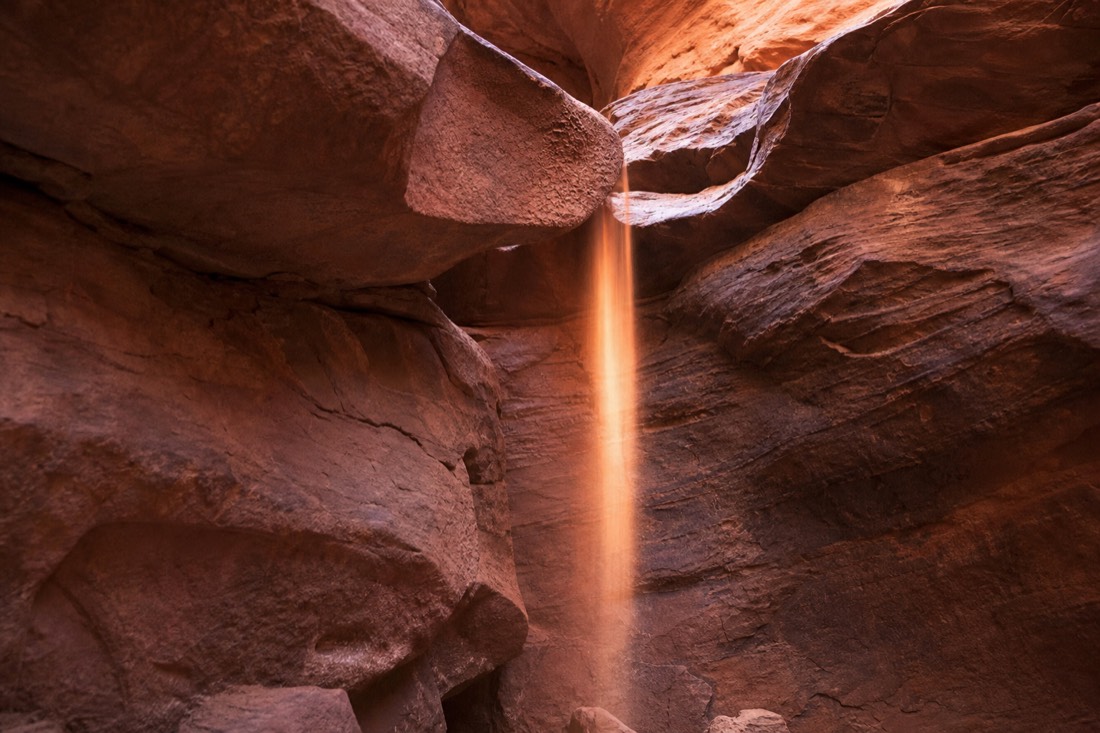
I will not dress this up, because it is my favorite honest fact about slot canyons. The same geology that makes the walls glow makes them shed. Sand sifts down from above, especially when wind works the rim, and the region's dry storms can push dust through the whole area. On my home ground in Monument Valley we joke that red dust is the souvenir nobody pays for.
Practical consequences: keep your phone in a zipped pocket between shots, do not change camera lenses inside the canyon, and skip the white sneakers you care about. Parents should read the kids guide for the toddler-specific version of this problem. None of it ruins the walk. It is simply the price of standing inside a rock that is still being carved.
How early should you arrive, and what time is it in Page anyway?
Arrive with at least an hour of buffer, because the region runs two clocks. Page and most of Arizona stay on Mountain Standard Time all year, while the surrounding Navajo Nation observes daylight saving. In summer that is a one-hour difference, and it causes missed check-ins constantly.
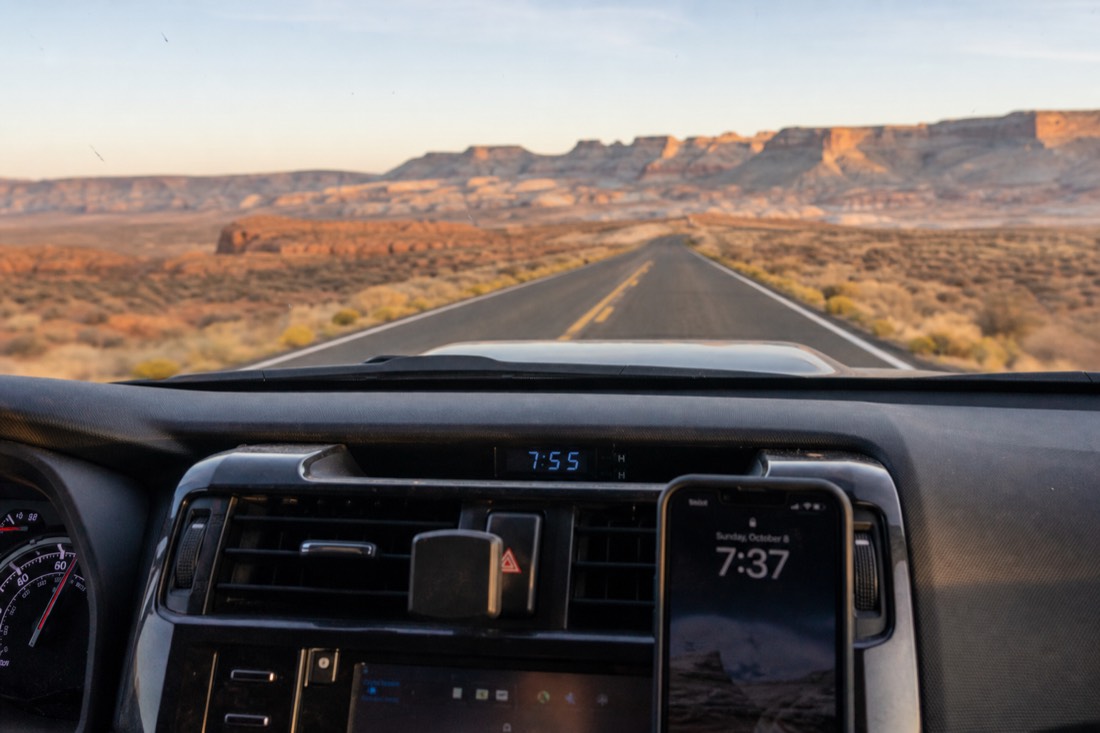
This is the single most avoidable way to lose a booking. Your phone can silently hop between time zones as you drive, because cell towers on Navajo land and in Page disagree in summer. Operators tell you which clock your check-in uses; read that line on your confirmation twice, and confirm the time with the operator if there is any doubt.
| If you are coming from | The trap | The fix |
|---|---|---|
| Utah or the Navajo Nation in summer | Your clock runs an hour ahead of Page | Set the phone to Page time manually the night before |
| Las Vegas | Same clock as Page in summer, long drive | Leave margin for the roughly 4.5 hour run |
| Phoenix or Sedona | Same time zone, no trap | Buffer for parking and check-in anyway |
Check-in cutoffs are firm because groups launch on a fixed rhythm all day. Arriving thirty minutes early costs you nothing but a little shade-sitting. Arriving five minutes late can cost the whole tour.
What does the final packing list look like?
Closed-toe shoes, water, sun protection, a shedable layer, your phone, and your booking confirmation with the right clock confirmed. That is the whole list. Everything else either stays in the car or depends on your operator's bag policy.
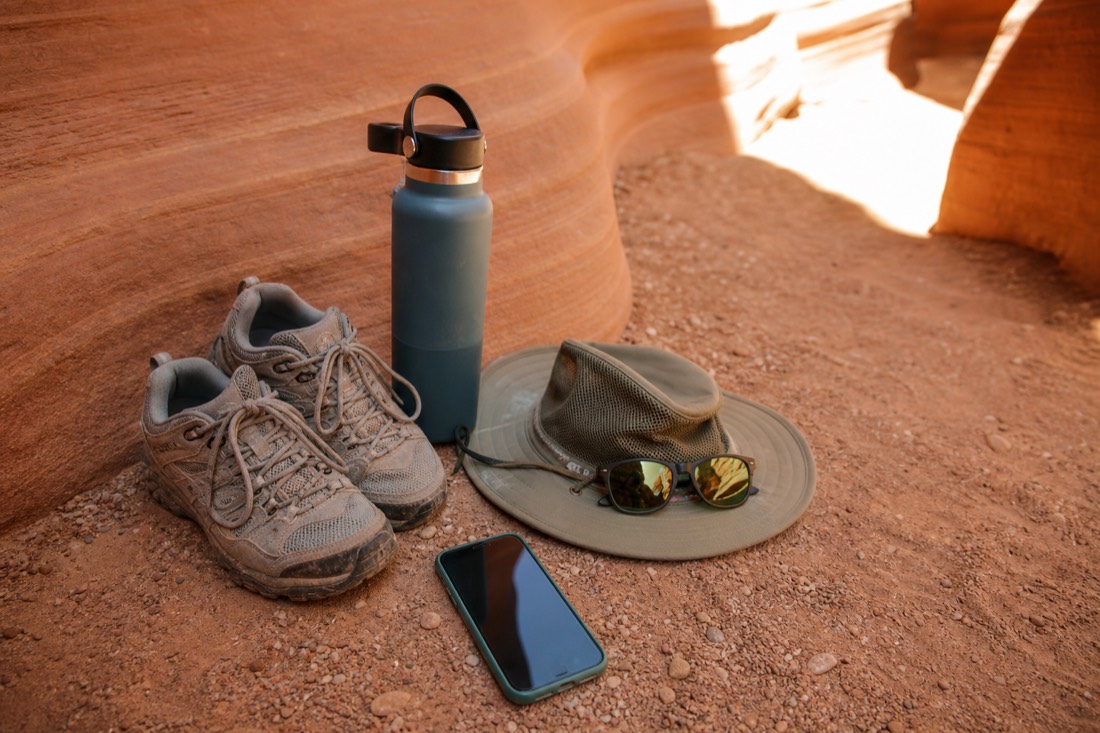
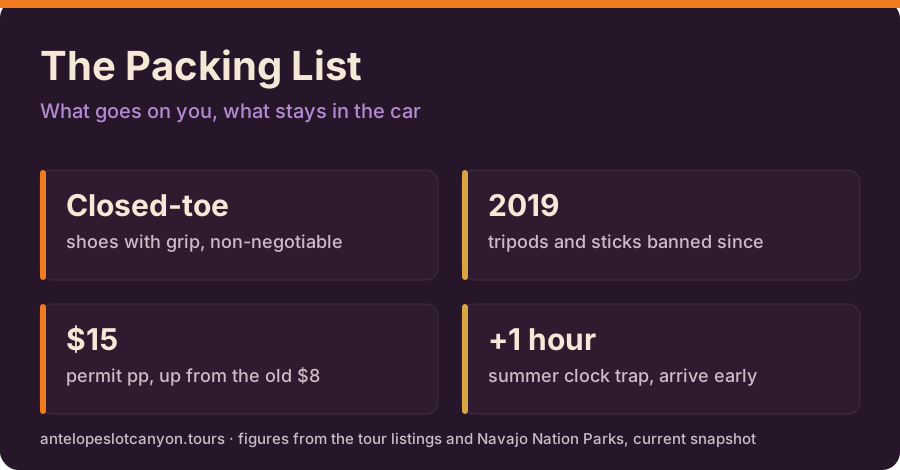
My call, after watching a lot of travelers gear up for desert walks far harder than this one: people overpack for Antelope Canyon and underprepare on the two things that matter, footwear and the clock. Get those right, drink your water, and the canyon asks nothing else of you. If your camera ambitions go beyond a phone in a zipped pocket, the photography guide explains what the handheld-only rules actually leave on the table, which is more than most people expect.
Your next booking step
Lower Antelope with a Navajo guide
Have a travel date in mind? A timed walk among Lower’s sculpted walls, with entry and the Navajo permit included. Check the date before arranging the rest of this part of your trip.
General starting point — confirm the exact party and date
Select a date to load the Viator schedule. Availability and final price are confirmed on Viator.
Check dates for Lower Antelope with a Navajo guide
Ken’s Tours, Lower entrance; arrive 30 minutes early. Return to the same site. Steel stairs and narrow passages; no bags or tripods. Not recommended during pregnancy or with spinal/cardiovascular conditions. Customer cancellation: full refund at least 24 hours before departure; reconfirm at checkout.
Compare routes, adjust your plan & budget
Closed-toe shoes, layers, water, and almost nothing else. What the gear rules actually say, what gets refused at the canyon, the sand reality, and the time-zone trap that makes people miss check-in. These are different experiences, not interchangeable admission tickets. All listed guiding is in English.
A timed walk among Lower’s sculpted walls, with entry and the Navajo permit included. 60 minutes; English; from Page. Ken’s Tours, Lower entrance; arrive 30 minutes early. Return to the same site. Steel stairs and narrow passages; no bags or tripods. Not recommended during pregnancy or with spinal/cardiovascular conditions. Customer cancellation: full refund at least 24 hours before departure; reconfirm at checkout.
Upper’s beam corridor with a Navajo guide; fees and taxes included. 80 minutes; English; from Page. Adventurous Antelope Canyon Tours, Highway 98; arrive 30 minutes early. Return to the same base. Ages 8+; moderate fitness. Sandy walking and the outdoor stair/hill exit; no guaranteed beams. Not recommended during pregnancy or with spinal/cardiovascular conditions. Customer cancellation: full refund at least 24 hours before departure; reconfirm at checkout.
Two Canyon X sections on Taadidiin’s guided hiking route. Choose the hiking option. 90 minutes; English; from Page. Taadidiin Tours, Highway 98; arrive 30 minutes early, using Arizona/Phoenix time. Return to the same site. Steep access trail. Permit is listed as included but the API’s old fee amount conflicts with current operator information; confirm the final total. Guide service fee extra. No tripod on hiking option. Nonrefundable for customer cancellation on Viator; read the exact weather-cancellation terms.
Affiliate links: we may earn a commission at no extra cost to you. Schedule dates are not confirmed seats.